The all-seeing Mesopotamian sun god who handed King Hammurabi his law code, now blind to the worshippers who no longer look up.
Born
3000 BCE
Died
100 CE
Lived
3,100 years
Dead for
1,926 yrs
Cause of death
Forgotten
Replaced by
Christianity and Islam in the later Near East
The Obituary
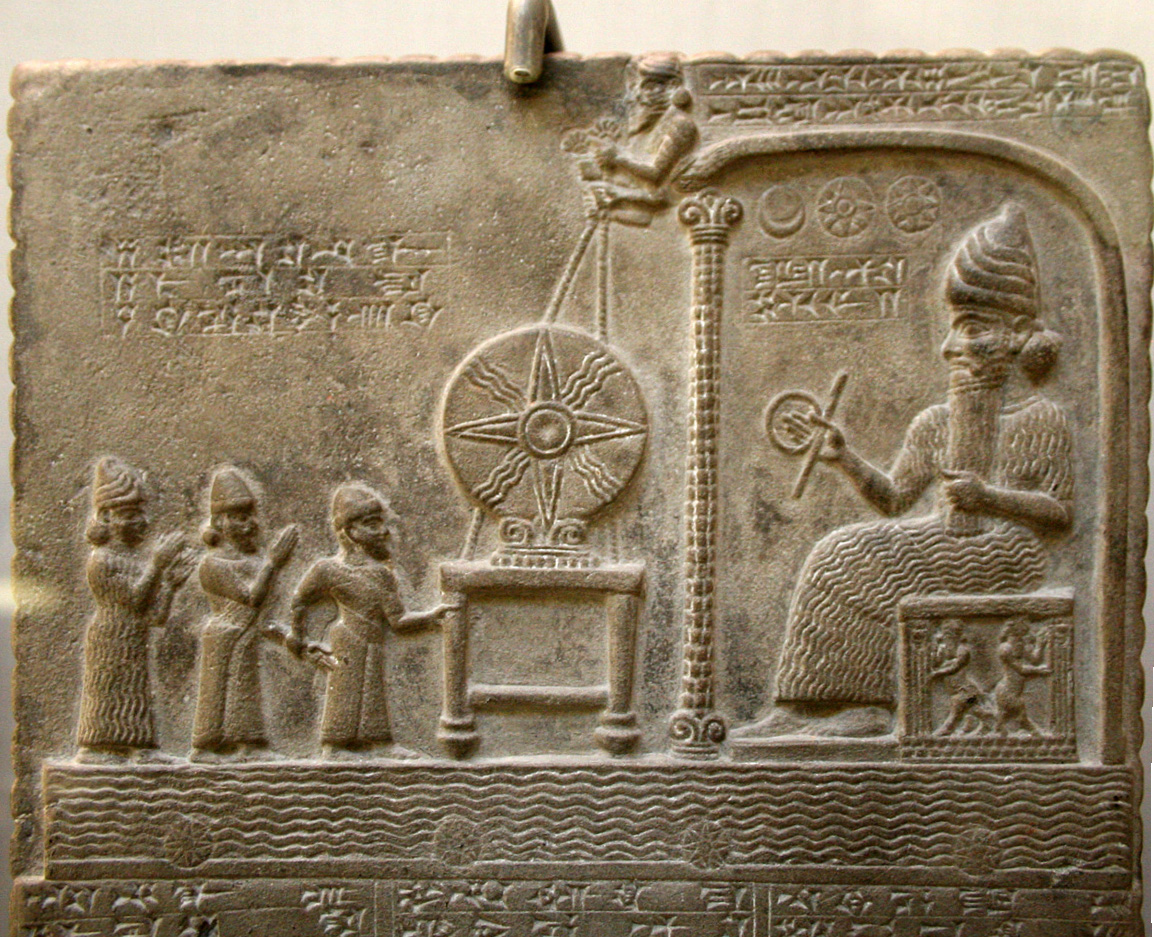
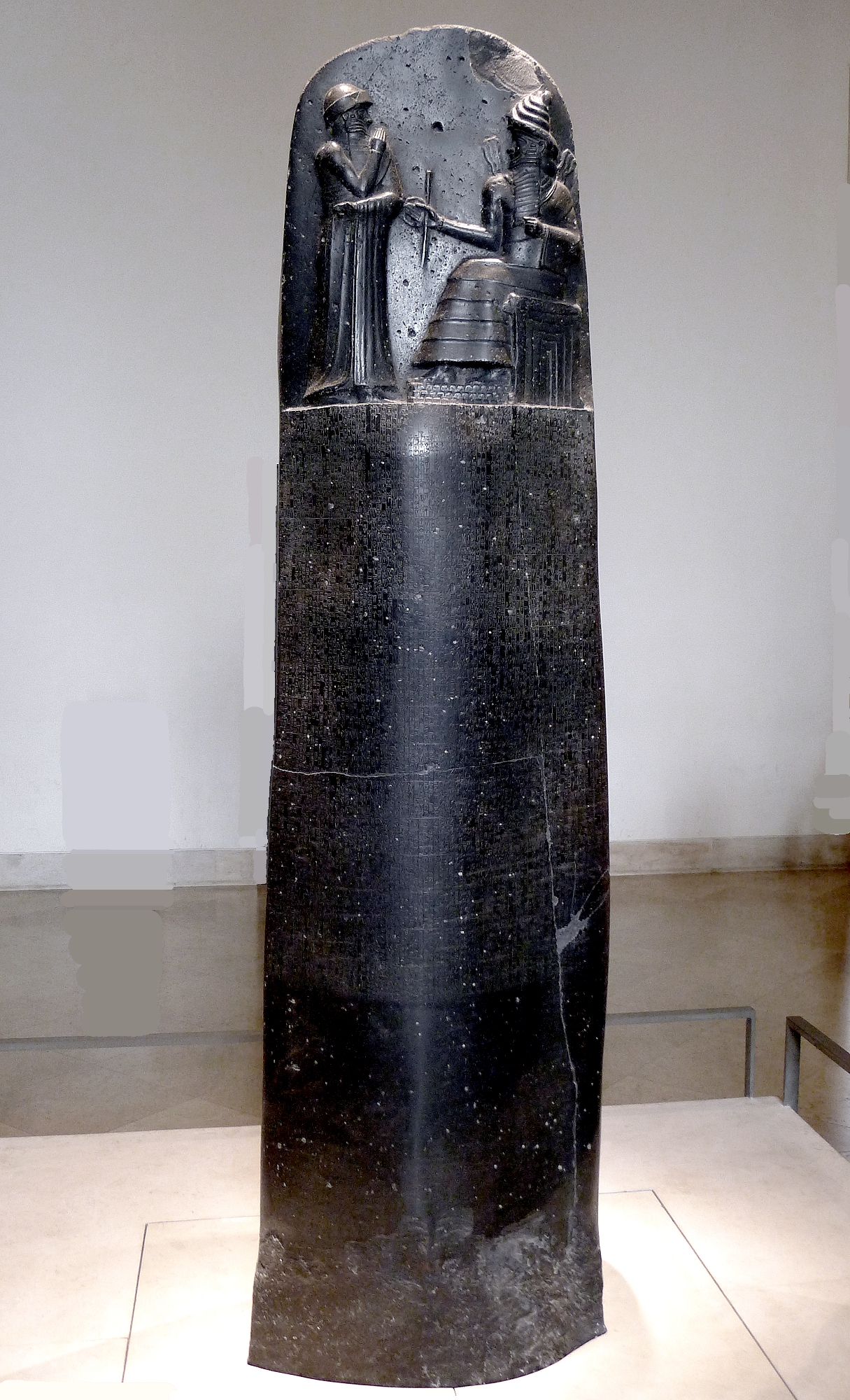
Shamash, called Utu by the Sumerians and son of the moon god Sin, was the Mesopotamian sun god and supreme arbiter of justice, truth and divination, worshipped chiefly at Sippar and Larsa. Crossing the heavens daily, he was thought to witness every human act, making him the divine judge and guarantor of oaths; on the Code of Hammurabi stele he hands the Babylonian king the emblems of justice. Venerated for nearly three thousand years across Mesopotamia, his cult dwindled under the empires that succeeded Babylon and ceased in the early centuries CE. The all-seeing judge was at last forgotten by those he once watched.
Worth remembering
Crossing the sky each day, he saw all human deeds and so became the divine judge of right and wrong and the patron of oaths and law.
On the famous stele of Hammurabi, Shamash is shown enthroned, handing the symbols of kingship and justice to the Babylonian king.
Gallery
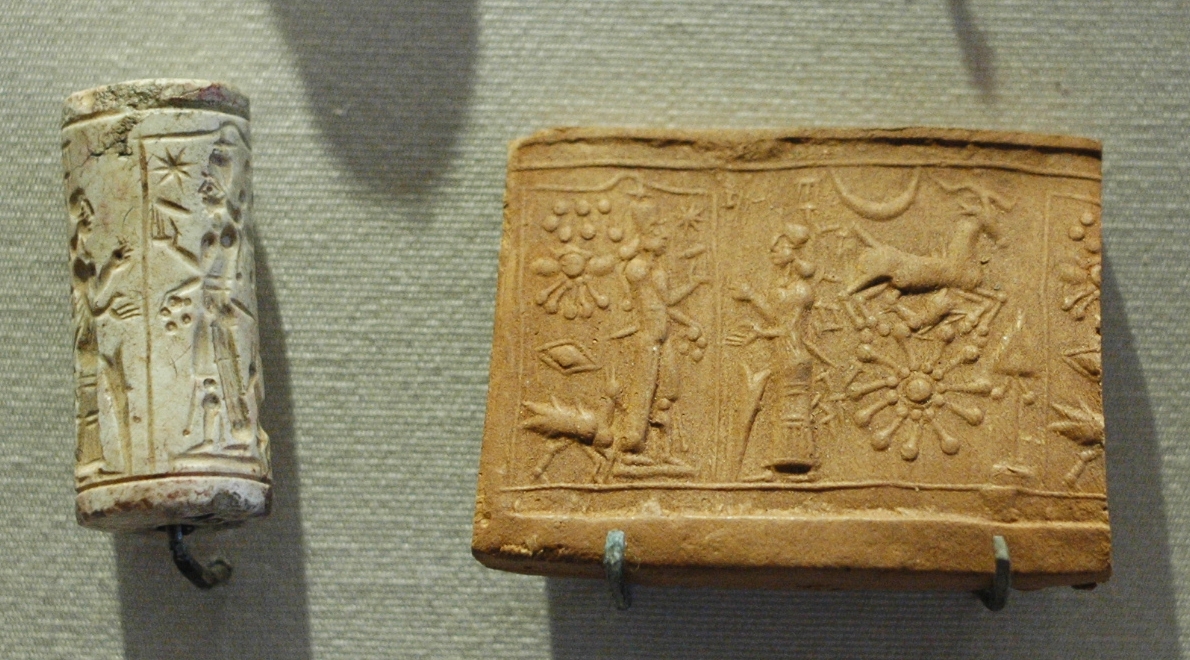
Upper relief of the Code of Hammurabi stele showing the sun god Shamash giving the laws to King Hammurabi, LouvreMbzt · CC BY 3.0Limestone cylinder seal depicting the worship of the sun god Shamash, Mesopotamia, LouvrePublic domain
Sources
Utu (Akkadian Shamash) was the Mesopotamian sun god and god of justice, truth and divination, with cult centers at Sippar and Larsa. Wikipedia
Shamash is depicted handing the laws to King Hammurabi at the top of the Code of Hammurabi stele. World History Encyclopedia
Šamaš (Sumerian Utu) is the all-seeing sun god who emerged from his underground chamber at sunrise to cross the sky, becoming the god of truth, judgements, and justice; he also played an essential role in extispicy (sacrificial divination), through which kings received divine answers by reading the liver of a sacrificed sheep Oracc Ancient Mesopotamian Gods and Goddesses (University of Pennsylvania)
Shamash, son of Sin the moon god, was the god of justice and equity, depicted seated on a throne holding symbols of justice and righteousness; his chief cult centres were at Larsa in Sumer and Sippar in Akkad, and the Babylonian king Hammurabi was said to have received his law code from Shamash Encyclopaedia Britannica
A graveyard tradition: leave a stone to show you came, and remembered.
Buried nearby — by shared fate or a neighbouring lifespan.