Osama Shukir Muhammed Amin FRCP(Glasg) · CC BY-SA 4.0
Fallen Gods
Anu
An
3000 BCE100 CE
The remote sky-father worshipped at Uruk, at the very top of heaven, so far above that the prayers eventually stopped reaching him at all.
Born
3000 BCE
Died
100 CE
Lived
3,100 years
Dead for
1,926 yrs
Cause of death
Forgotten
Replaced by
Christianity and Islam in the later Near East
The Obituary
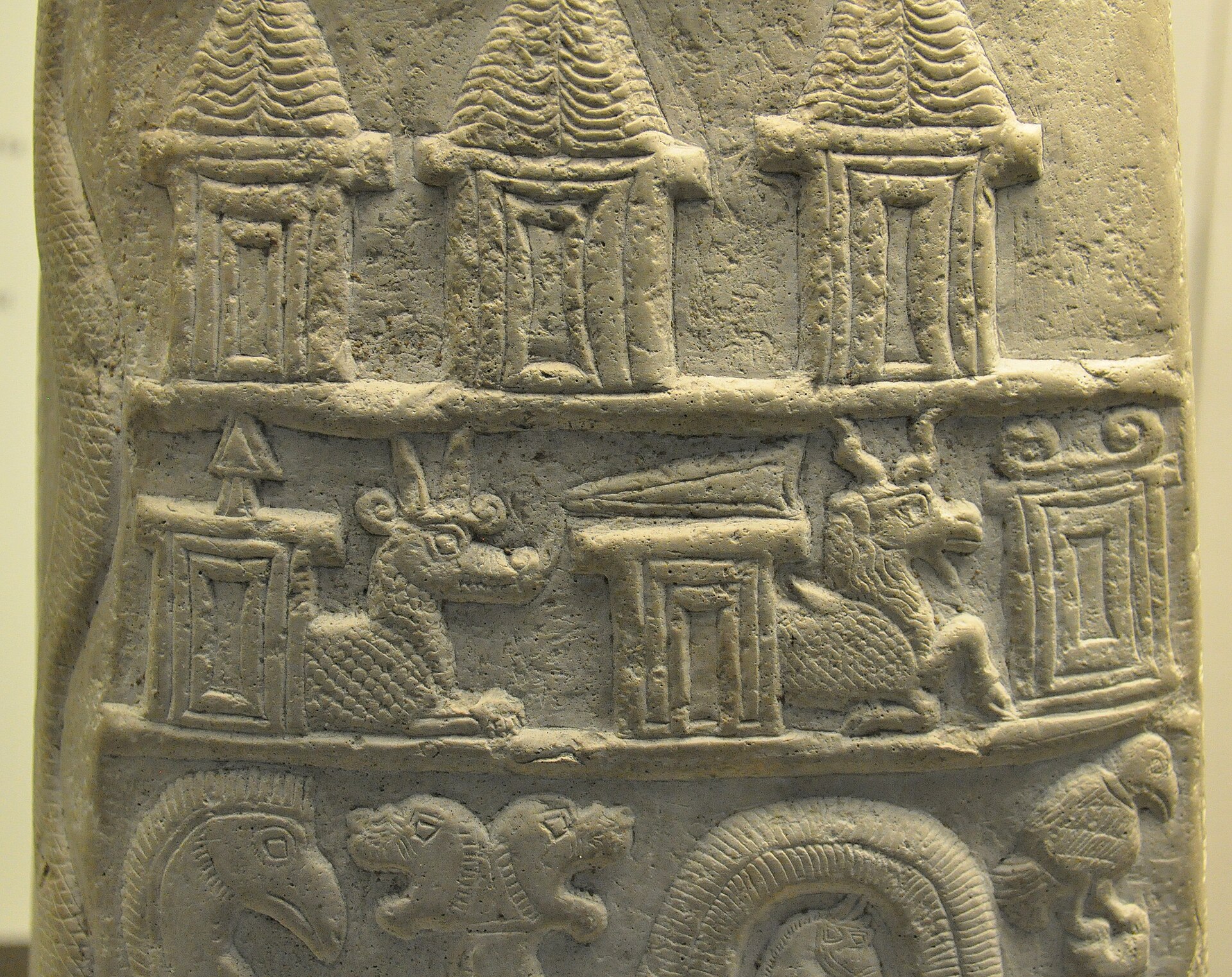
Anu, called An by the Sumerians, was the Mesopotamian sky god and “father of the gods” who sat at the summit of the divine hierarchy as the ultimate source of authority from which kingship descended, forming with Enlil and Ea (Enki) the triad of highest Mesopotamian deities. His chief seat of worship was Uruk. Yet for all his rank he was a remote figure, so distant that day-to-day rule over gods and men was delegated to Enlil and later Marduk. Honored across Mesopotamia for nearly three thousand years, his cult dwindled under the later empires and ended in the early centuries CE. The father of the sky faded out of all worship.
Worth remembering
He dwelt in the highest heaven and was the ultimate source of authority, the god from whom kingship and the very right to rule descended.
Though nominally supreme, he grew so remote that active rule was delegated to Enlil and later Marduk, while Anu receded into the distant sky.
Gallery
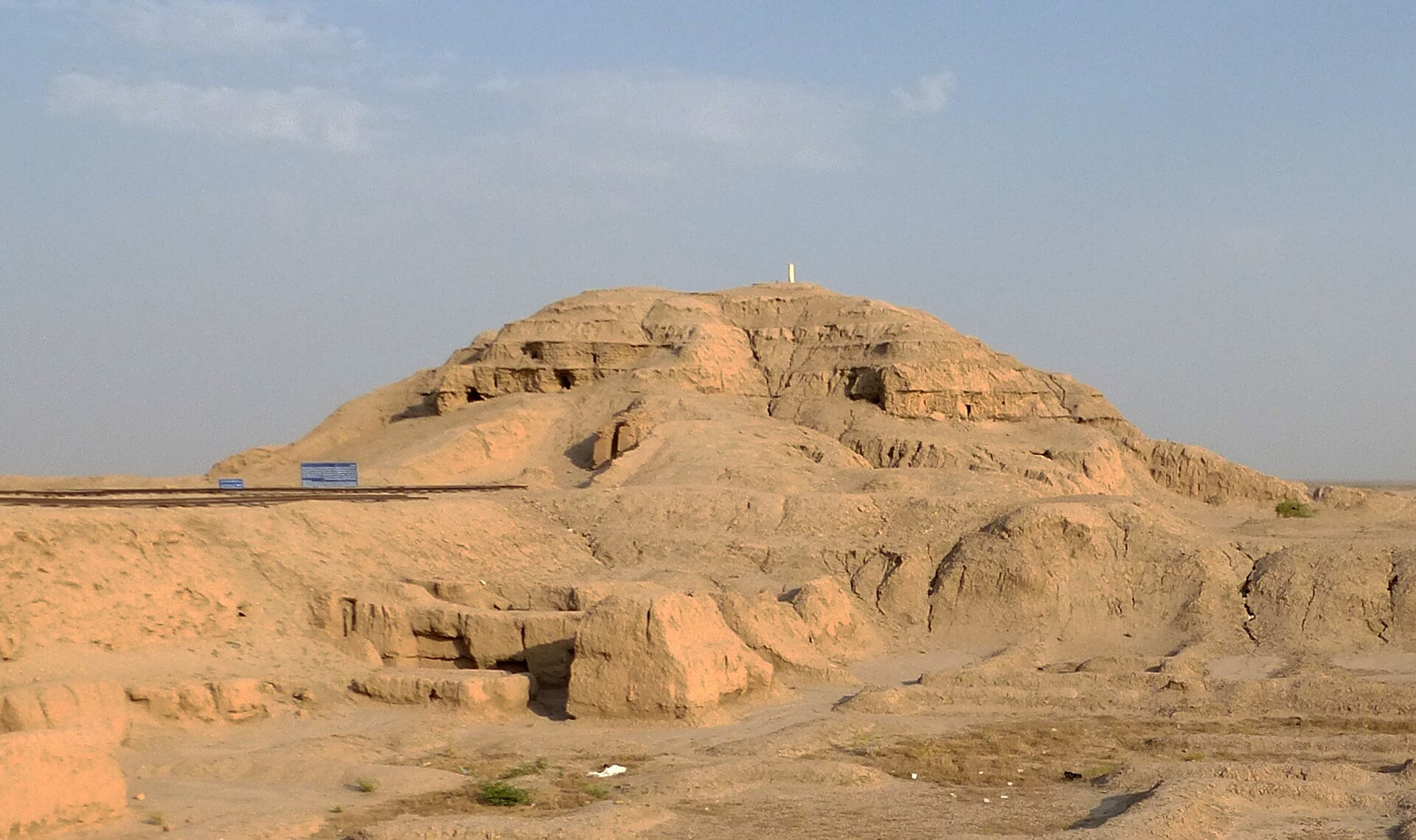
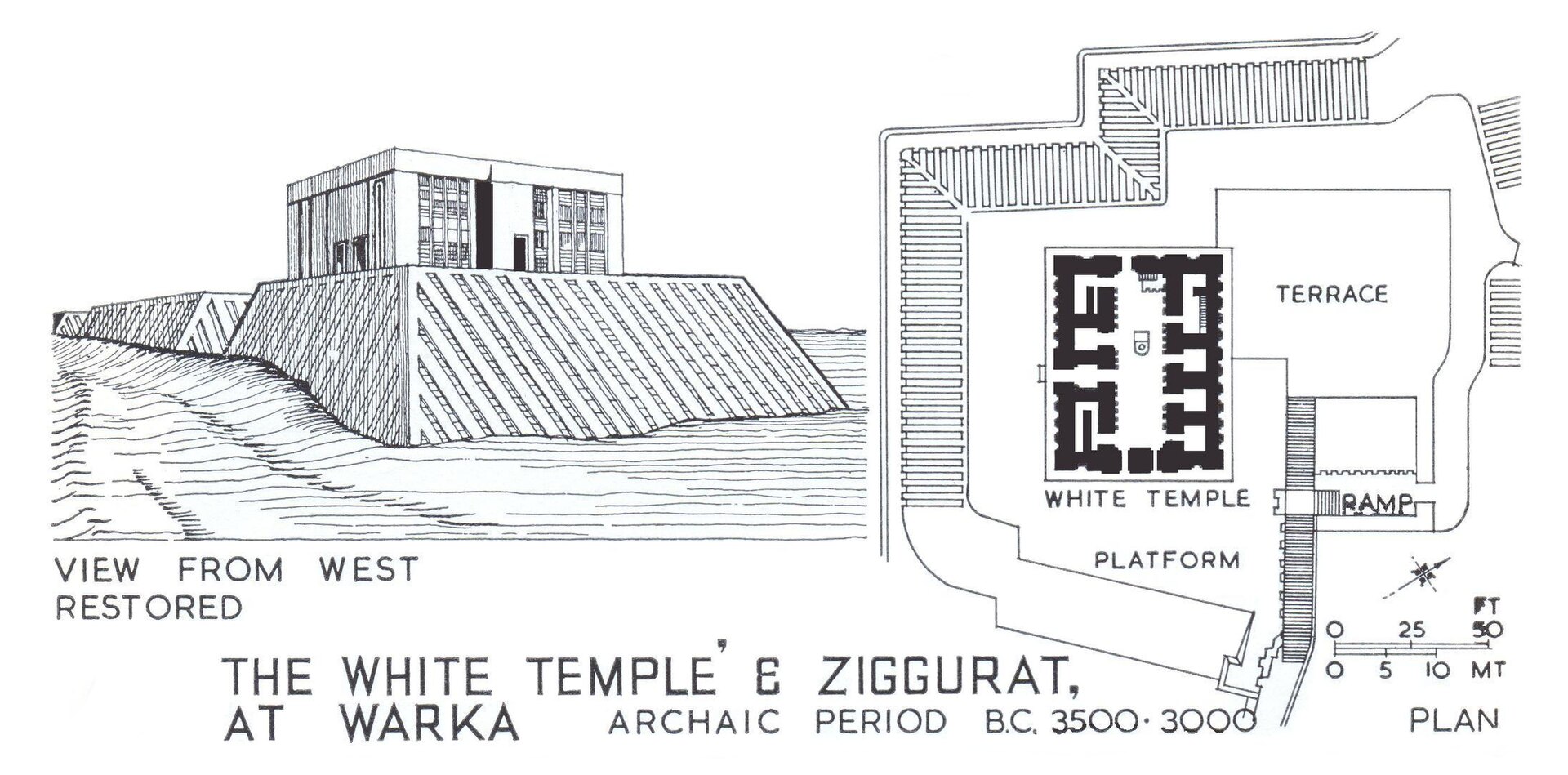
Ruins of the White Temple ziggurat dedicated to Anu at Uruktobeytravels · CC BY-SA 2.0Reconstruction drawing of the White Temple of Anu at Uruk, c. 3500-3000 BCEPublic domain
Sources
An (Akkadian Anu) was the Mesopotamian sky god, the supreme source of authority among gods and kings, with a major cult center at Uruk. Wikipedia
Anu headed the divine hierarchy and granted kingship and authority, though in practice executive power often passed to Enlil and later Marduk. World History Encyclopedia
An/Anu belongs to the oldest generation of Mesopotamian gods; though nominally supreme, he came to share executive authority with Enlil and later Marduk, while retaining the title 'father of the gods' and conferring kingship on earth. Oracc — Ancient Mesopotamian Gods and Goddesses (University of Pennsylvania)
Anu was a member of the triad of highest Mesopotamian deities completed by Enlil and Ea (Enki); like most sky gods, he played only a small role in daily cult and mythology despite his theoretical supremacy. Encyclopaedia Britannica
A graveyard tradition: leave a stone to show you came, and remembered.
Buried nearby — by shared fate or a neighbouring lifespan.