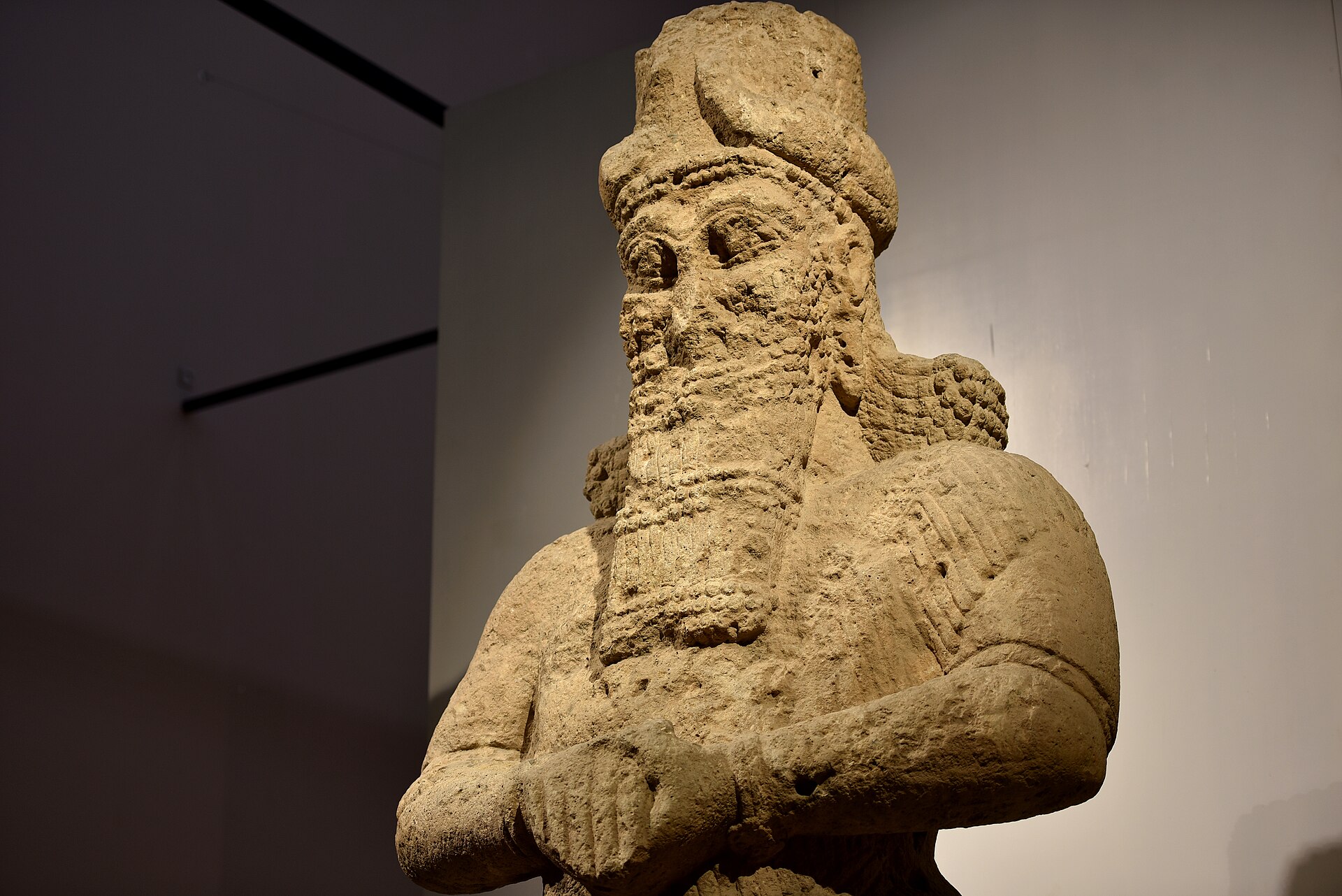
Osama Shukir Muhammed Amin FRCP(Glasg) · CC BY-SA 4.0
Fallen Gods
Nabu
Nebo
2000 BCE100 CE
Divine scribe of Borsippa who held the stylus that recorded every fate on the Tablet of Destinies, his clay tablets now read by no worshipper.
Born
2000 BCE
Died
100 CE
Lived
2,100 years
Dead for
1,926 yrs
Cause of death
Forgotten
Replaced by
Christianity and Islam in the later Near East
The Obituary
Nabu, called Nebo in the Bible, was the Mesopotamian god of writing, wisdom and the scribal arts, son of Marduk, worshipped above all at Borsippa near Babylon. As patron of scribes he was believed to record the fates of humankind on the Tablet of Destinies, and his prestige is preserved in royal names such as Nebuchadnezzar. Each year at the New Year festival his statue processed to Babylon to visit his father. Honored for nearly two thousand years, his cult declined under Persian and Greek rule and ended in the early centuries CE, the god of writing himself unwritten.
Worth remembering
As patron of scribes he was said to inscribe the fates of humankind on the sacred Tablet of Destinies.
At the Babylonian New Year festival, his statue traveled from Borsippa to Babylon to visit his father Marduk in a great procession.
Gallery
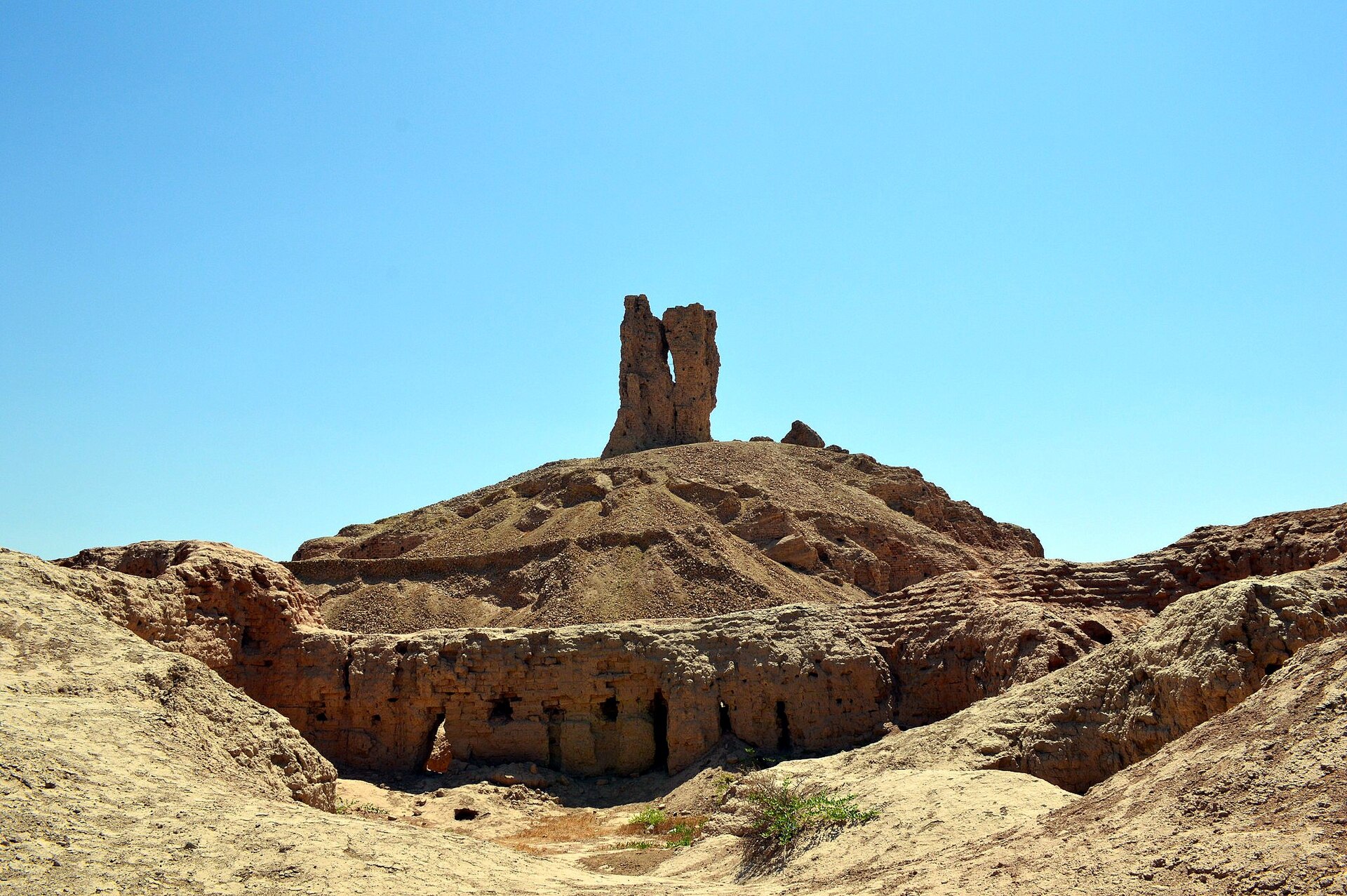
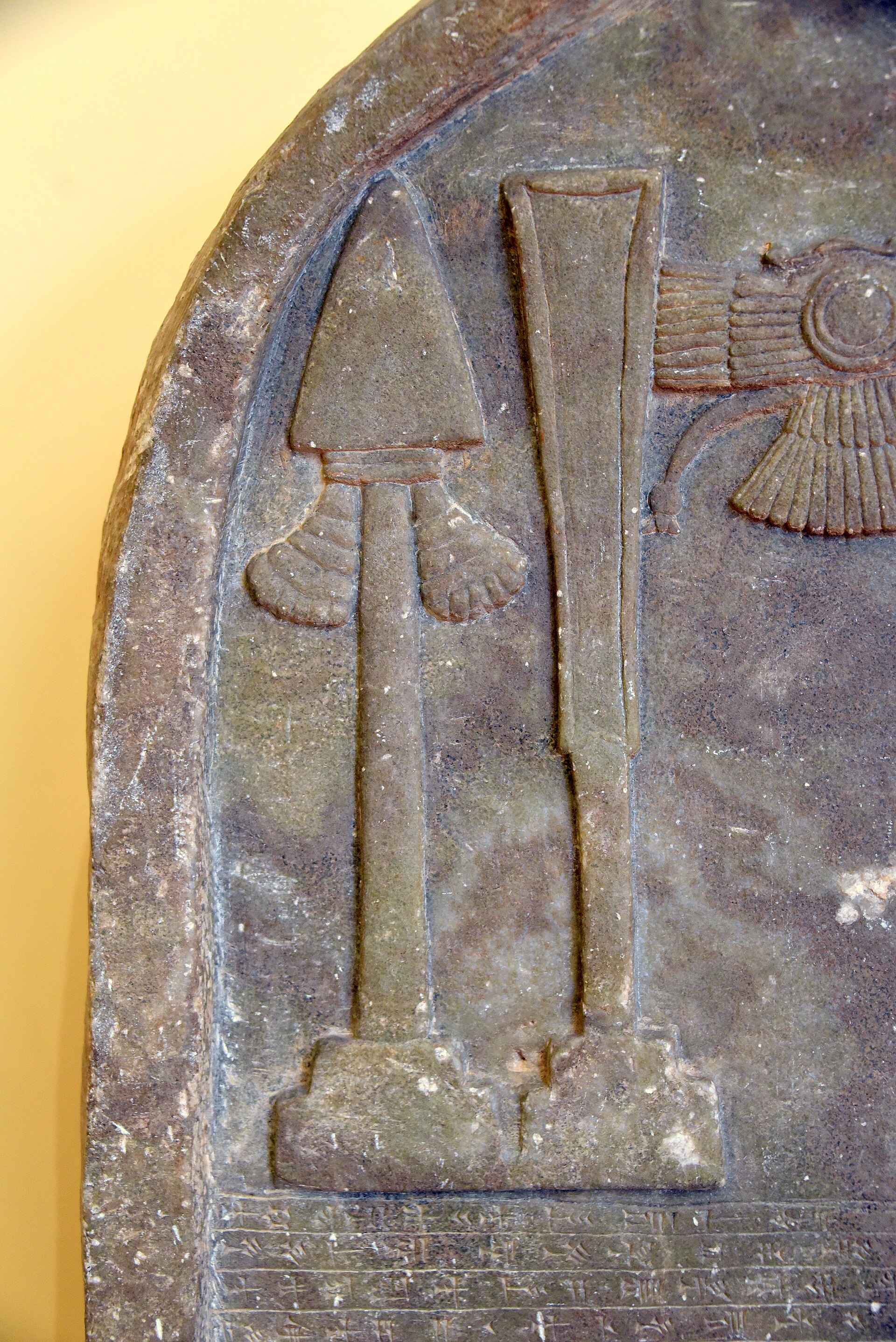
Ruins of the ziggurat and Ezida temple of the god Nabu at Borsippa (Birs Nimrud), IraqOsama Shukir Muhammed Amin FRCP(Glasg) · CC BY-SA 4.0Stele detail showing the stylus symbol of the god Nabu beside Marduk's symbol, 8th century BCE, Ancient Orient Museum, IstanbulOsama Shukir Muhammed Amin FRCP(Glasg) · CC BY-SA 4.0
Sources
Nabu was the Mesopotamian god of literacy, scribes, wisdom and the rational arts, son of Marduk, with his cult center at Borsippa. Wikipedia
Nabu was credited with keeping the Tablet of Destinies and was patron of scribes; his name survives in royal names like Nebuchadnezzar. World History Encyclopedia
Nabu was patron deity of Borsippa and scribe of Marduk; on the 11th day of the New Year festival he inscribed the fates of the land on the Tablet of Destinies, and by the Neo-Babylonian period he was elevated to co-regent with Marduk at the head of the pantheon Oracc Ancient Mesopotamian Gods and Goddesses (University of Pennsylvania)
Nabu's name appears in the Bible as Nebo, and his influence extended well into the later periods of Mesopotamian history; he progressively took over the role of god of writing from the goddess Nidaba World History Encyclopedia
A graveyard tradition: leave a stone to show you came, and remembered.
Buried nearby — by shared fate or a neighbouring lifespan.