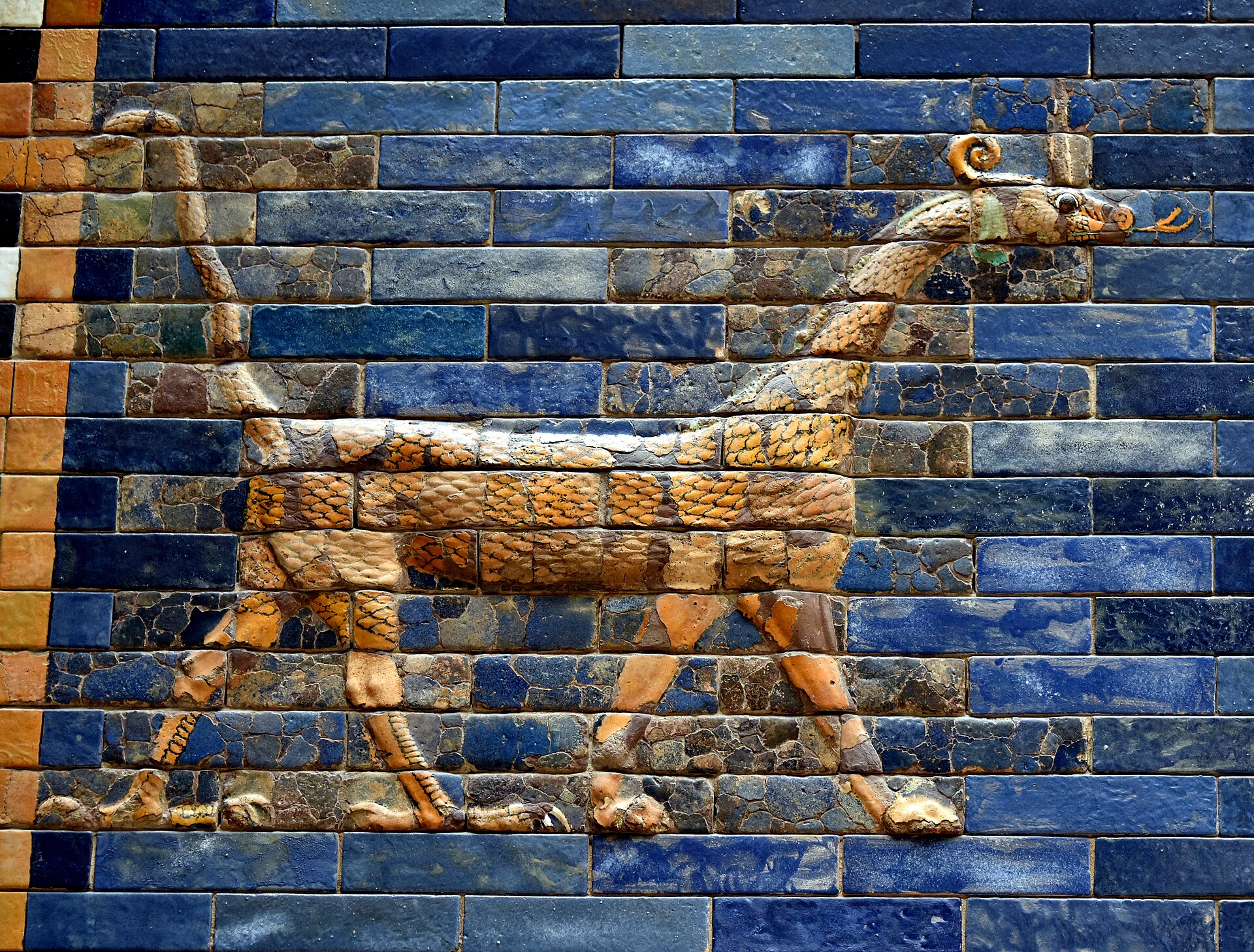
Osama Shukir Muhammed Amin FRCP(Glasg) · CC BY-SA 4.0
Fallen Gods
Marduk
2000 BCE100 CE
The slayer of the chaos-dragon Tiamat who rose, through the Enuma Elish, to king of all gods in Babylon, now silent under the desert that buried his city.
Born
2000 BCE
Died
100 CE
Lived
2,100 years
Dead for
1,926 yrs
Cause of death
Forgotten
Replaced by
Christianity and Islam in the later Near East
The Obituary
Marduk was the patron deity of Babylon who climbed from local obscurity to become king of the entire Mesopotamian pantheon as the city itself rose to empire. His defining myth, the Enuma Elish, has him slay the chaos-dragon Tiamat and build the cosmos from her body, earning fifty names and supreme rule. Worshipped at the temple Esagila for nearly two millennia, his cult weakened as Babylon fell under Persian and then Greek control. By the early centuries CE the rites had ceased and the god was forgotten beneath the ruins.
Worth remembering
In the Enuma Elish, the young Marduk agreed to fight the chaos-monster Tiamat only if the gods made him their king; he split her corpse to form sky and earth.
His great temple Esagila in Babylon held the ziggurat Etemenanki, often linked to the legend of the Tower of Babel.
Gallery
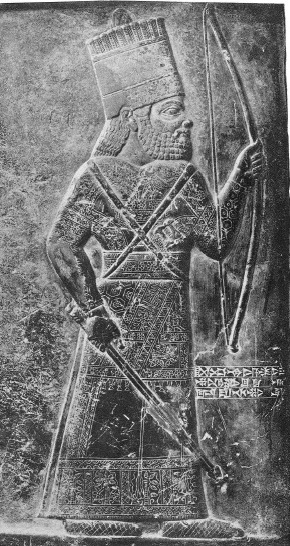
Kudurru (boundary stone) from the reign of Marduk-nadin-ahhe, inscribed in cuneiform, 11th century BCE, British MuseumPublic domain
Sources
Marduk was the patron god of Babylon and became head of the Mesopotamian pantheon; in the Enuma Elish he slays Tiamat and creates the world from her body. Wikipedia
Marduk's rise to supremacy is tied to Babylon's political ascendance; the Enuma Elish recounts his elevation over the gods. World History Encyclopedia
Marduk rose from city-god of Babylon to head of the Mesopotamian pantheon as Babylon gained political supremacy, absorbing the powers and titles of older gods. Encyclopaedia Britannica
A graveyard tradition: leave a stone to show you came, and remembered.
Buried nearby — by shared fate or a neighbouring lifespan.