The Mesopotamian shepherd-god, consort of Inanna, who died each year so the harvest could live — mourned for millennia, his name wept in the biblical book of Ezekiel, and now mourned by no one.
Born
3000 BCE
Died
100 CE
Lived
3,100 years
Dead for
1,926 yrs
Cause of death
Forgotten
Replaced by
Christianity and Islam in the later Near East
The Obituary
Dumuzi, called Tammuz in Akkadian, was the Mesopotamian shepherd-god and consort of Inanna, a dying-and-rising vegetation deity whose fate tracked the seasons. When Inanna escaped the underworld she gave Dumuzi as her substitute; he was dragged below, spending half each year among the dead while his sister served the other half. His yearly death drew ritual lamentation across the Near East for three thousand years, a mourning even condemned in the biblical Ezekiel. Those wailing rites persisted into the early centuries CE, then ceased, and the shepherd-god was forgotten.
Worth remembering
When Inanna returned from the dead she needed a substitute, and chose her own husband Dumuzi, who was dragged off by demons to the underworld.
His annual death was wept over in ritual lamentation, a mourning so famous it is even denounced in the biblical book of Ezekiel as 'women weeping for Tammuz'.
Gallery
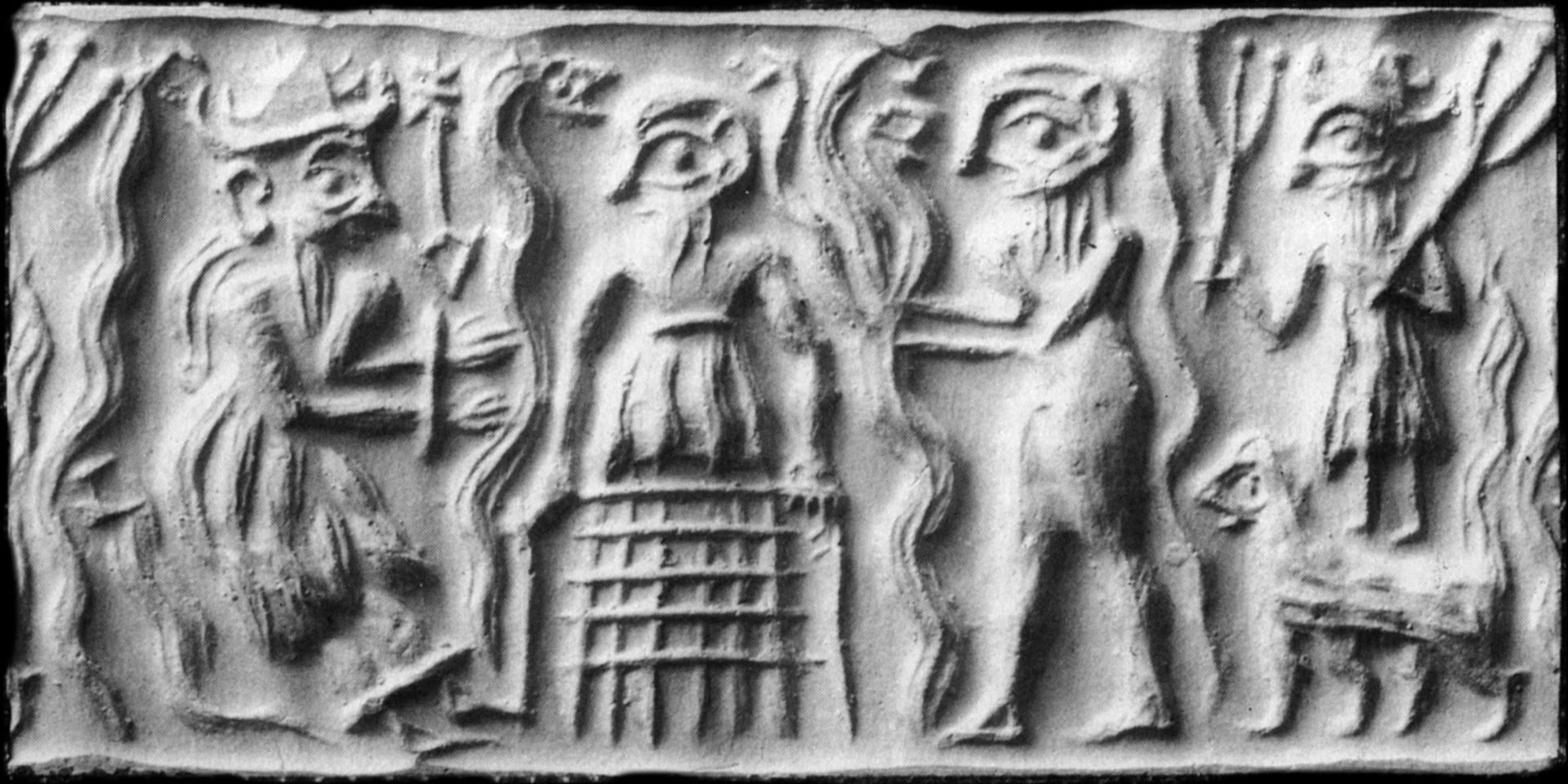
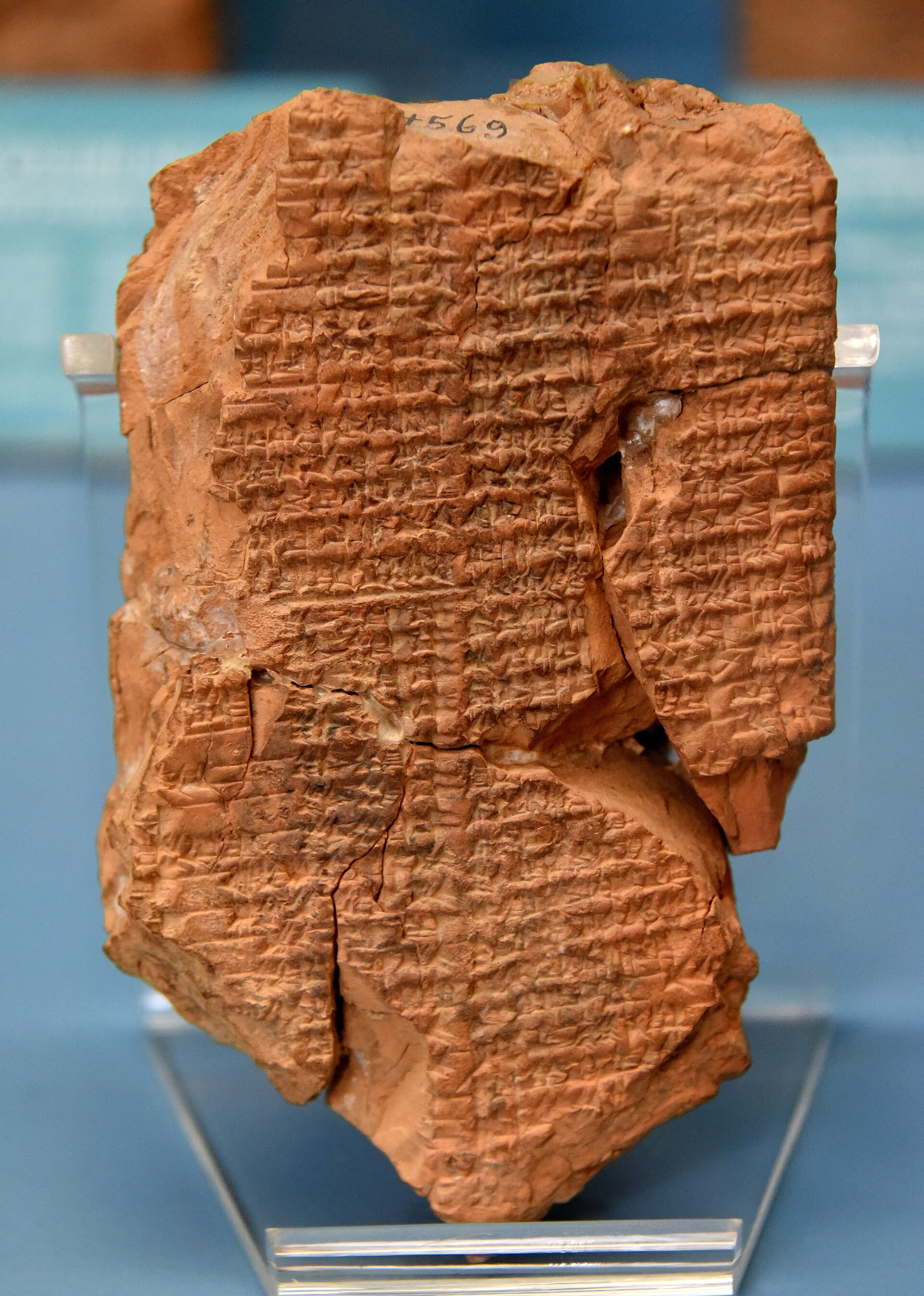
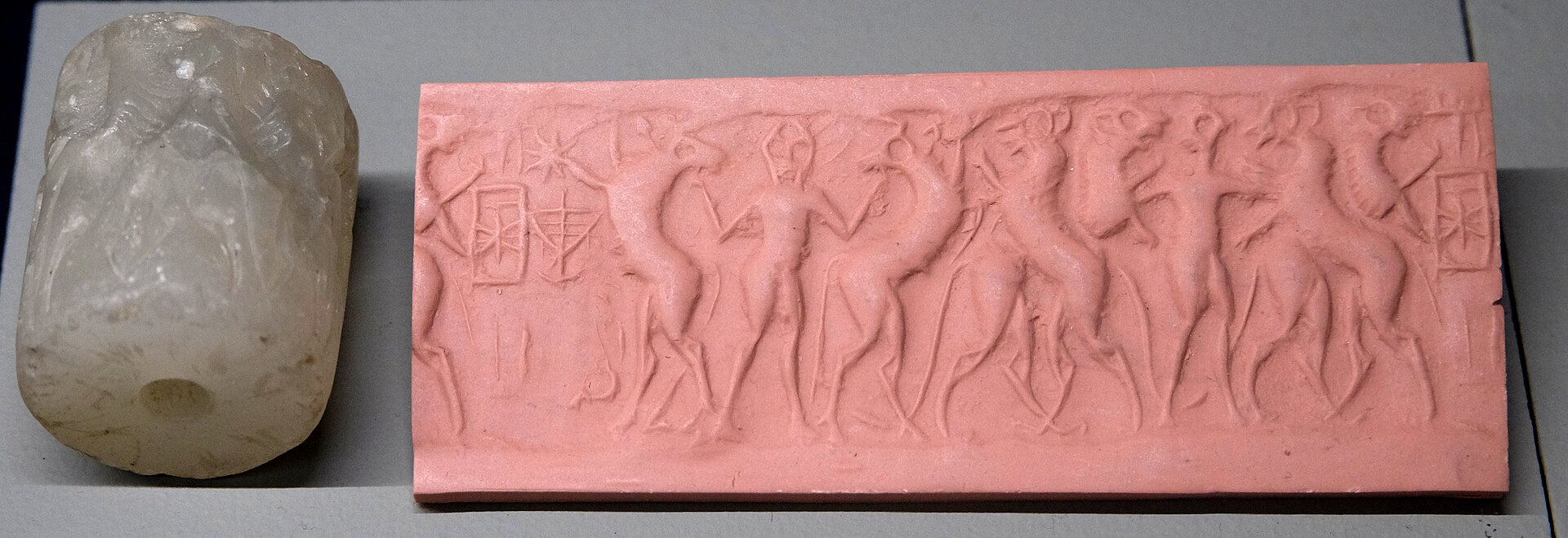
Terracotta tablet from Nippur showing the myth of Enkimdu and Dumuzi competing for Inanna's hand, early 2nd millennium BCEOsama Shukir Muhammed Amin FRCP(Glasg) · CC BY-SA 4.0Early Dynastic cylinder seal impression inscribed Ama-Ushumgal, a name of Dumuzi, with a bull-man attacking quadrupedsPublic domain
Sources
Dumuzid (Akkadian Tammuz) was the Mesopotamian god of shepherds, the consort of Inanna, associated with vegetation and the dying-and-rising cycle. Wikipedia
Inanna hands Dumuzi to the underworld as her substitute; he spends half the year below, his sister taking the other half, mirroring the seasons. World History Encyclopedia
Tammuz was the Mesopotamian god of fertility embodying the powers of new life in spring; the earliest known mention dates to the Early Dynastic III period (c. 2600–2334 BCE), though his cult is probably older. Encyclopaedia Britannica
A graveyard tradition: leave a stone to show you came, and remembered.
Buried nearby — by shared fate or a neighbouring lifespan.