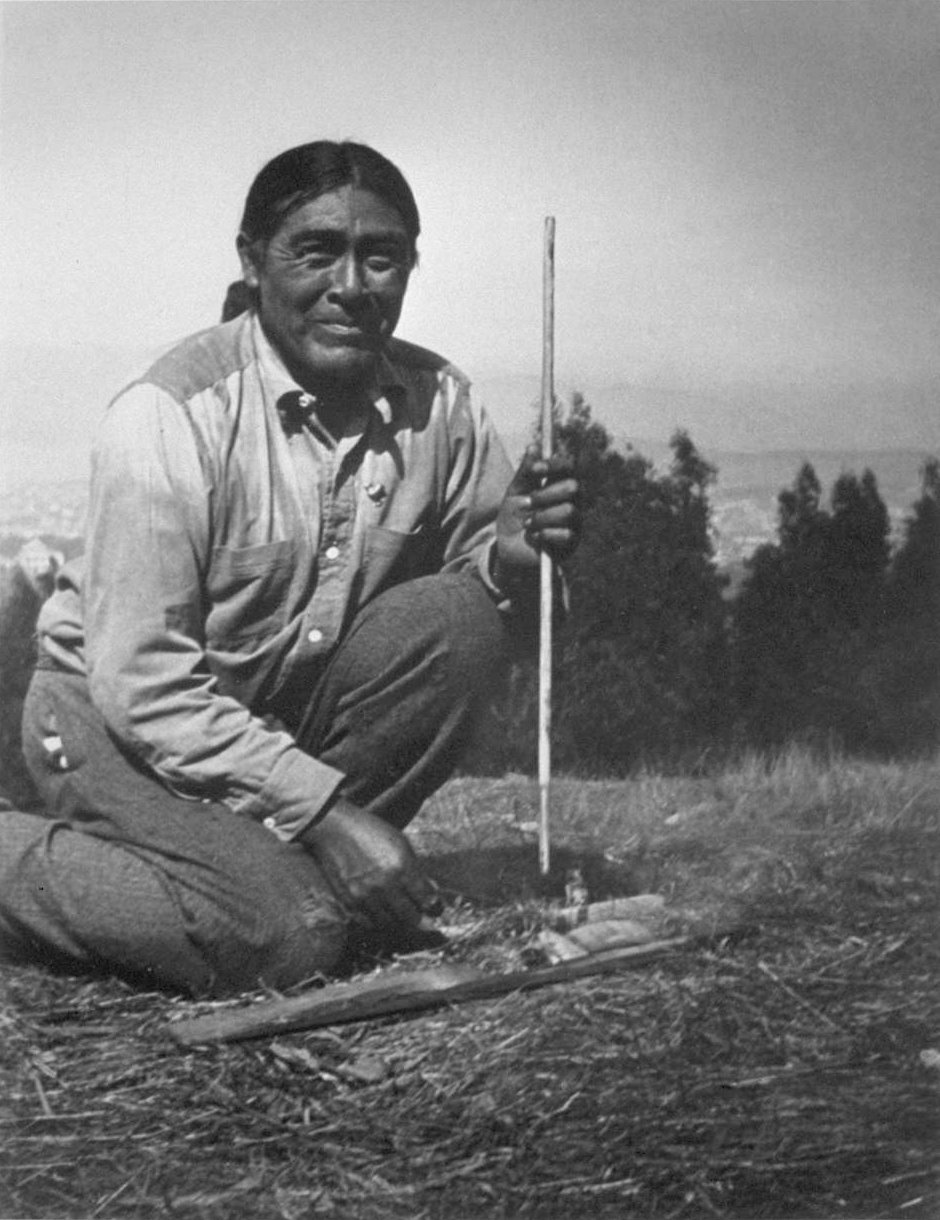
The Yahi were the southernmost band of the Yana-speaking peoples of northern California, living in the foothill canyons along Deer Creek and Mill Creek east of the Sacramento Valley. Their population was roughly 400 before the Gold Rush of 1848. They were hunter-gatherers who lived on deer, salmon and acorns, organised in small egalitarian bands, and defended their territory fiercely.
The California genocide of the 1850s–1870s, carried out by armed settlers and militias with informal state backing, killed most Yahi in raids and massacres, including the 1865 Three Knolls Massacre. The survivors, perhaps a dozen, went into total concealment around 1871, leaving no smoke or tracks, and dwindled by attrition until Ishi, the last, emerged alone near Oroville on 29 August 1911, starving and about 50 years old. He lived four and a half years at the University of California’s museum, demonstrating Yahi tool-making, language and song, and died of tuberculosis on 25 March 1916. His remains were repatriated to the Yana in 2000. The Yana as a broader people have living descendants; no confirmed Yahi descendants are documented.
Worth remembering
- The Yahi were egalitarian hunter-gatherers of the Sierra foothills along Mill and Deer Creeks who hunted deer, gathered acorns and knapped fine obsidian points — skills Ishi later demonstrated, making a working arrowhead in minutes.
- Militia raids between about 1865 and 1871 cut the Yahi to fewer than 15 people, who then survived in a canyon for 40 years leaving no trace outsiders could confirm, until Ishi walked out alone in 1911.
The people
-
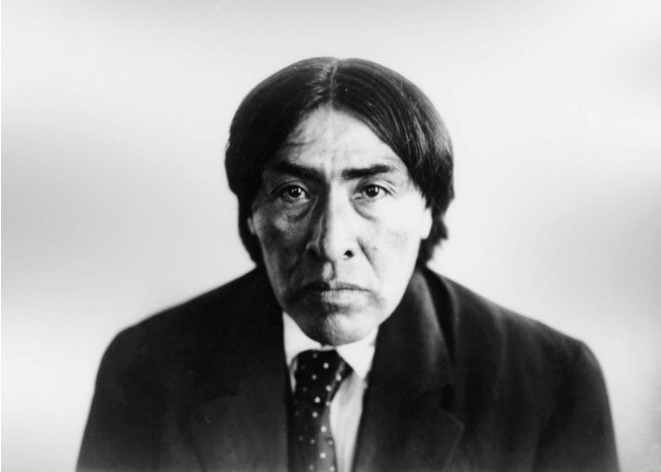
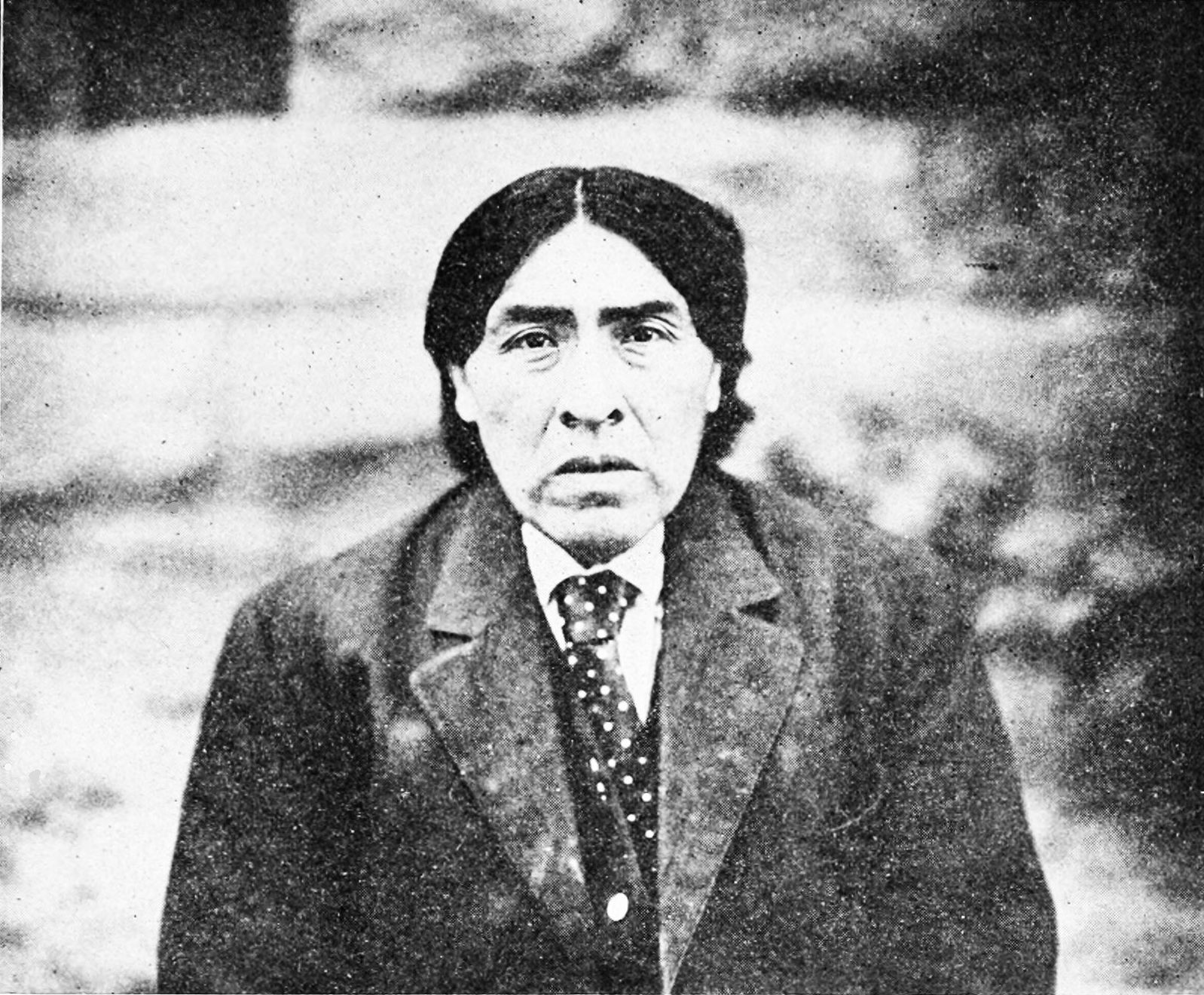
Ishi — Last known member of the Yahi, c. 1860–1916
After his last companions died, Ishi emerged from hiding near Oroville in August 1911; he lived four and a half years at UC Berkeley's museum, demonstrating Yahi craft and language, and died of tuberculosis in 1916.
Gallery
Further reading
Sources
- Ishi emerged from hiding on 29 August 1911 near Oroville, the last of his companions gone; he lived at UC Berkeley's museum and died on 25 March 1916 of tuberculosis. Phoebe A. Hearst Museum of Anthropology, UC Berkeley
- The Yahi numbered about 400 before 1848; the 19th-century California genocide, including the 1865 Three Knolls Massacre, killed most, and survivors hid from about 1871. Wikipedia
- Ishi never told outsiders his name and was known by the Yahi word for 'man'; he recorded tools, language and songs with anthropologist Alfred Kroeber before his death. Encyclopaedia Britannica
A graveyard tradition: leave a stone to show you came, and remembered.