The largest contiguous land empire of its age, stretched across eleven time zones — two centuries of Romanov rule undone by war, hunger, and the 1917 revolution.
Born
1721 CE
Died
1917 CE
Lived
196 years
Dead for
109 yrs
Cause of death
Overreach
Replaced by
Russian Republic; then the Soviet Union
The Obituary
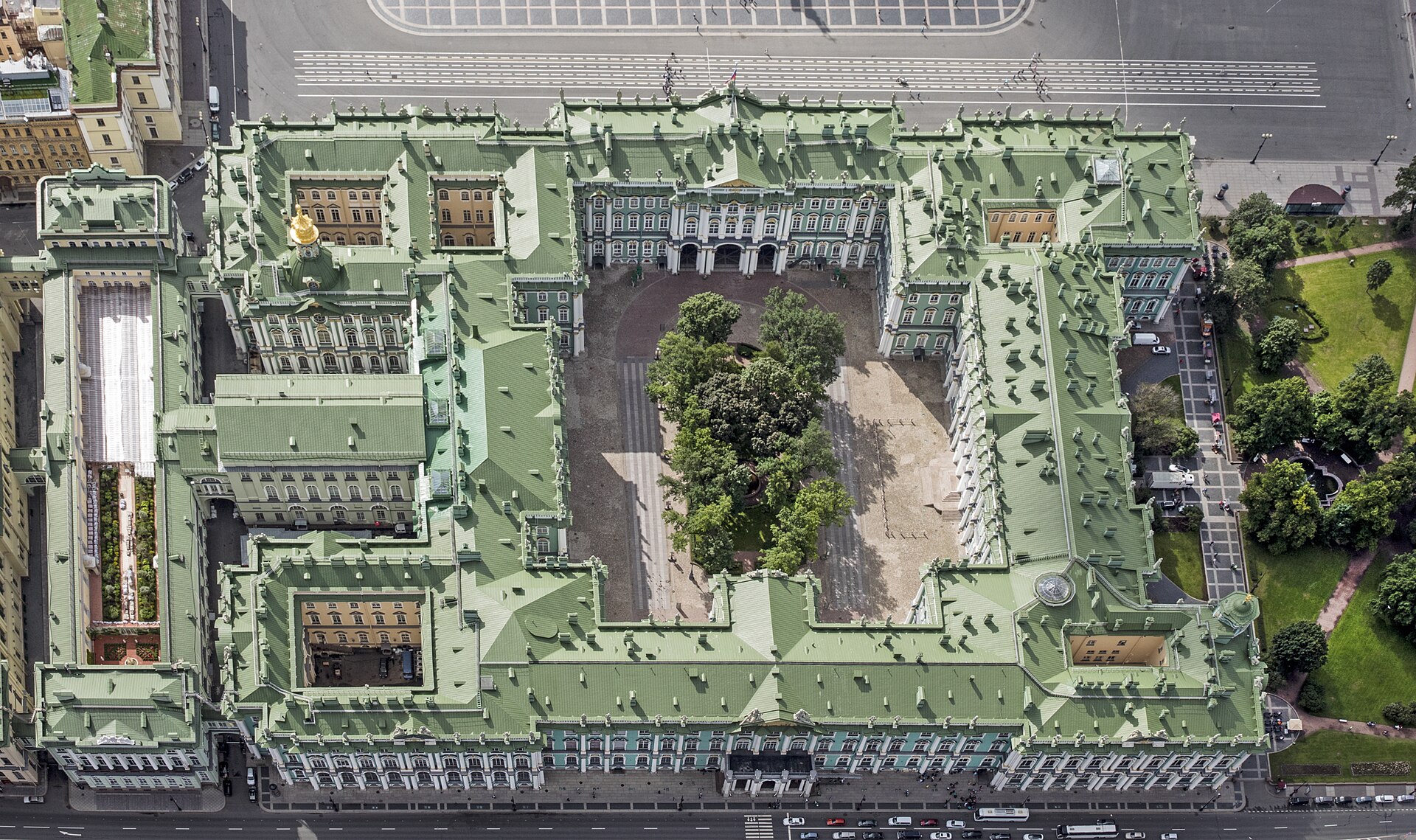
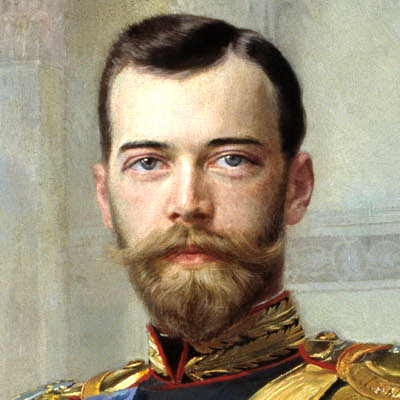
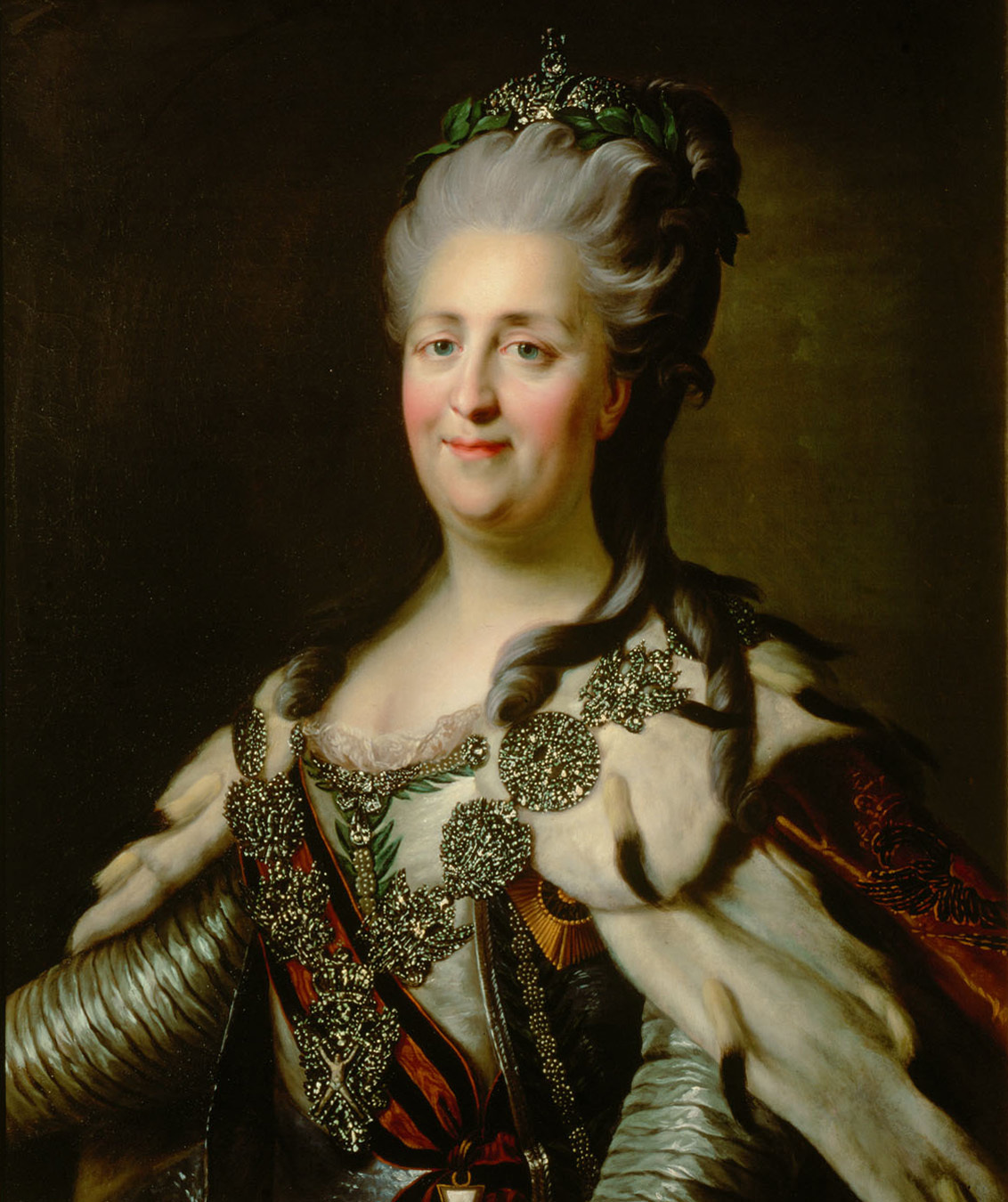
The Russian Empire was proclaimed in 1721 when Peter the Great, fresh from defeating Sweden, declared himself emperor and turned his realm toward Europe. Over two centuries the Romanovs expanded across Siberia to the Pacific and into Central Asia, building the largest contiguous empire of its time and a court of legendary opulence. But the empire modernized slowly and ruled harshly, and the strains of the First World War proved fatal. Military defeats, food shortages, and mass discontent erupted in the February Revolution of 1917, forcing Nicholas II to abdicate. Within months the Bolsheviks seized power, and the imperial family was executed in 1918.
Worth remembering
By 1914 it covered about 22.8 million square kilometres, roughly a sixth of the world's land area.
It abolished serfdom only in 1861, freeing some 23 million peasants under Alexander II.
Gallery
Portrait of Tsar Nicholas II of RussiaPublic domainPortrait of Empress Catherine the Great of RussiaPublic domain
Watch
Russian Revolution 1917–18 newsreel footage — British Pathé
Sources
Russian Empire proclaimed 1721 under Peter the Great; ended with the 1917 Revolution Wikipedia
February Revolution of 1917 ended the Romanov monarchy with Nicholas II's abdication Wikipedia
The Russian Empire was proclaimed in 1721 when Peter the Great assumed the title of emperor; under the Romanovs it grew into the largest contiguous land empire of its era before collapsing in the 1917 revolutions. Encyclopaedia Britannica
The Russian Revolution of 1905, triggered by Bloody Sunday and military defeat in Manchuria, forced Nicholas II to concede a parliament and exposed the fragility of Romanov autocracy World History Encyclopedia
A graveyard tradition: leave a stone to show you came, and remembered.
Buried nearby — by shared fate or a neighbouring lifespan.