China's last imperial dynasty, founded by Manchu conquerors in 1636 and toppled by the 1911 Xinhai Revolution — the child emperor Puyi abdicated in 1912.
Born
1636 CE
Died
1912 CE
Lived
276 years
Dead for
114 yrs
Cause of death
Overreach
Replaced by
Republic of China
The Obituary
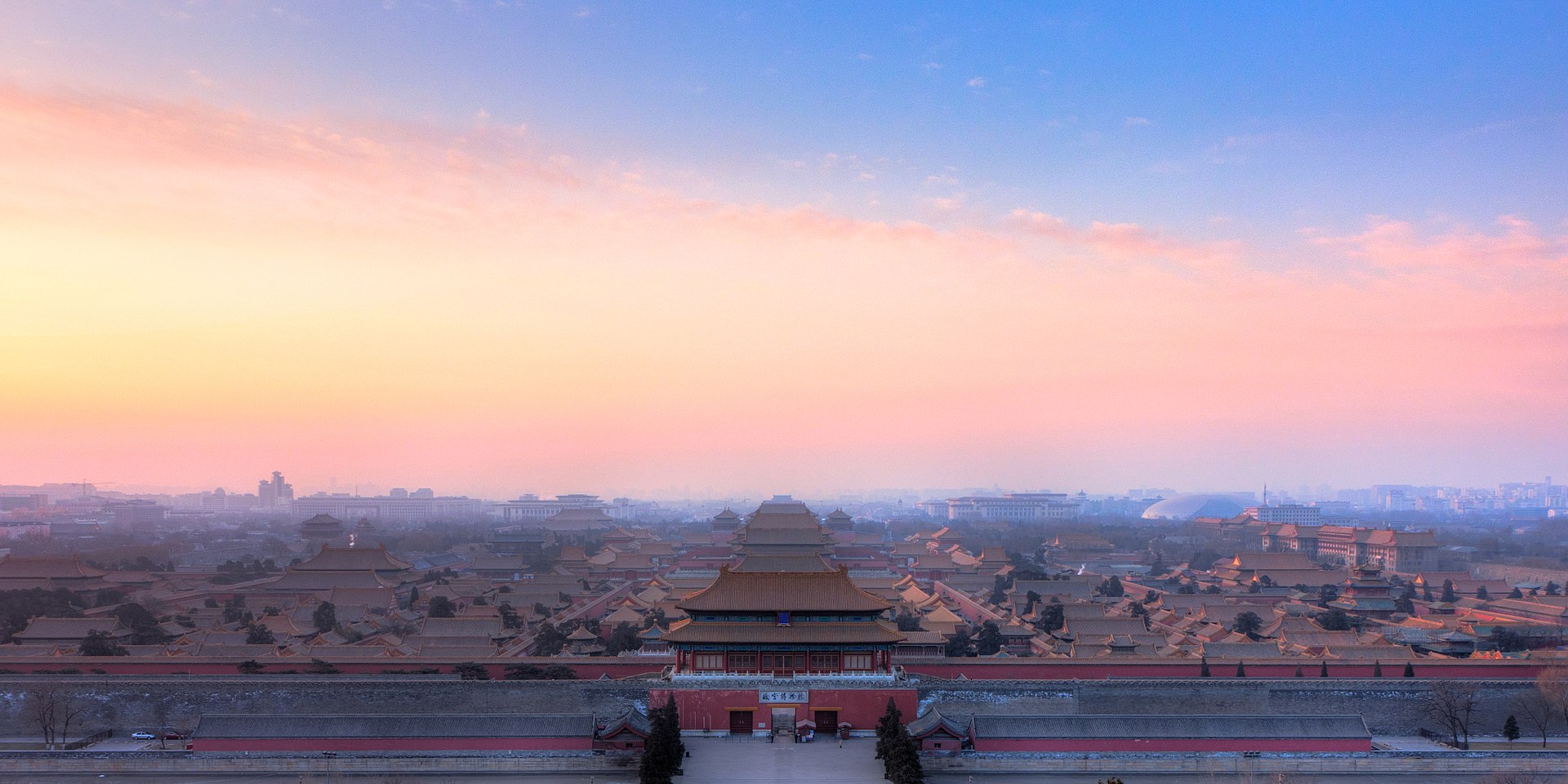
The Qing dynasty was China’s last imperial dynasty, proclaimed by the Manchu leader Hong Taiji in 1636; his people, from beyond the Great Wall, seized Beijing in 1644 and ruled until 1912. At its 18th-century peak under the Kangxi and Qianlong emperors it was a vast, prosperous, multi-ethnic empire stretching into Central Asia. The 19th century brought ruin: defeat in the Opium Wars, the catastrophic Taiping Rebellion, and humiliating concessions to foreign powers. Reform came too slowly. The 1911 Xinhai Revolution swept the throne aside, and the six-year-old Xuantong Emperor (Puyi) abdicated on 12 February 1912, ending two millennia of imperial rule.
Worth remembering
Under the Qing, China's territory roughly doubled, incorporating Tibet, Xinjiang, Mongolia, and Taiwan.
The Qing presided over the largest population in the world, reaching over 400 million by the 19th century.
Gallery
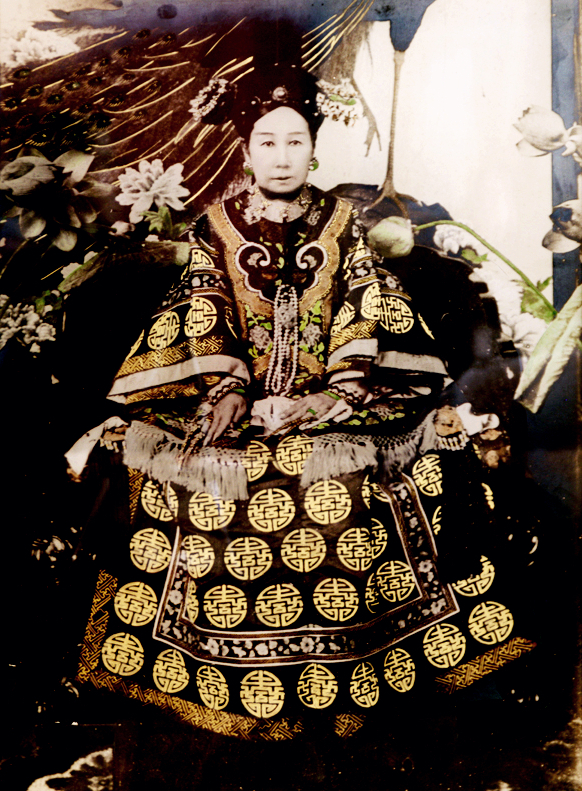
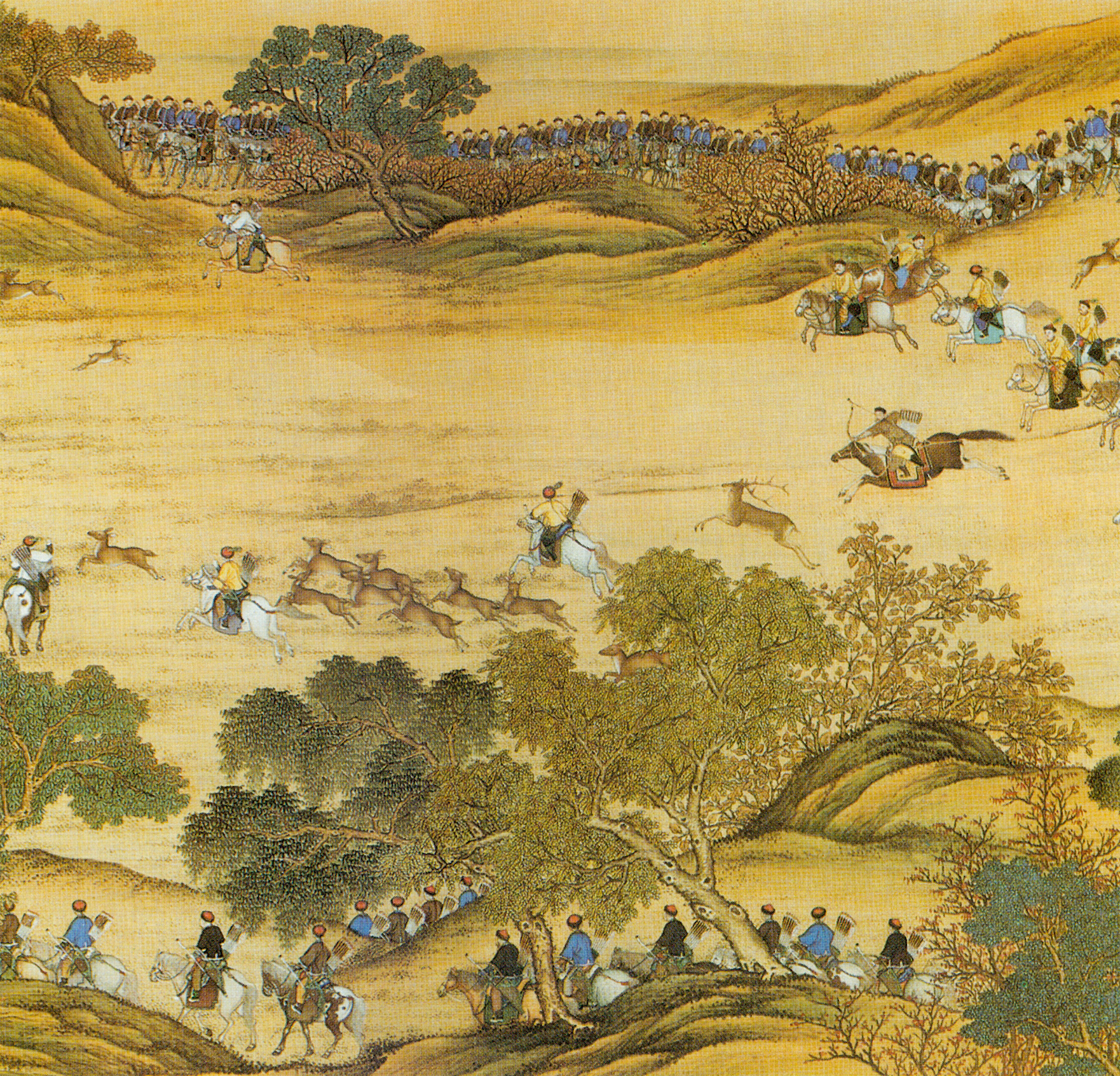
Photograph of Empress Dowager Cixi of the Qing dynastyPublic domainCourt painting of the Qianlong Emperor by Giuseppe CastiglionePublic domain
Watch
Communists, Nationalists, and China's Revolutions (covers Qing fall) — Crash Course World History 37
Sources
Qing dynasty proclaimed 1636, ruled China from 1644, ended with Puyi's abdication in 1912 Wikipedia
Xinhai Revolution of 1911 led to the founding of the Republic of China Wikipedia
The Qing dynasty was the last imperial dynasty of China; under it the empire's territory expanded greatly and the population grew from roughly 150 million to 450 million Encyclopaedia Britannica
A graveyard tradition: leave a stone to show you came, and remembered.
Buried nearby — by shared fate or a neighbouring lifespan.