A Bronze Age society of gridded cities like Mohenjo-daro and Harappa, with indoor plumbing and an undeciphered Indus script, that vanished as its rivers shifted.
Born
3300 BCE
Died
1300 BCE
Lived
2,000 years
Dead for
3,326 yrs
Cause of death
Disaster
Replaced by
later Vedic and regional cultures of the subcontinent
The Obituary
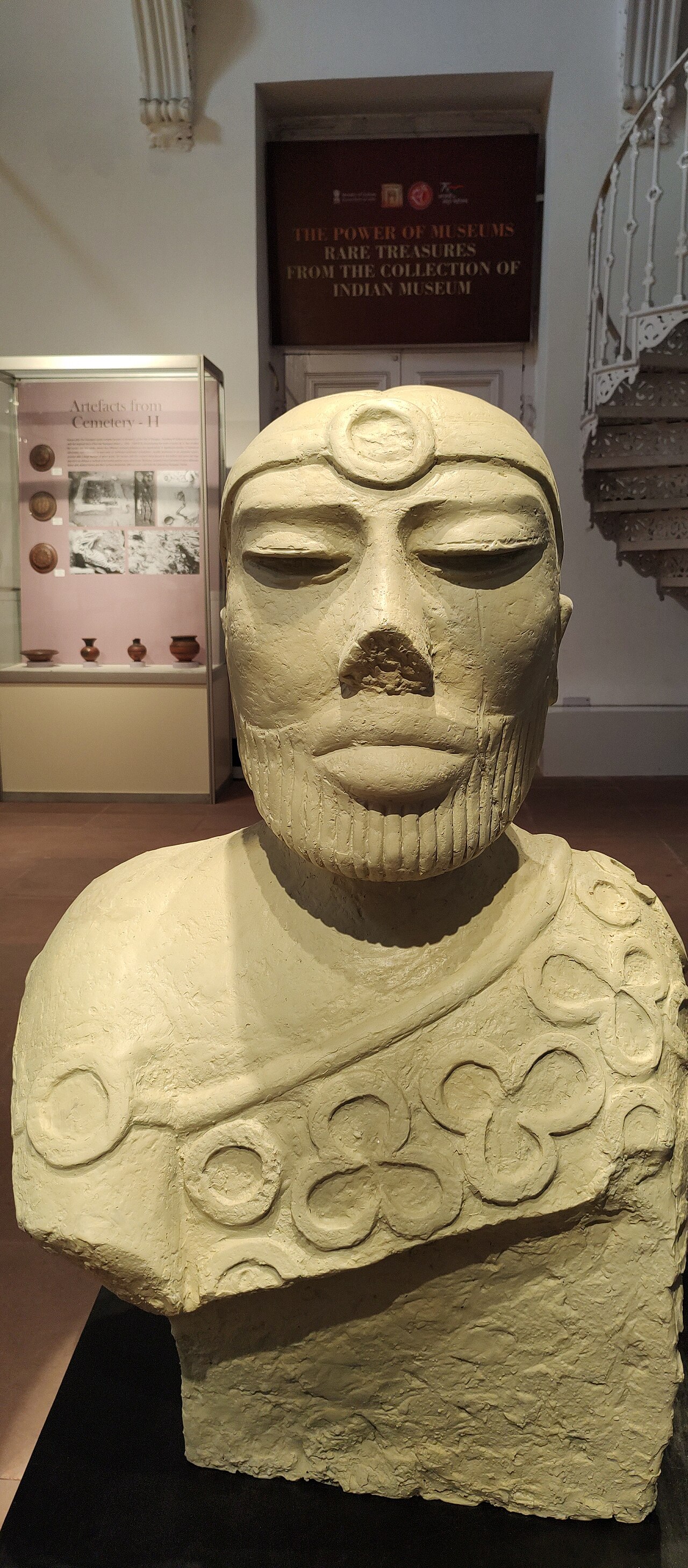
The Harappan civilization was one of the three great cradles of urban life, alongside Mesopotamia and Egypt, and in some respects the most advanced of its time. Across the Indus and Ghaggar-Hakra river basins it built planned cities like Mohenjo-daro and Harappa, with grid streets, brick houses, covered drains, and granaries — all without any sign of palaces or grand royal tombs. It traded with Mesopotamia and produced exquisite seals carved with an undeciphered script. From around 1900 BCE the cities declined, likely as monsoon patterns weakened and rivers shifted course, scattering the population eastward.
Worth remembering
Its cities had standardized fired-brick housing, public baths, and some of the world's earliest urban sanitation.
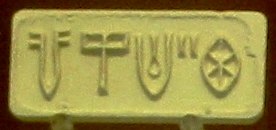
The Indus script, found on thousands of seals, has never been deciphered.
Gallery
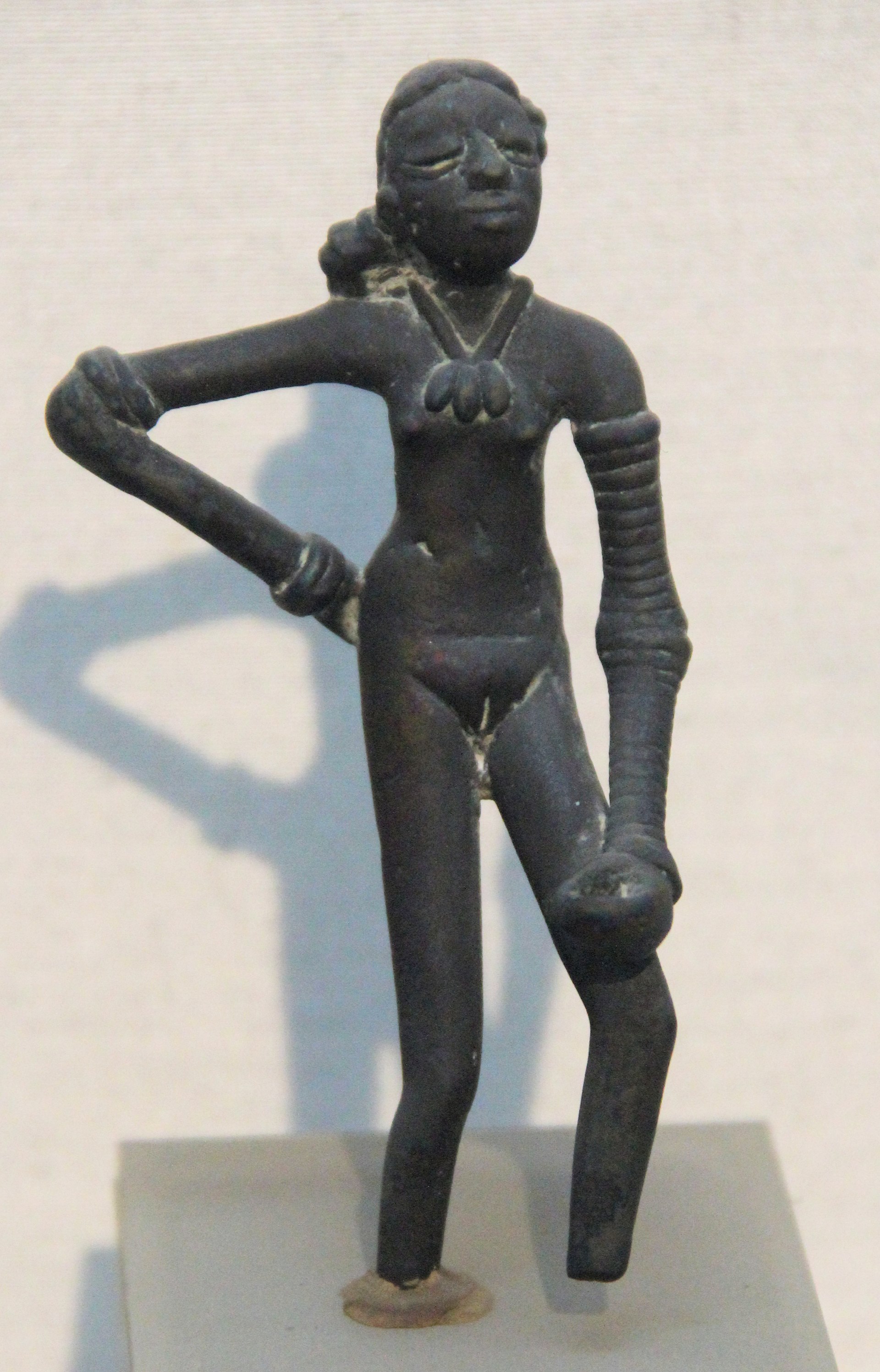
The Dancing Girl bronze figurine from Mohenjo-daroCC0Indus Valley seal impression showing the unicorn/bull motifPHGCOM · CC BY-SA 3.0
Watch
Mohenjo Daro 101 — National Geographic
Sources
Indus Valley Civilisation flourished c. 3300–1300 BCE across the Indus basin Wikipedia
Mohenjo-daro and Harappa featured grid-planned streets and advanced drainage Wikipedia
The Harappan civilization developed grid-planned cities with standardized baked-brick construction, public baths, and covered drainage systems — infrastructure comparable to anything else in the ancient world World History Encyclopedia
The Indus Valley Civilisation flourished across the Indus and Ghaggar-Hakra basins from c. 3300 BCE, trading as far as Mesopotamia before declining around 1900 BCE as climate and river patterns shifted Encyclopaedia Britannica
A graveyard tradition: leave a stone to show you came, and remembered.
Buried nearby — by shared fate or a neighbouring lifespan.