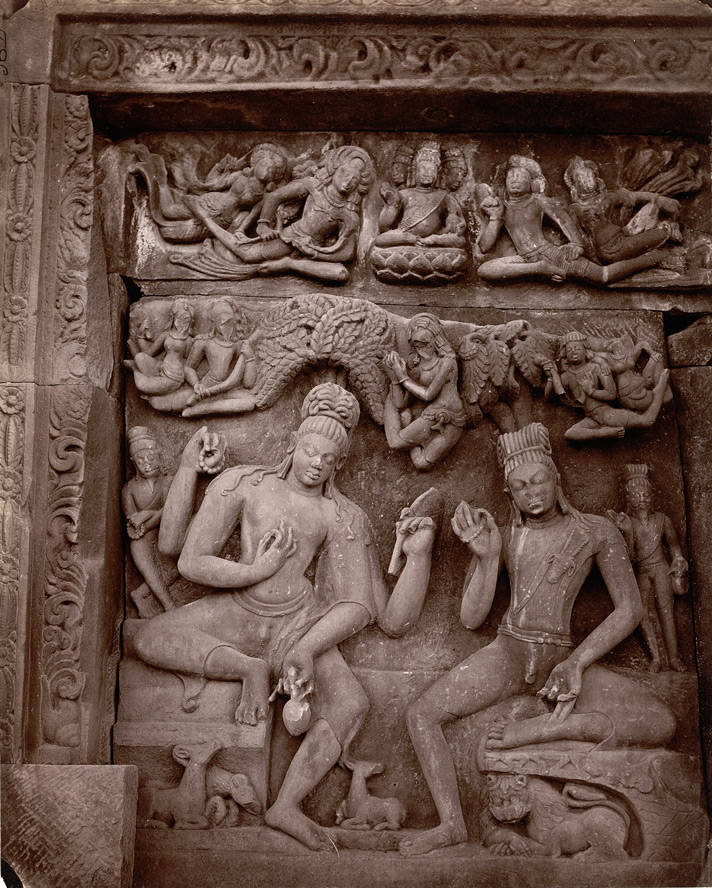
India's classical golden age, where Aryabhata set down the decimal zero before Huna invasions tore the empire apart.
Born
320 CE
Died
550 CE
Lived
230 years
Dead for
1,476 yrs
Cause of death
Conquest
Replaced by
Regional kingdoms and later the empire of Harsha
The Obituary
The Guptas, founded by Chandragupta I around 320 CE, unified much of northern India and presided over an era so culturally productive it is remembered as classical India’s golden age. Under rulers such as Samudragupta and Chandragupta II, Sanskrit poetry, mathematics, astronomy, and temple architecture flourished, and Hinduism took much of its lasting form. From the late 5th century, repeated invasions by the Hunas (Hephthalites) drained the treasury and broke the empire’s hold on its provinces. By around 550 CE central authority had collapsed into a patchwork of regional kingdoms, ending Gupta supremacy.
Worth remembering
Gupta-era mathematicians like Aryabhata formalized the concept of zero and the decimal system.
It is remembered as a classical golden age of Sanskrit literature, art, and science.
Gallery
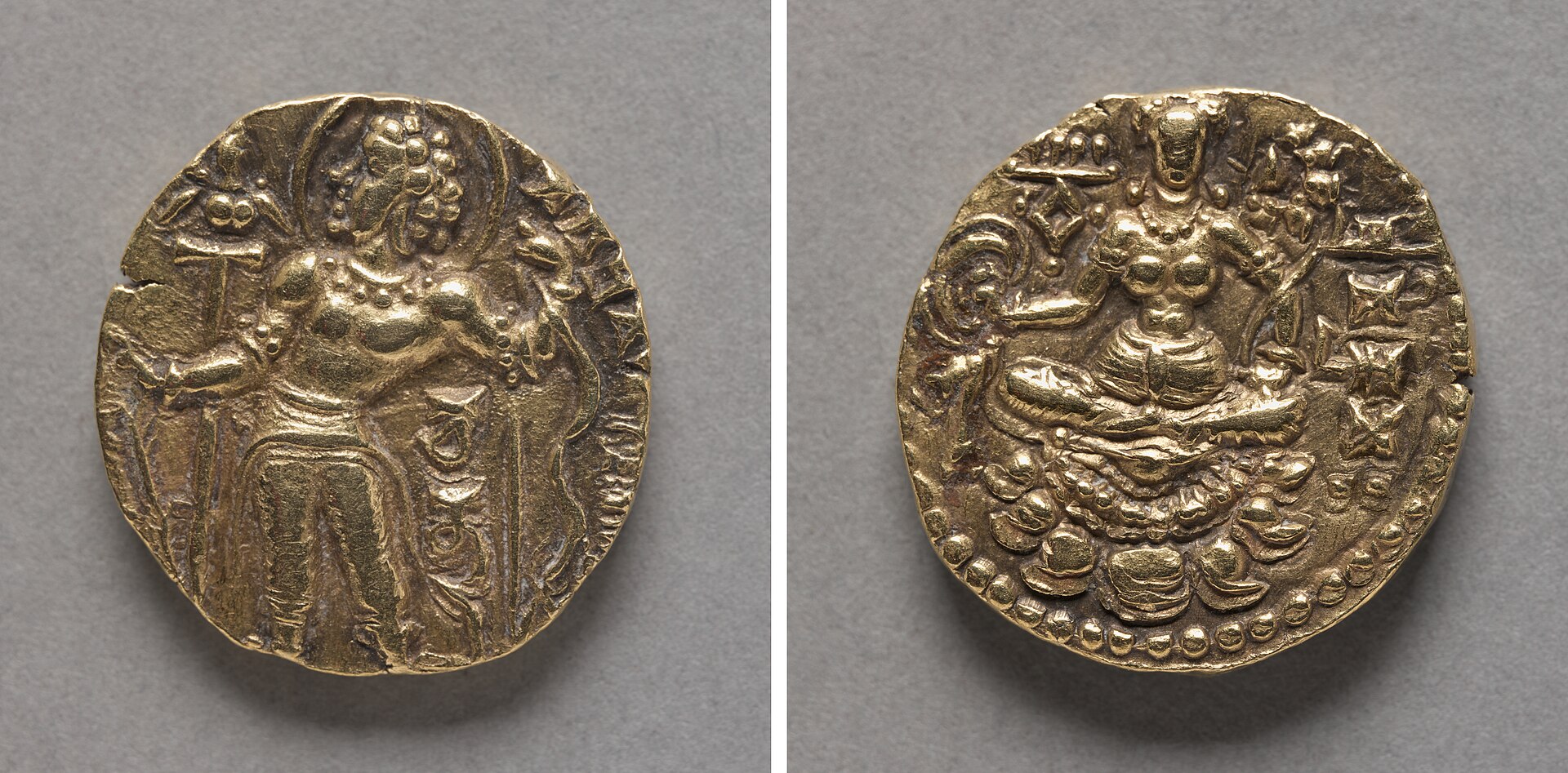
Gupta gold coin of Chandragupta II showing an archer, late 4th–early 5th century CECC0The rust-resistant Iron Pillar of Delhi, raised in the Gupta periodHridya08 · CC BY-SA 4.0
Watch
Gupta Dynasty — Khan Academy
Sources
Gupta Empire founded c. 320 CE by Chandragupta I in northern India Wikipedia
The Gupta period (c. 320–550 CE) saw major advances in mathematics, astronomy, literature, and temple architecture and is traditionally regarded as classical India's golden age World History Encyclopedia
Chandragupta I founded the Gupta dynasty c. 320 CE; his son Samudragupta expanded it across most of northern India through conquest and tribute World History Encyclopedia
A graveyard tradition: leave a stone to show you came, and remembered.
Buried nearby — by shared fate or a neighbouring lifespan.