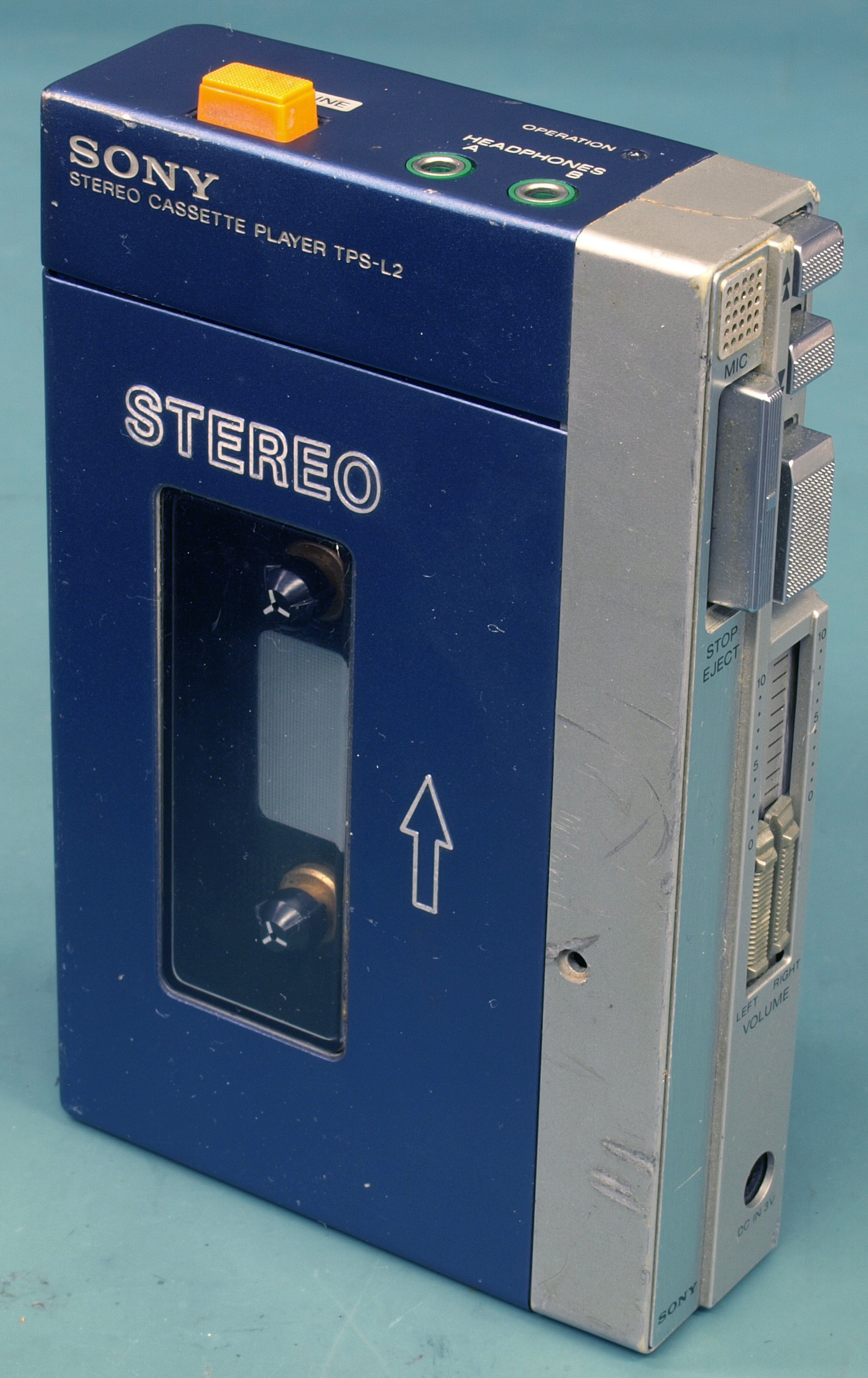
Before the Walkman, music in public was a shared thing — a radio, a boombox, a record at home. When Sony released the TPS-L2 in 1979, it invented something genuinely new: a private soundtrack you could carry, a way to wrap yourself in your own music while walking through the world. Sony’s own marketers predicted it would sell a few thousand a month; it sold tens of thousands in weeks, and somewhere around 200 million cassette Walkmans followed over three decades.
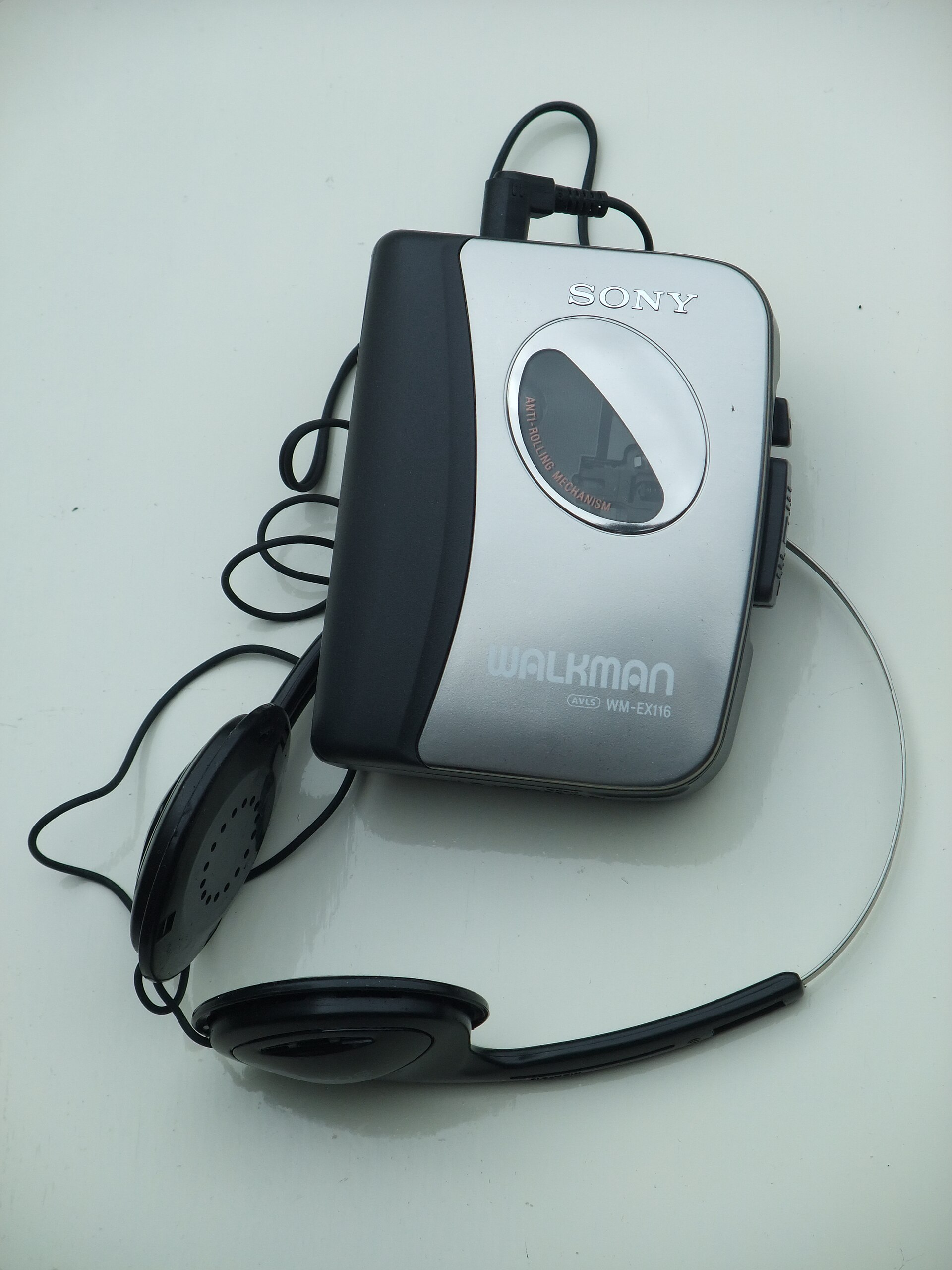
It was killed by the very idea it had created, taken further. The Discman, the MiniDisc, and finally the MP3 player and the iPod offered the same private soundtrack without the tape, the rewinding, or the limit of an album per side. Sony ended Japanese production of the cassette Walkman in 2010. The device is gone, but the habit it taught — the public solitude of headphones — is now nearly universal.
Worth remembering
- The original TPS-L2 had two headphone jacks and a 'hot line' button, so two people could share the music and talk over it — Sony assumed listening alone would feel rude.
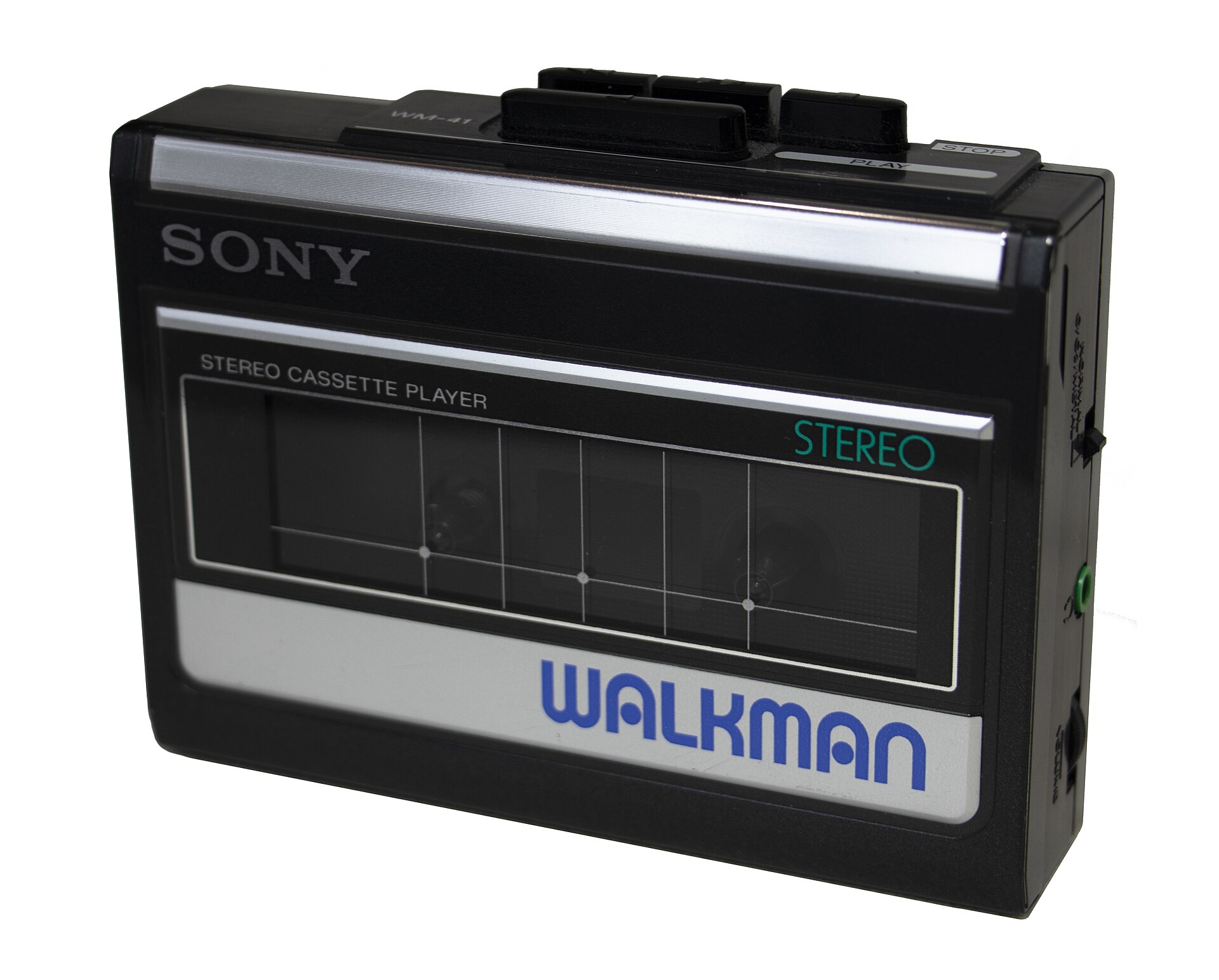
- 'Walkman' entered the Oxford English Dictionary in 1986 and became the generic word for any personal stereo.
The people
-
Akio Morita — Sony co-founder, 1921–1999
Championed and named the Walkman, betting against his own marketers that people wanted to listen alone.
-
Masaru Ibuka — Sony co-founder, 1908–1997
Asked for a small player to listen to opera on long flights — the spark for the project.
-
Nobutoshi Kihara — Engineer, "Mr. Walkman", 1926–2011
Built the original compact cassette mechanism at the heart of the device.
Gallery
Watch
Further reading
Sources
- Cassette Walkman introduced 1979; ~200 million sold; Japan production ended 2010 Wikipedia
- Sony ended production of the cassette Walkman in 2010 NPR
- The Sony Walkman TPS-L2 (1979) sold over 50,000 units in its first two months; Sony has sold over 400 million Walkman units in total, with 200 million of those being cassette players Design Museum
A graveyard tradition: leave a stone to show you came, and remembered.