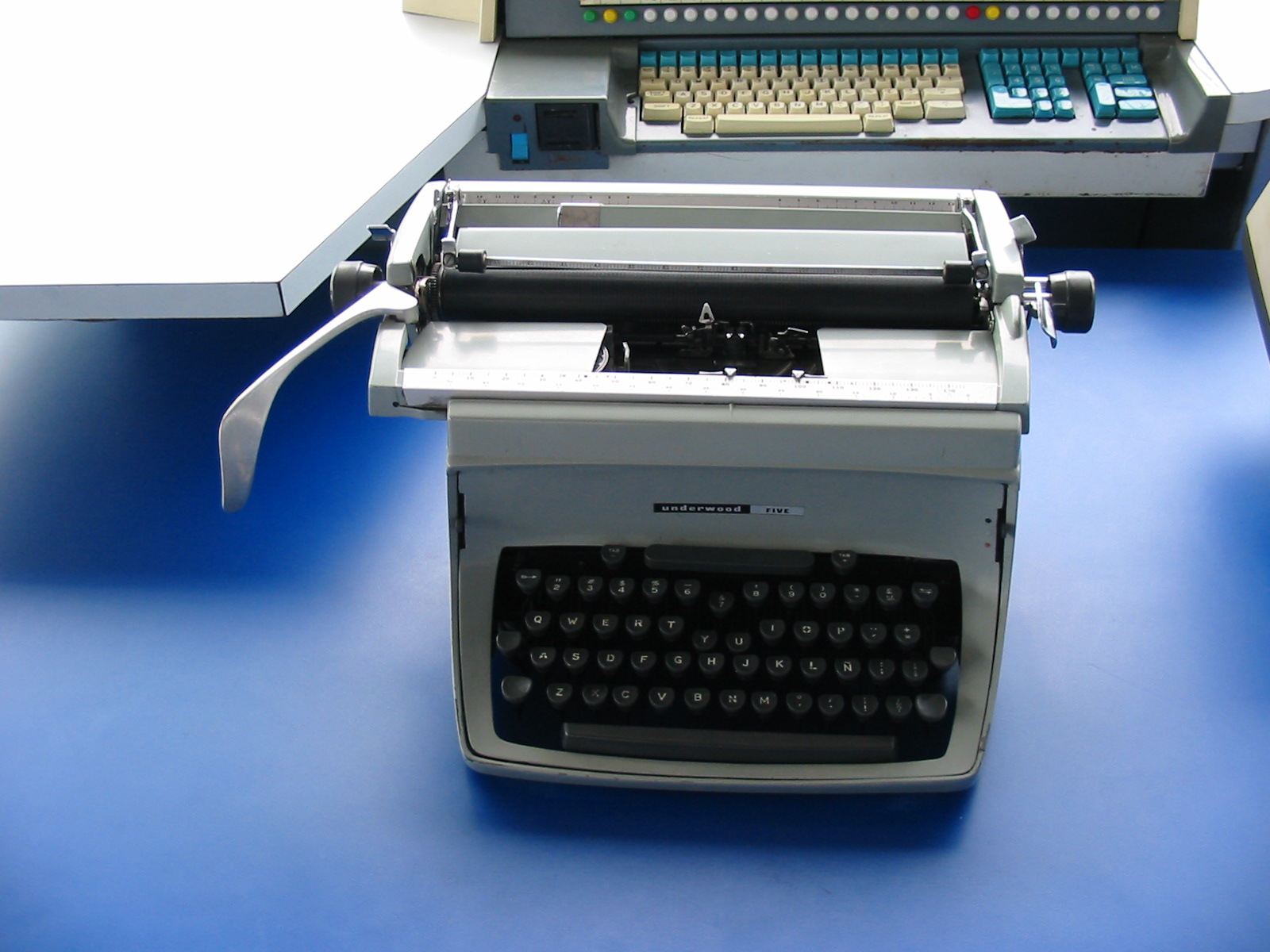
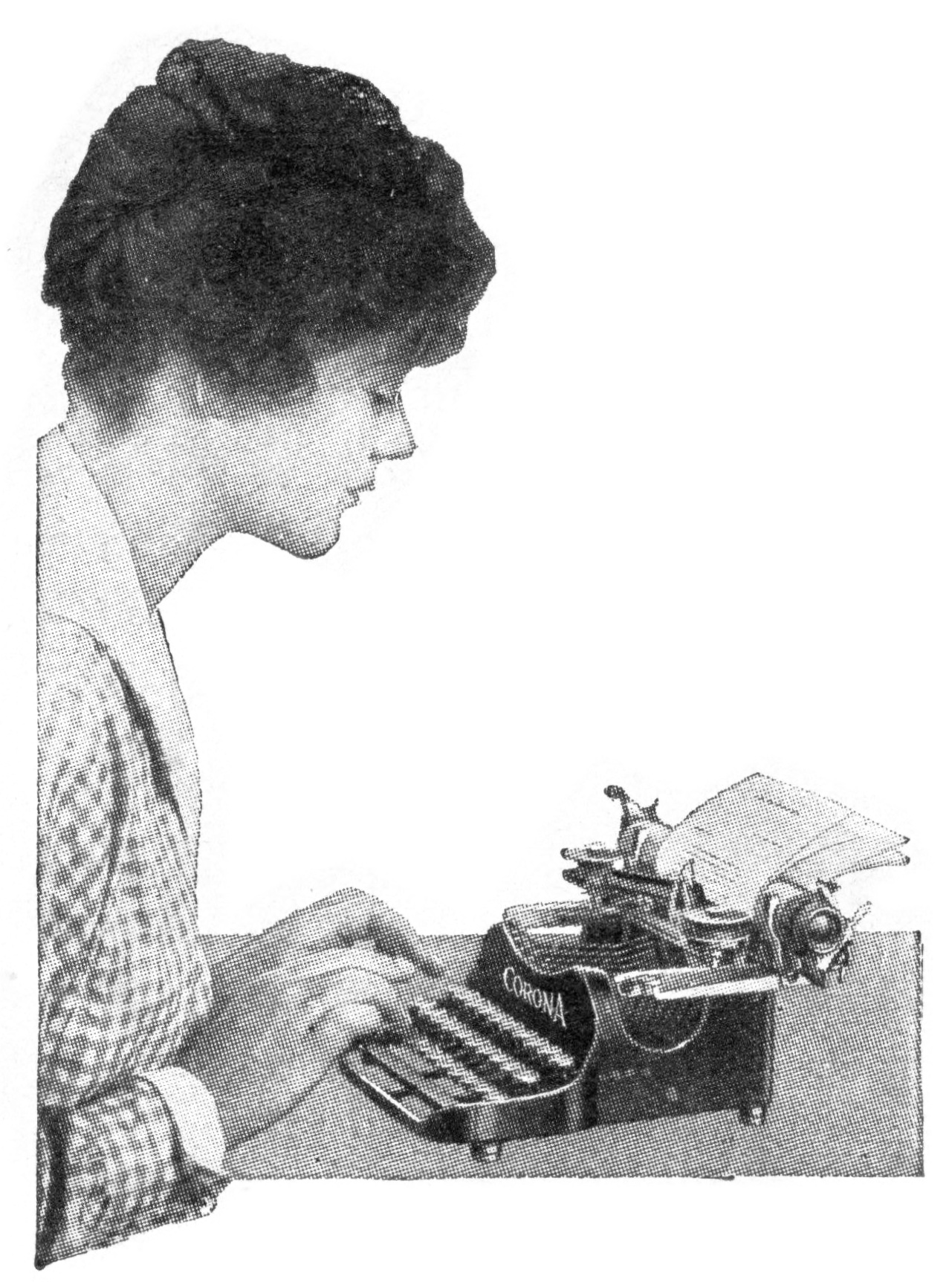
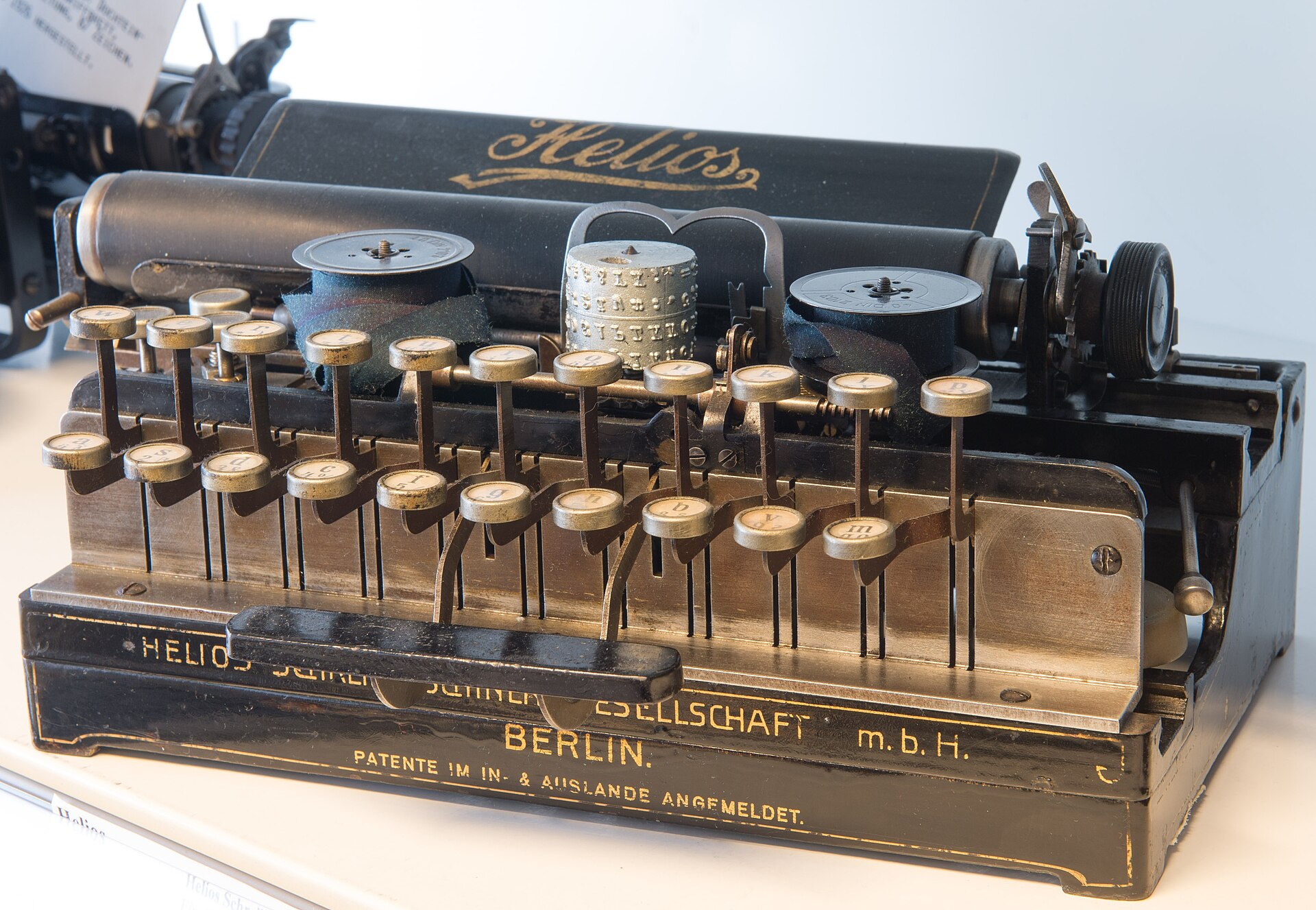
The typewriter put mechanical, uniform, professional writing on every desk for more than a century, after Christopher Latham Sholes designed its QWERTY keyboard and Remington began selling the first commercially successful Sholes & Glidden machine in 1874. It transformed offices, opened clerical work to millions of women, and gave authors a way to hand printers clean copy — Mark Twain was among the first to submit a typewritten book manuscript. It also fixed the QWERTY keyboard into civilization, a layout we still use on devices with no type bars to jam.
Its killer was the personal computer. A word processor could do everything a typewriter did and undo mistakes, store drafts, and print endlessly. Through the 1990s and 2000s the machines vanished from offices, then homes, then shop shelves. When one of the last factories still making them — Godrej & Boyce in Mumbai — wound down its line, the closure made headlines around the world in 2011. The clack of keys and the ding of the carriage return had become a sound effect, not a sound.
Worth remembering
- QWERTY was arranged in the 1870s to stop the type bars from jamming — a 150-year-old workaround your phone keyboard still uses.
- The layout hides a salesman's trick: every letter of 'TYPEWRITER' sits on the top row, so it can be typed in one quick sweep.
The people
-
Christopher Latham Sholes — Principal inventor, 1819–1890
A printer and politician who devised the QWERTY layout and sold the patent to Remington.
-
Carlos Glidden — Co-inventor, 1834–1877
The lawyer-collaborator who suggested the machine print letters, not just numbers.
Gallery
Watch
Further reading
Sources
- First commercially successful typewriter (Sholes & Glidden) on the market 1 July 1874 Wikipedia
- One of the world's last typewriter factories, Godrej & Boyce, stopped production (reported 2011) CBC News
- Remington began manufacturing the Sholes & Glidden typewriter on 1 March 1873; it featured the QWERTY layout designed to separate frequently-paired letters and could only produce uppercase text CBS News
- Christopher Latham Sholes received the first typewriter patent on 23 June 1868 Britannica
A graveyard tradition: leave a stone to show you came, and remembered.