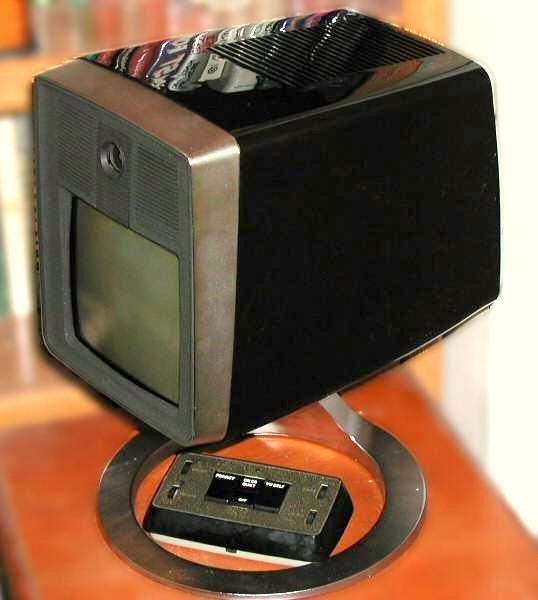
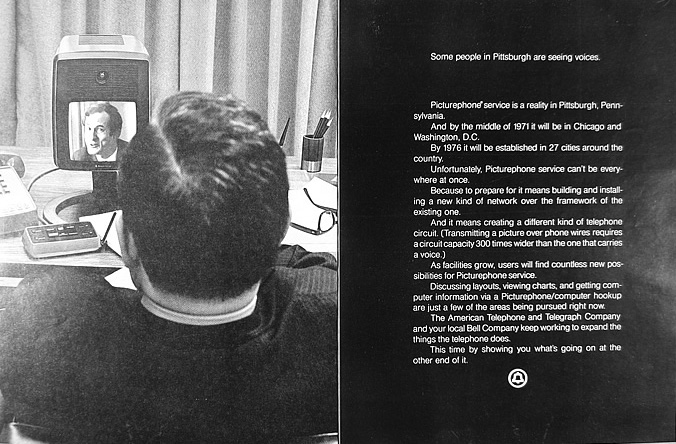
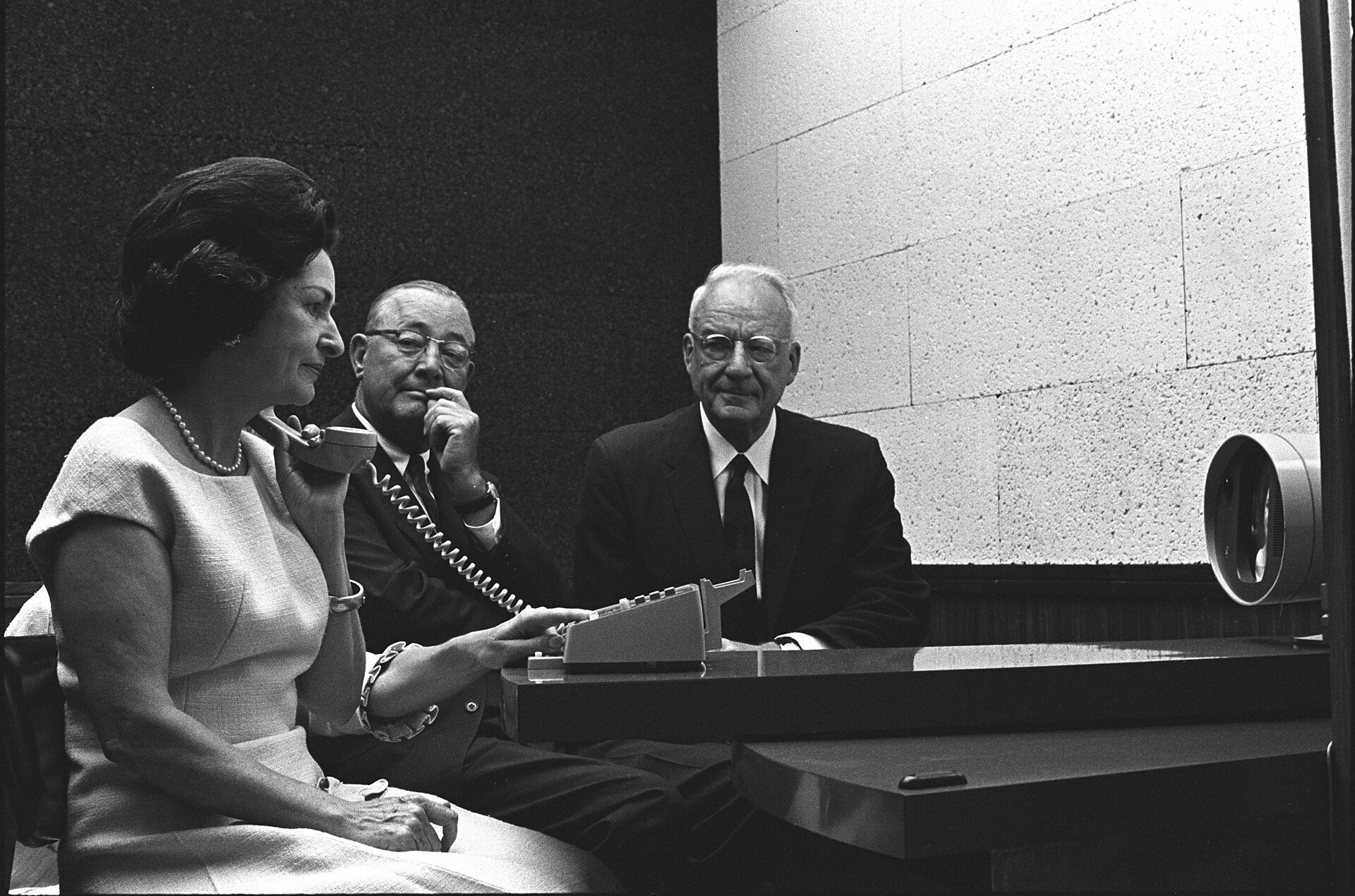
AT&T demonstrated the Picturephone at the 1964 World’s Fair as a vision of the telephonic future: a small screen above the handset showing the caller’s face in real time over ordinary telephone lines. The company spent more than $500 million developing the system before commercial launch on July 1, 1970, in Pittsburgh, where 38 units were installed across eight companies. The service allowed subscribers to see each other during calls at 30 frames per second over dedicated wideband circuits — technically impressive for its era.
The commercial failure was rapid and total. Peak subscribership was 453 users in early 1973. By the end of July 1974, five units were still in service in Pittsburgh. The barriers were structural: at $160 per month ($947 in 2012 terms) for the first unit, few businesses could justify the cost, and because so few people had Picturephones, the network effect worked in reverse — the fewer subscribers, the less reason to subscribe. AT&T eventually concluded that the Picturephone was a concept looking for a market. Video calling finally became mainstream not through the telephone network but through the internet, and not until Skype in 2003 and the smartphone era after 2007.
Worth remembering
- The commercial Picturephone service cost $160 per month for the first unit — equivalent to roughly $1,200 in 2024 dollars — plus $50 per month for each additional unit, pricing it beyond virtually any consumer or small business budget.
- AT&T's internal studies found that many users actively did not want to be seen during calls — they were in pyjamas, had not combed their hair, or simply valued the privacy of voice-only communication — a cultural finding that the company had not anticipated in 15 years of development.
Gallery
Sources
- AT&T invested over $500 million across 15 years; commercial Picturephone launched July 1, 1970; peaked at 453 customers in early 1973; by July 1974 only five units remained in service Wikipedia
- AT&T concluded their early Picturephones were 'a concept looking for a market'; service cost $160/month for first unit Wikipedia
- Germany operated the first public videophone service between Berlin and Leipzig via dedicated coaxial cables from 1936–1940 Wikipedia
A graveyard tradition: leave a stone to show you came, and remembered.