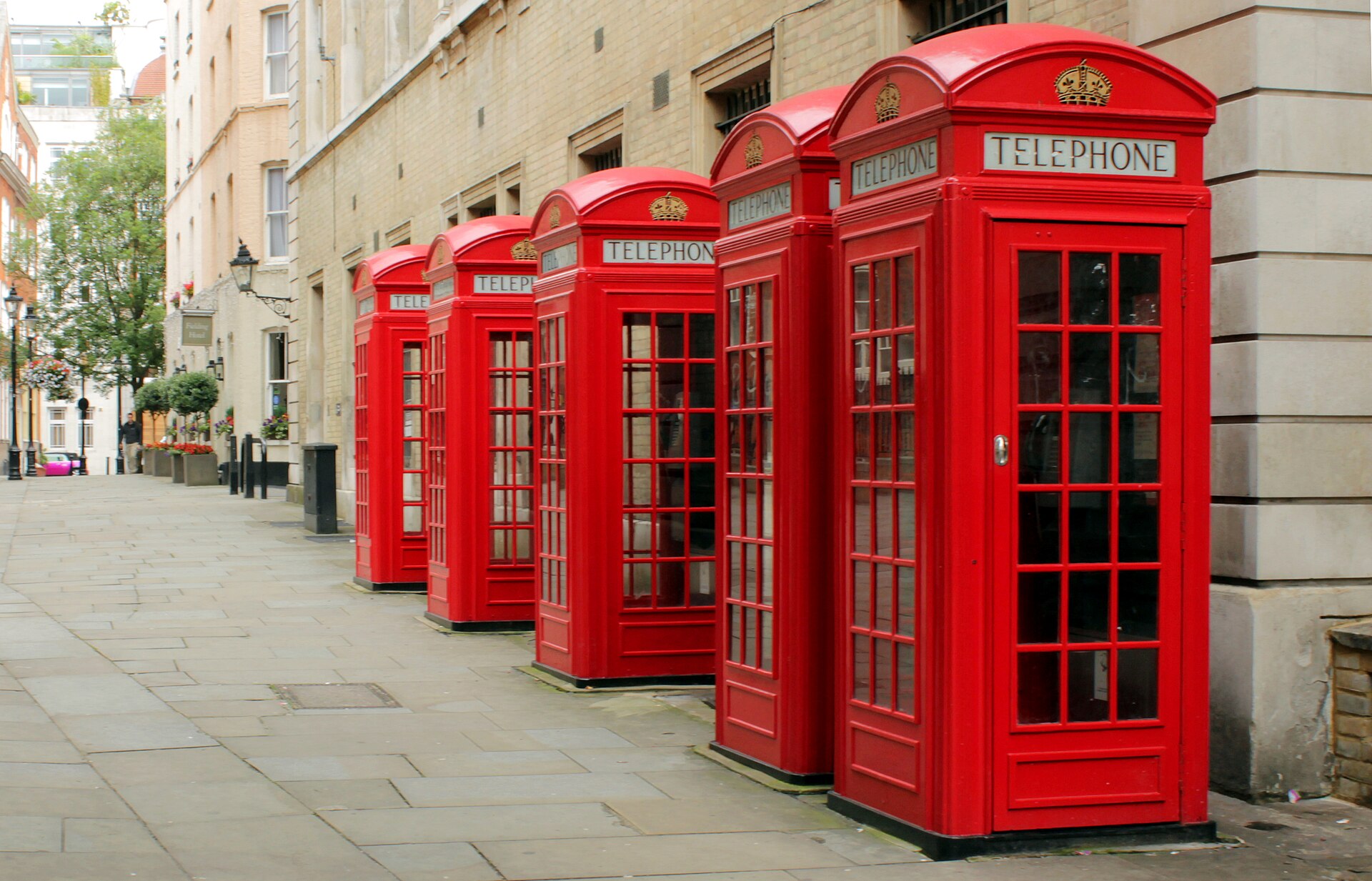
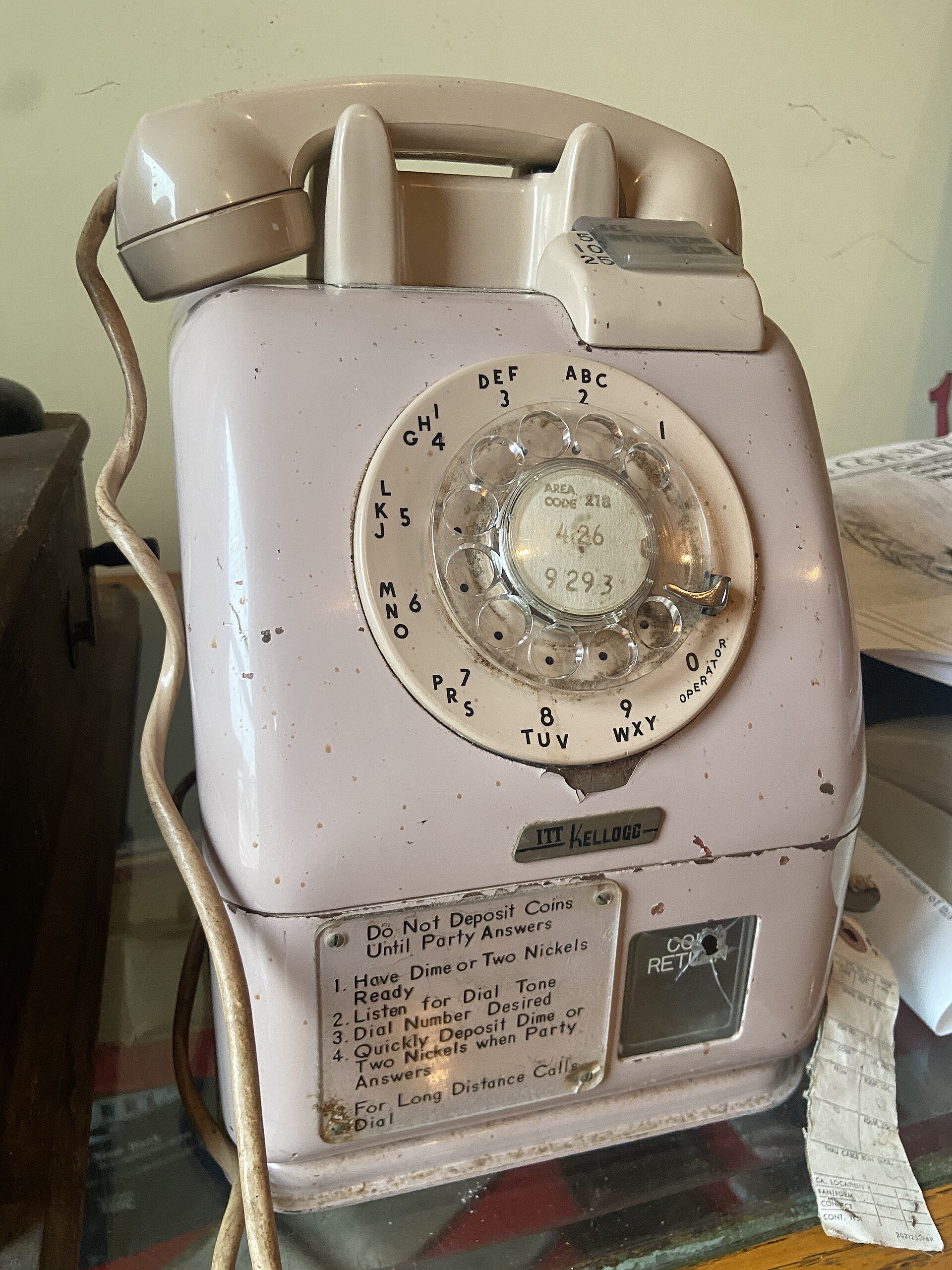
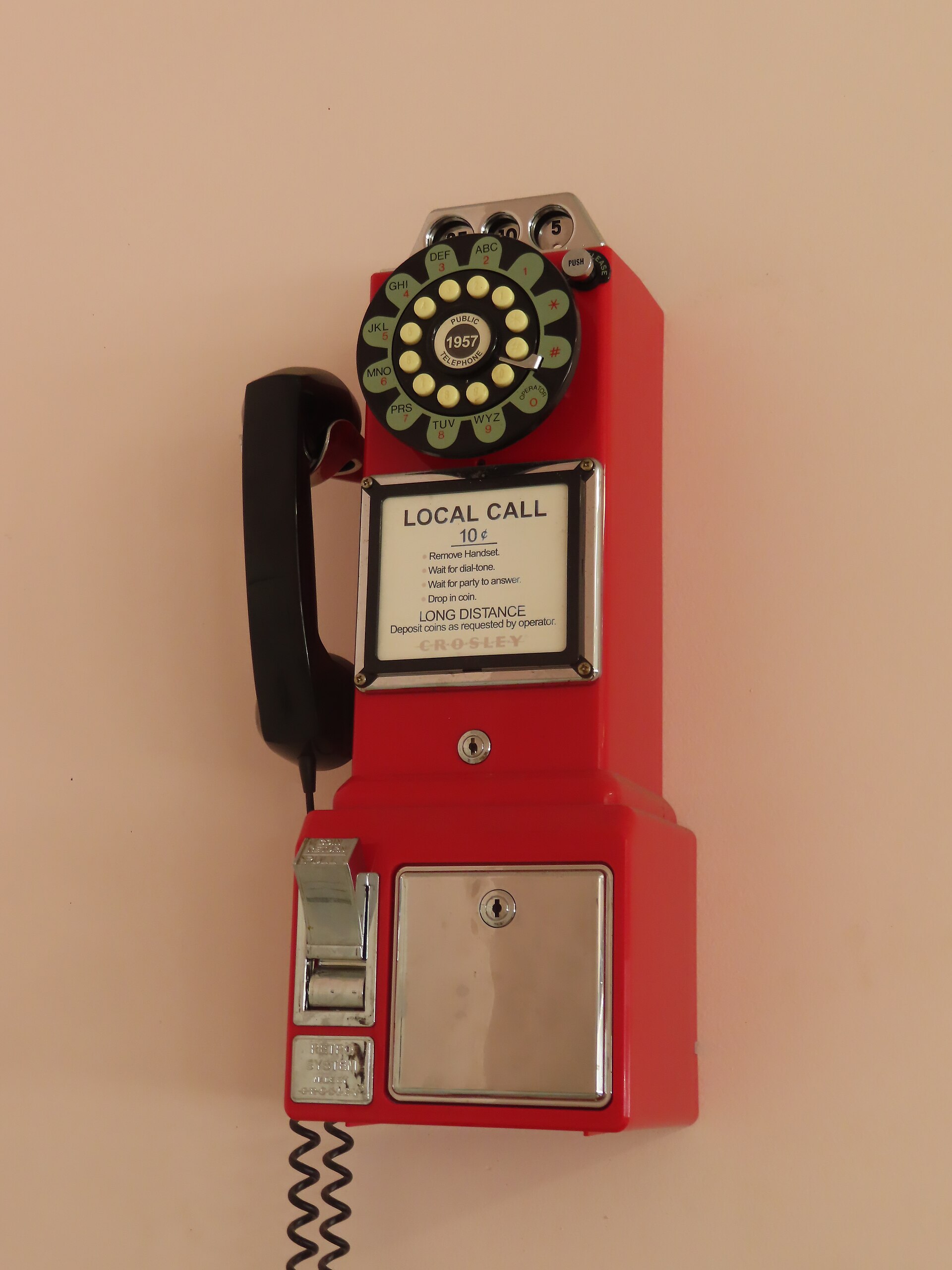
The first coin-operated telephone was installed in Hartford, Connecticut in 1889, patented by William Gray, and for most of the 20th century being out in the world meant never being far from a payphone. On street corners, in railway stations, in red boxes and silver booths, they were the public infrastructure of staying in touch — drop in a coin, dial, and reach anyone, from anywhere, for the price of a call. At the US peak in the late 1990s there were more than two million of them, and the British red kiosk had become one of the most recognised objects on Earth.
The mobile phone did not so much defeat the payphone as make it pointless. Once everyone carried their own phone, the corner box stood unused, then vandalised, then removed. US payphone numbers fell by about 95% in fifteen years; New York pulled out its last public sidewalk payphone in 2022, after once having some 30,000. A few red boxes survive — repurposed as tiny libraries, defibrillator stations, or listed heritage — fond monuments to the century when the way to reach a person was to go and stand where the phone was.
Worth remembering
- Clark Kent's phone-booth costume change debuted in a 1942 newspaper strip — the booth became a pop-culture cliché it would outlive by 80 years.
- Giles Gilbert Scott's red K6 box was painted 'currant red' to be spotted from a distance; over 65,000 were built and many are now heritage-listed.
The people
-
William Gray — Inventor of the coin-operated telephone, 1850–1903
Patented the coin-controlled telephone in 1889 and founded the Gray Telephone Pay Station Company.
-
Sir Giles Gilbert Scott — Designed the red British phone box, 1880–1960
His K2 and K6 kiosks turned the humble call box into a global design icon.
Gallery
Further reading
Sources
- US payphones peaked above 2 million in the late 1990s and fell ~95% by 2016 Wikipedia
- The pay phone's journey from patent to urban relic Smithsonian Magazine
- New York City removed its last public sidewalk payphone in 2022, having once had 30,000; U.S. payphones peaked at 2.1 million in 1999. Slate
A graveyard tradition: leave a stone to show you came, and remembered.