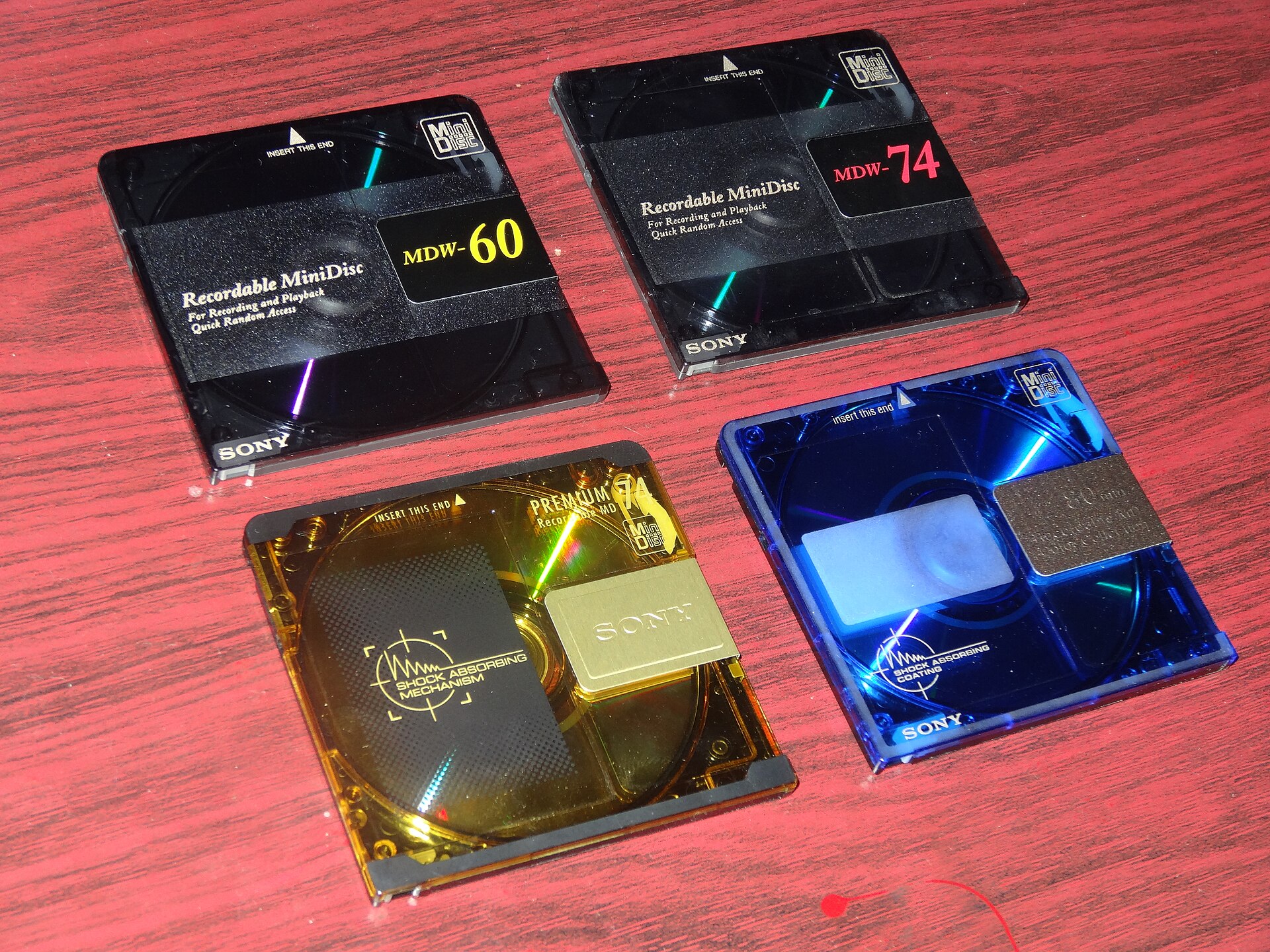
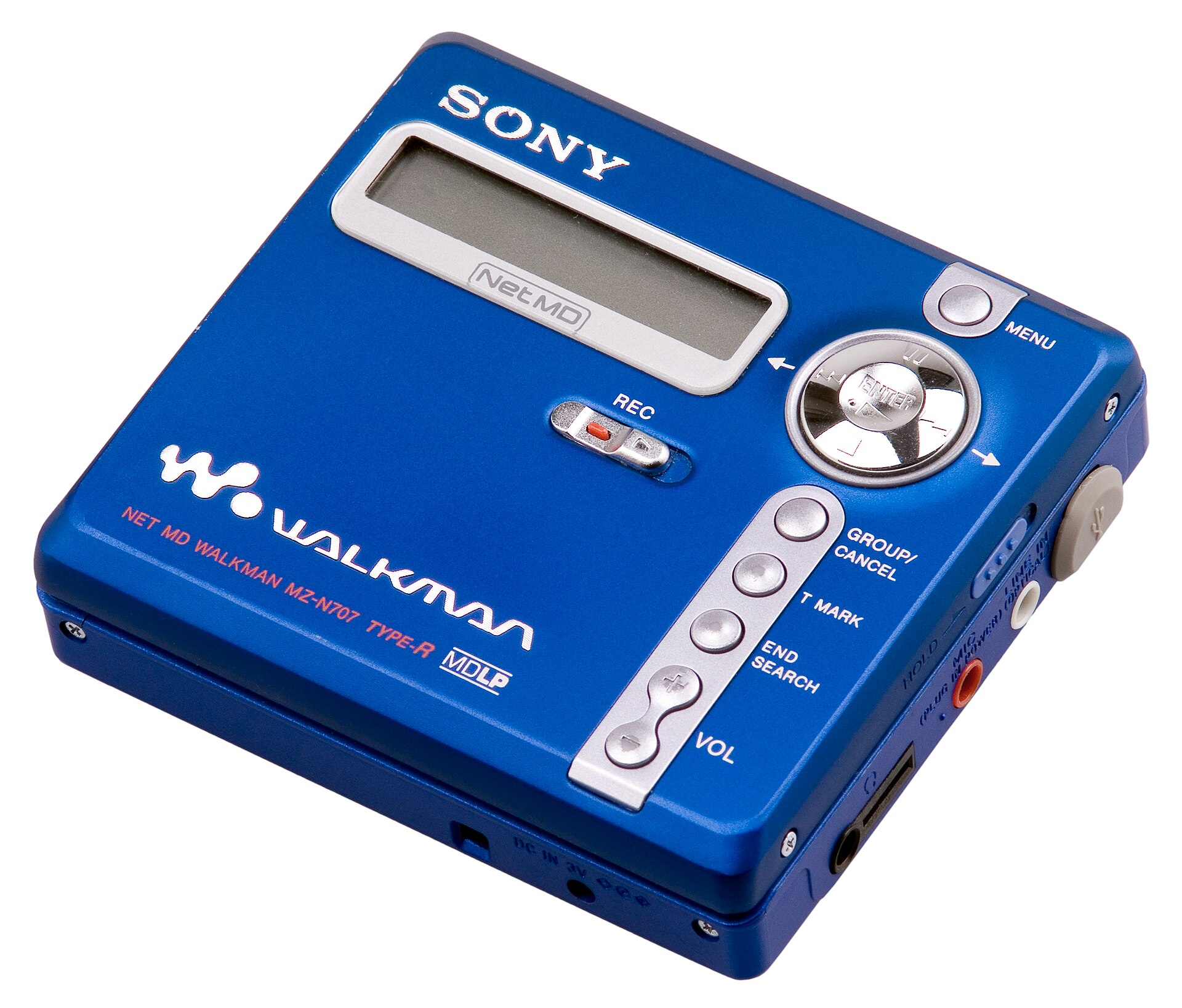
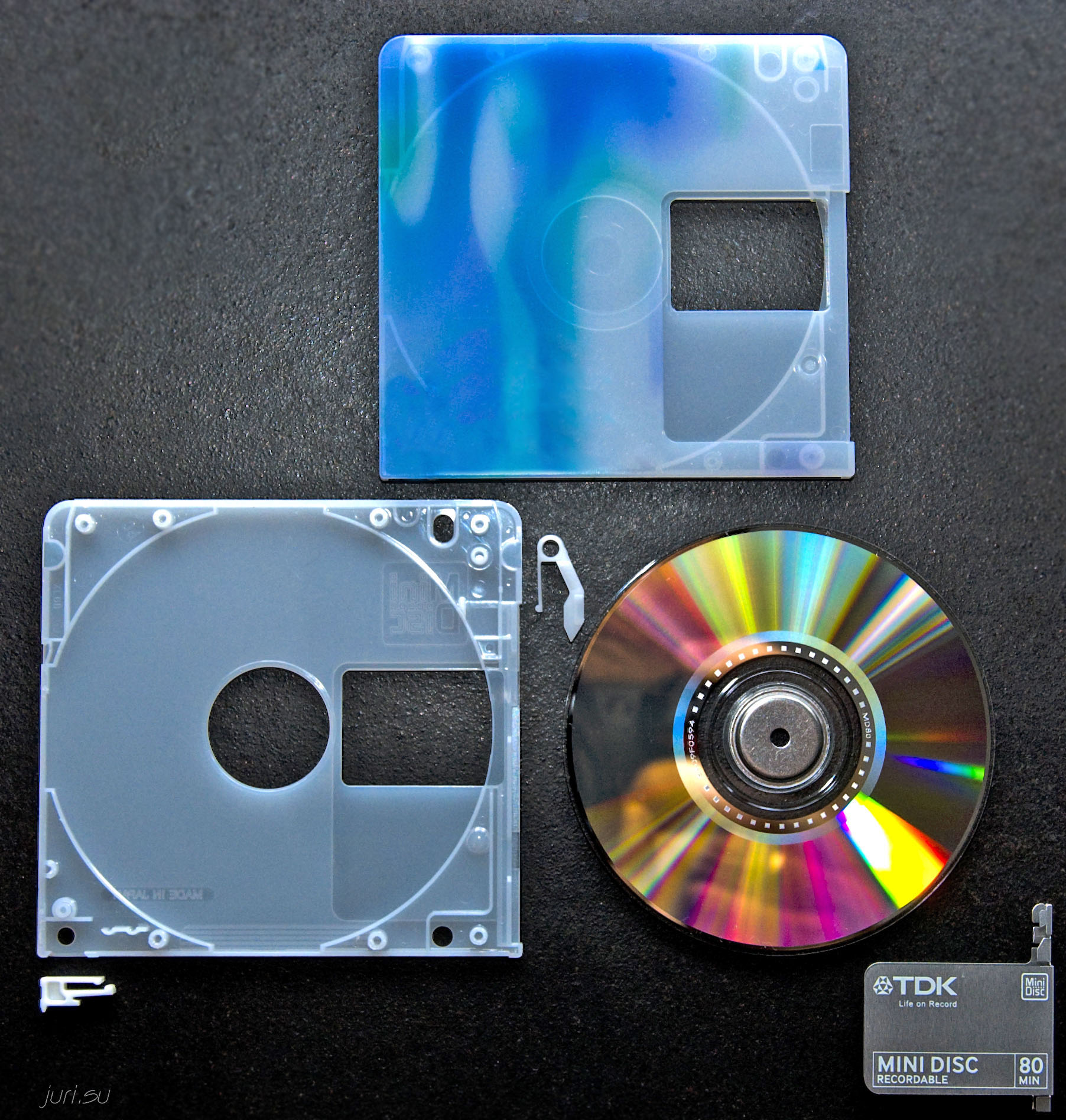
The MiniDisc should have won. When Sony launched it in 1992 it was a genuinely elegant piece of engineering: a small magneto-optical disc in a protective shell that was re-recordable like a cassette, random-access like a CD, and — thanks to a memory buffer — completely skip-proof at a time when portable CD players still stuttered if you jogged. In Japan it found a devoted following, and Sony sold around 22 million MiniDisc players by 2011.
Its problem was timing. The MiniDisc was a better physical format arriving exactly when physical formats were about to stop mattering. Within a few years, MP3 files and flash memory let people carry a thousand songs with no disc at all, and Apple’s iPod turned that into a mass phenomenon. The MiniDisc never crossed over in the West, and Sony stopped shipping players in 2013. It is the purest example in this wing of a technology that wasn’t beaten by a worse rival or its own mistakes — it was simply overtaken by a different idea of what music even was.
Worth remembering
- It was shock-proof years before solid-state players existed, buffering audio in memory so it never skipped when you jogged.
- A cult favourite in Japan that never broke through in the West — beloved by the few who owned one, ignored by nearly everyone else.
The people
-
Norio Ohga — Sony president who championed digital audio, 1930–2011
A trained opera singer who drove Sony's CD and MiniDisc programs.
-
Kees Schouhamer Immink — Coding engineer, b. 1946
His coding methods underpinned the CD and the MiniDisc's magneto-optical recording.
Gallery
Watch
Further reading
Sources
- Sony launched MiniDisc in 1992 and ceased player shipments in 2013; ~22 million MD players sold by 2011 Wikipedia
- The rise and fall of recordable physical media IEEE Spectrum
- MiniDiscs came in protective plastic housing making them nearly scratch-proof; Sony did not officially stop shipping MiniDisc devices until 2013, but the format never broke through in North America partly because pre-recorded albums were almost unavailable outside Japan Gizmodo
A graveyard tradition: leave a stone to show you came, and remembered.