From Pascal's 1642 Pascaline to the hand-cranked Curta, a clattering case of gears that ground out sums and products, until a pocket of silicon did it silently.
Born
1642 CE
Died
1975 CE
Lived
333 years
Dead for
51 yrs
At its peak
Standard tool of accounting and engineering offices for centuries
Cause of death
Replaced
Replaced by
The electronic pocket calculator
The Obituary
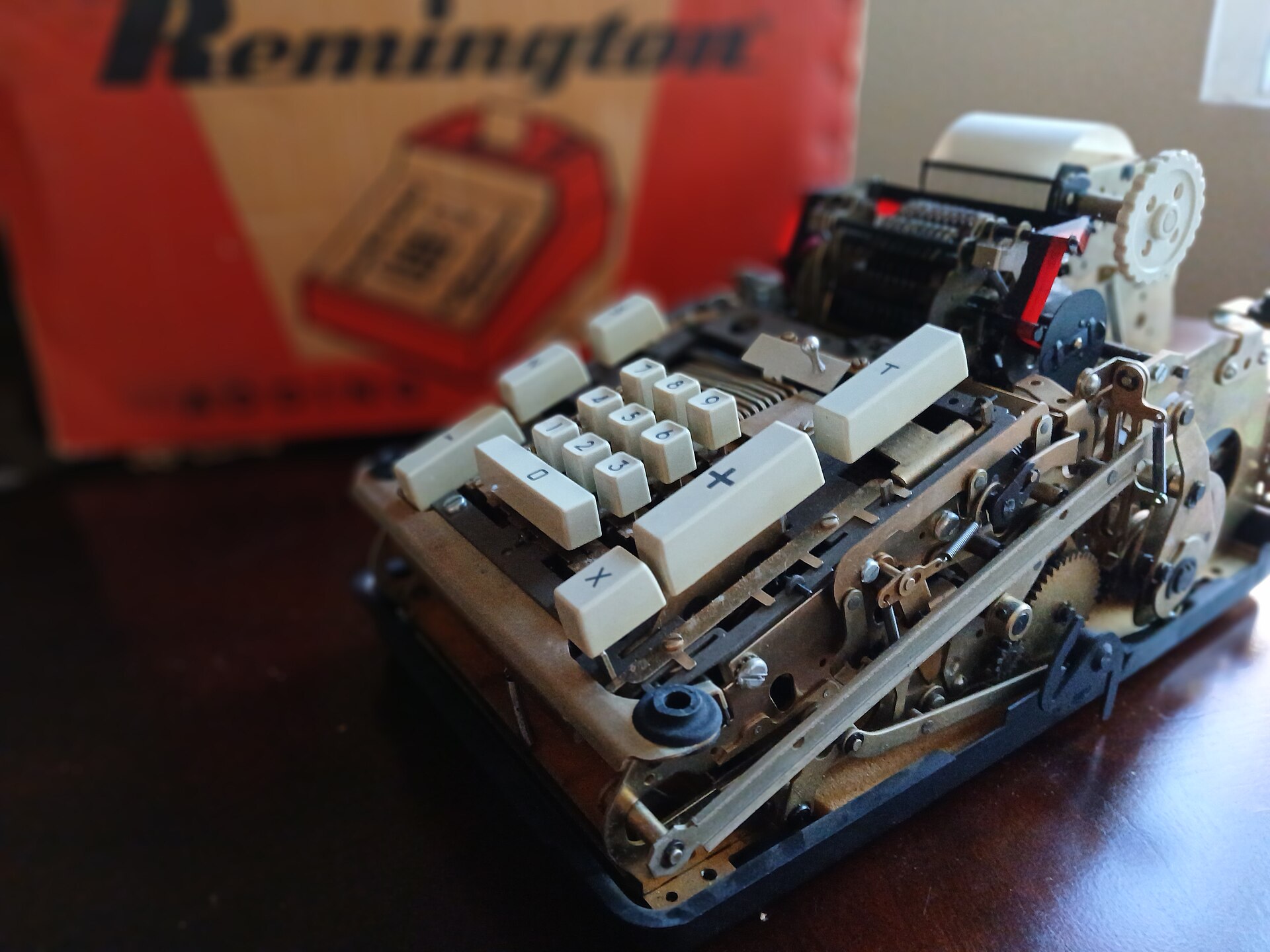
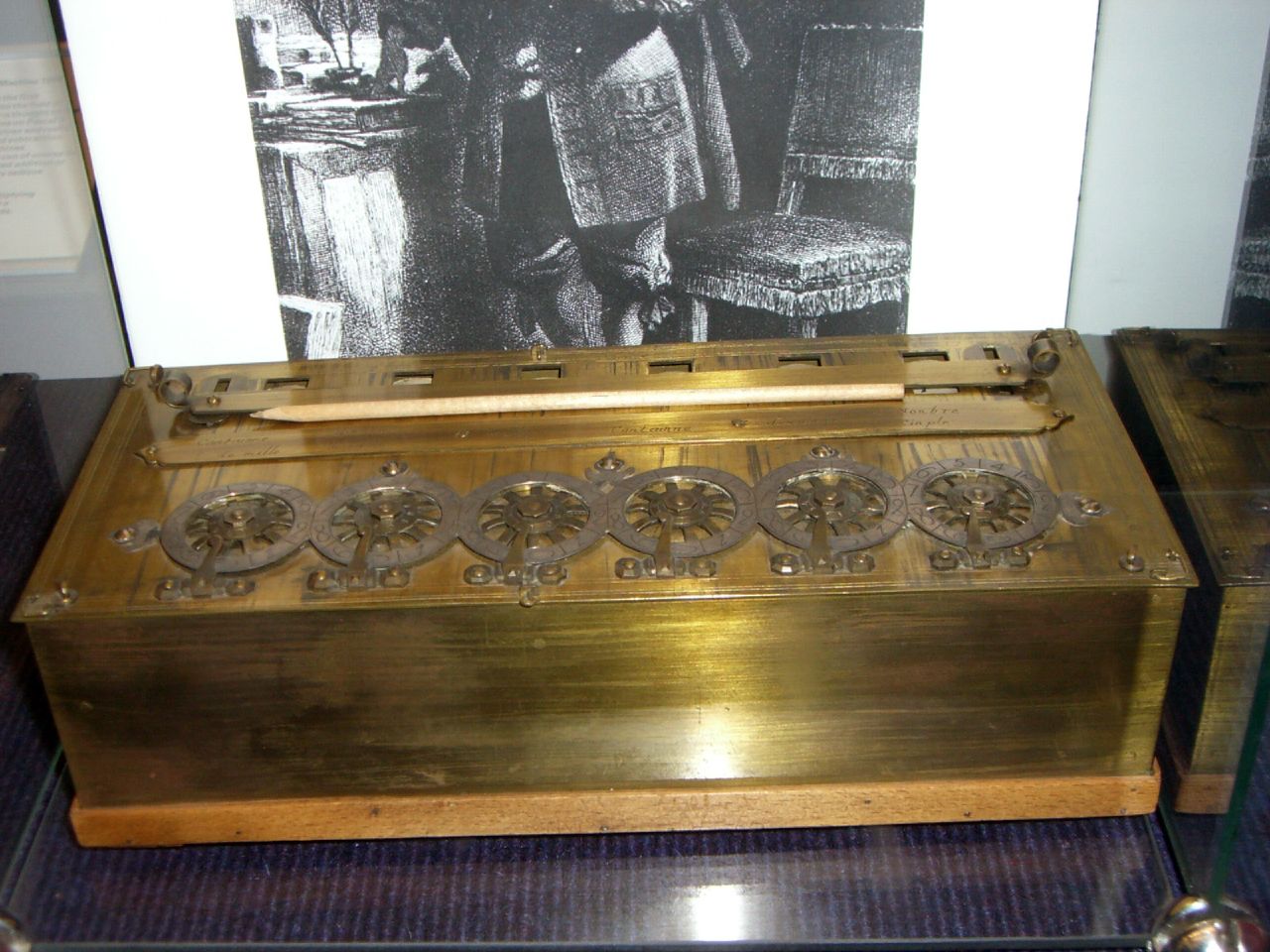
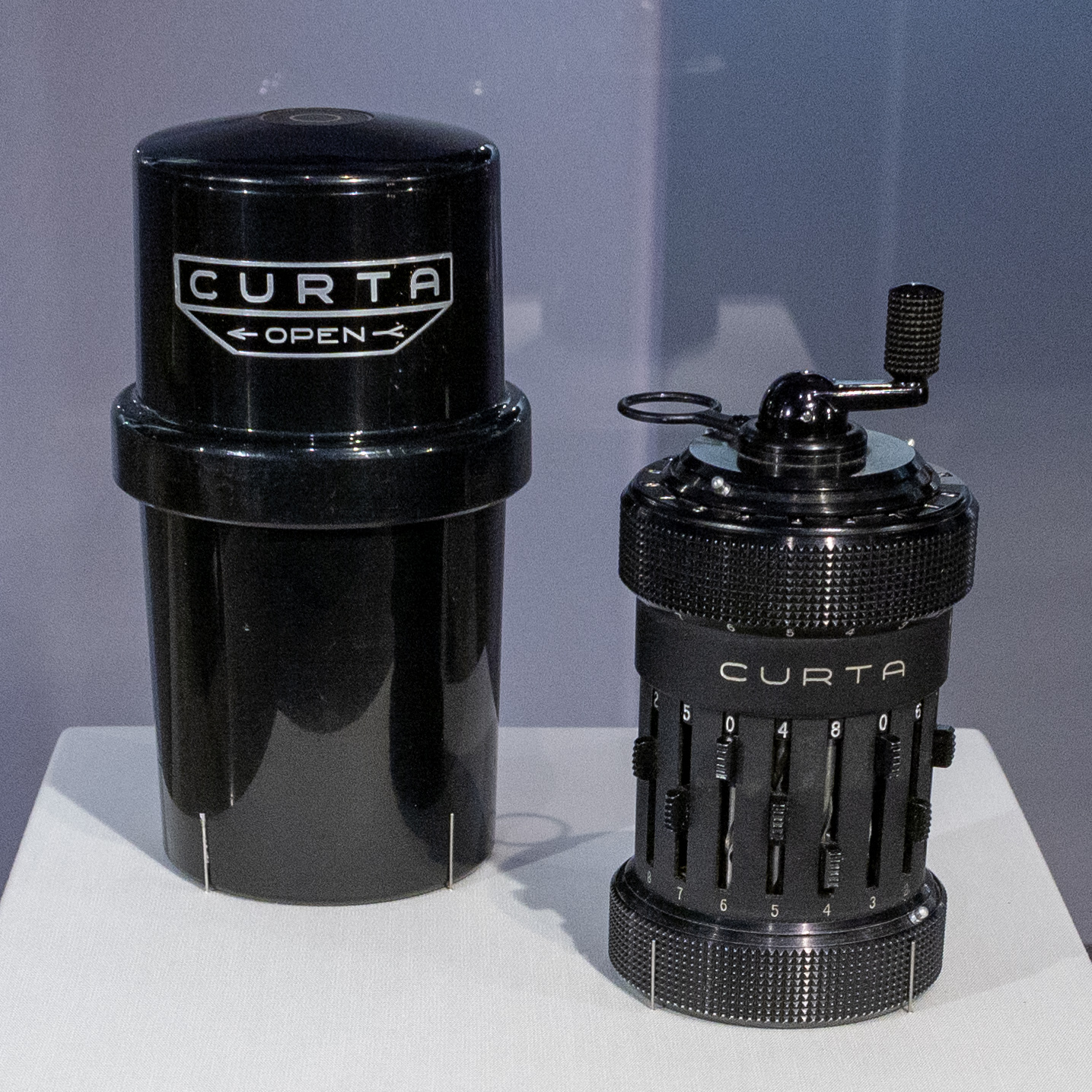
For three centuries arithmetic was done by machinery of brass and steel. Blaise Pascal built his geared adding machine, the Pascaline, in 1642 at nineteen to ease his father’s tax accounts, and Leibniz extended it to multiplication. Successors filled offices: hand-cranked and motorized calculators that summed columns and worked out products through interlocking wheels, clattering as they carried digits. The pinnacle, the pocket-sized Curta, packed the mechanism into a hand-held cylinder turned like a pepper grinder. Then the electronic calculator arrived in the early 1970s — silent, faster, and soon cheaper — and the gears fell still almost overnight.
Worth remembering
Blaise Pascal built his adding machine at nineteen to help his tax-collector father.
The Curta, a handheld cylinder nicknamed the 'pepper grinder', was prized into the 1970s.
Gallery
A Pascaline, Blaise Pascal's mechanical adding machine of the 1640sMirko Tobias Schaefer · CC BY-SA 2.0A Curta hand-crank mechanical calculator, 1950s-60s, at the Computer History MuseumThe wub · CC BY-SA 4.0
Sources
Pascal built a mechanical calculator in 1642; Leibniz improved it Wikipedia
Electronic calculators displaced mechanical models in the early 1970s Wikipedia
Blaise Pascal built the Pascaline adding machine in the 1640s to help his tax-collector father; about 50 were made, the first mechanical calculator produced in any quantity. Computer History Museum
A graveyard tradition: leave a stone to show you came, and remembered.
Buried nearby — by shared fate or a neighbouring lifespan.