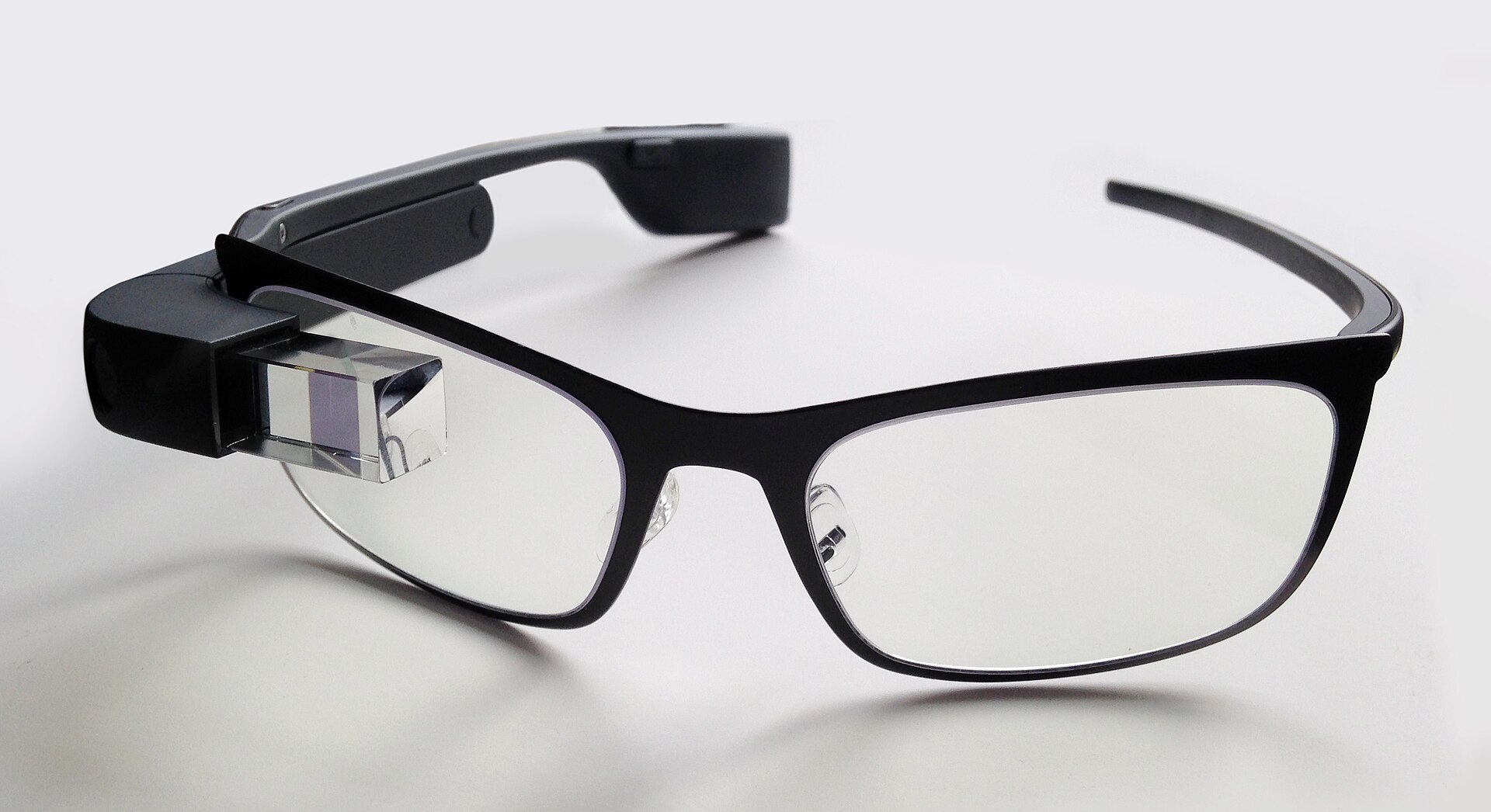
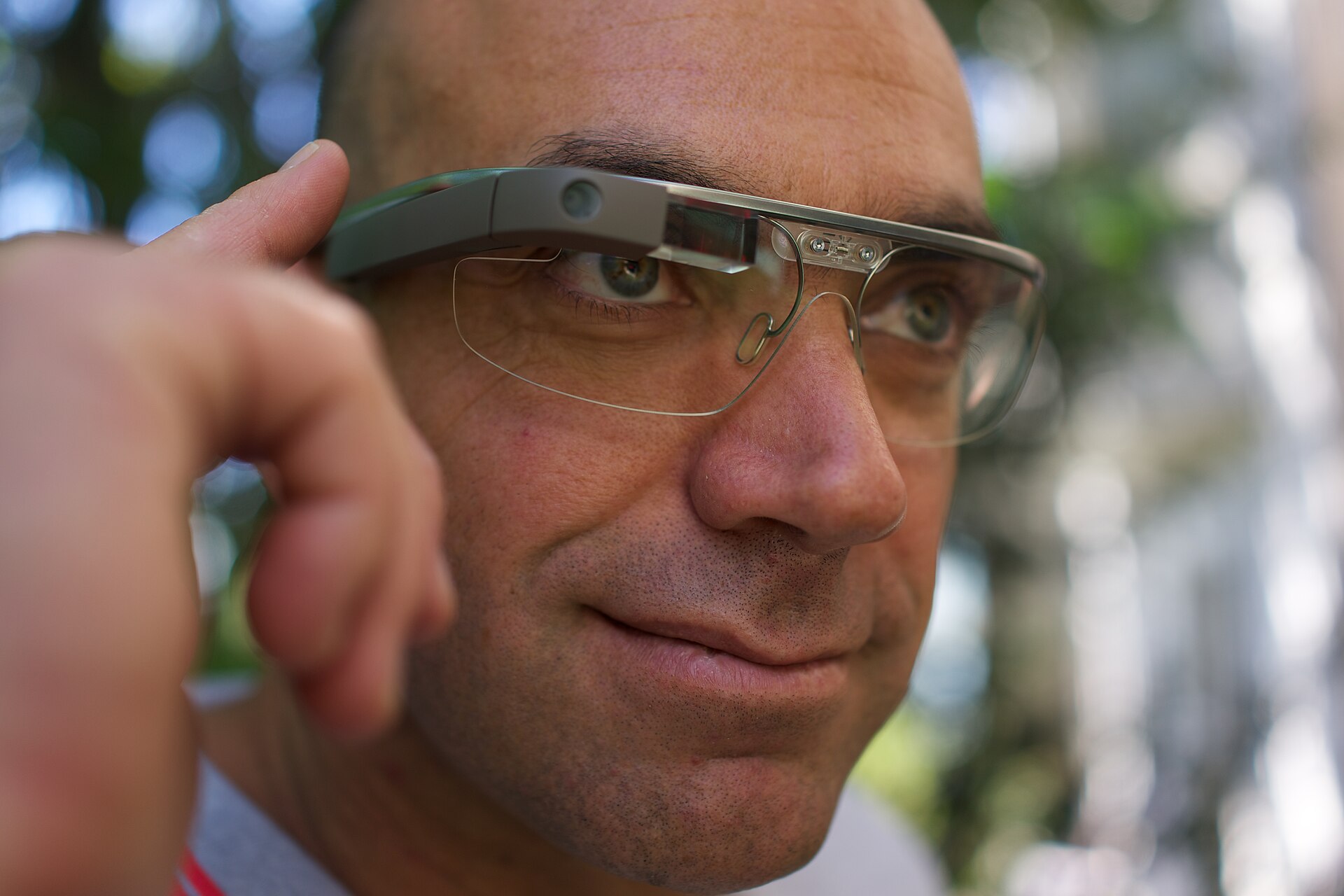
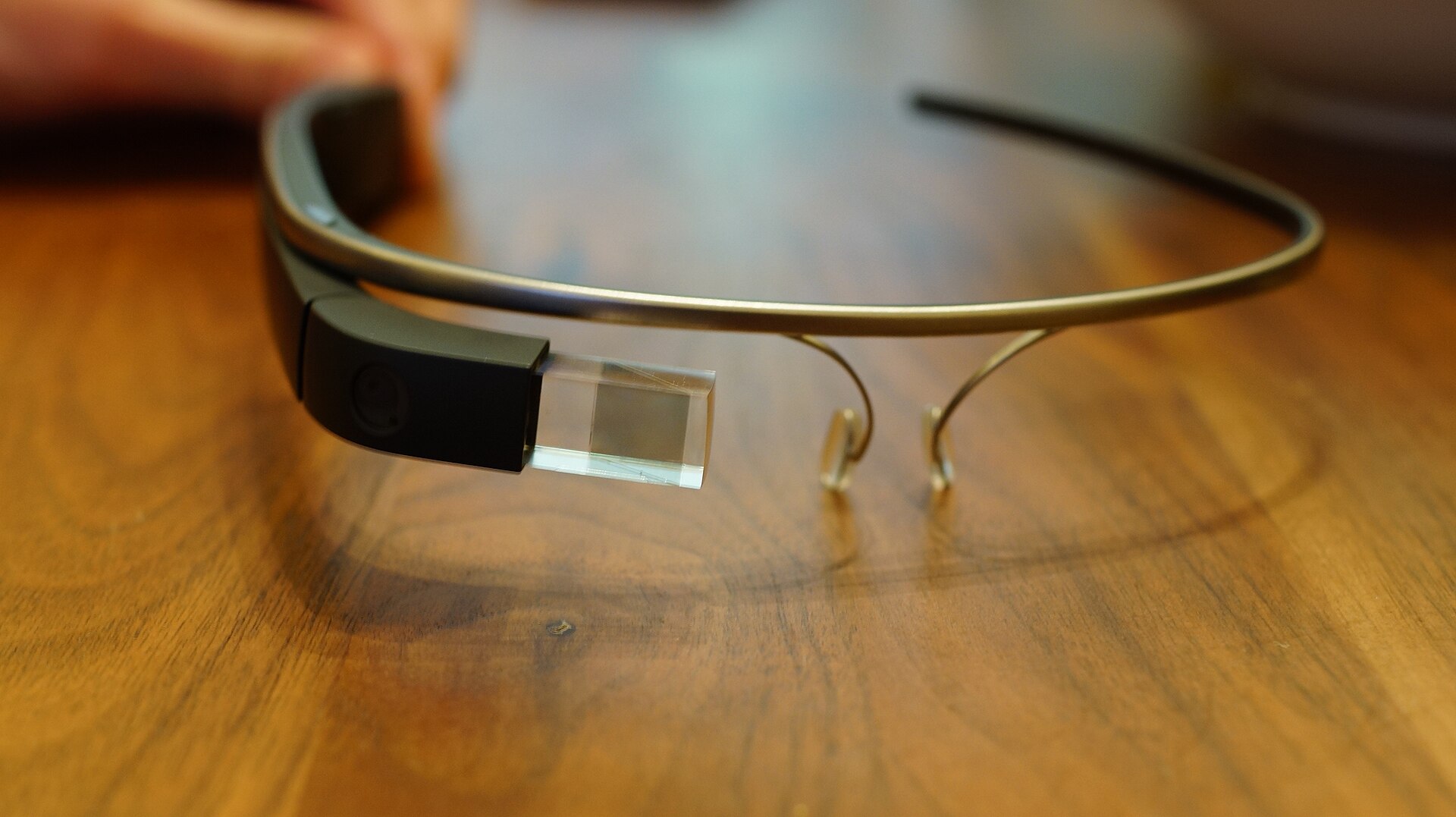
Google Glass, first demonstrated as Project Glass at Google I/O 2012, put a tiny screen, camera, and computer on a pair of spectacles, projecting notifications and directions into the wearer’s field of view. Released to developers in 2013 for $1,500, it was meant to be the next personal-computing platform. The hardware worked, but the social cost was fatal: the head-mounted camera could record anyone at any time, getting wearers banned from bars and branded “glassholes.” Google ended the consumer Explorer program in 2015 and pivoted Glass to factories and warehouses, where hands-free displays made sense. Even that enterprise version was discontinued, with sales ending on March 15, 2023.
Worth remembering
- Its always-on camera triggered privacy bans in bars and cinemas and the term 'glasshole'.
- After the consumer flop, it found a second life on factory and warehouse floors.
Gallery
Watch
Sources
- Google Glass Explorer Edition launched 2013; sales ended March 2023 Wikipedia
- Consumer Explorer program ended in January 2015 Wikipedia
- Google ended sales of Glass Enterprise Edition on 15 March 2023, with software support continuing only until 15 September 2023. The Register
- Google ended the consumer Glass Explorer program in January 2015 after wearers were banned from some venues and mocked as 'glassholes,' then pivoted to an enterprise edition. 9to5Google
A graveyard tradition: leave a stone to show you came, and remembered.