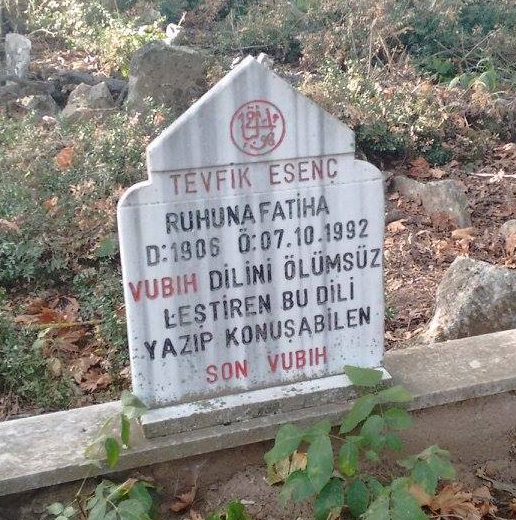
Ubykh is the language linguists reach for when they want to show how strange human speech can get. It had roughly eighty consonants — among the largest inventories ever documented — and only two or three vowels, a sound system so dense that outsiders could barely hear the distinctions, let alone make them.
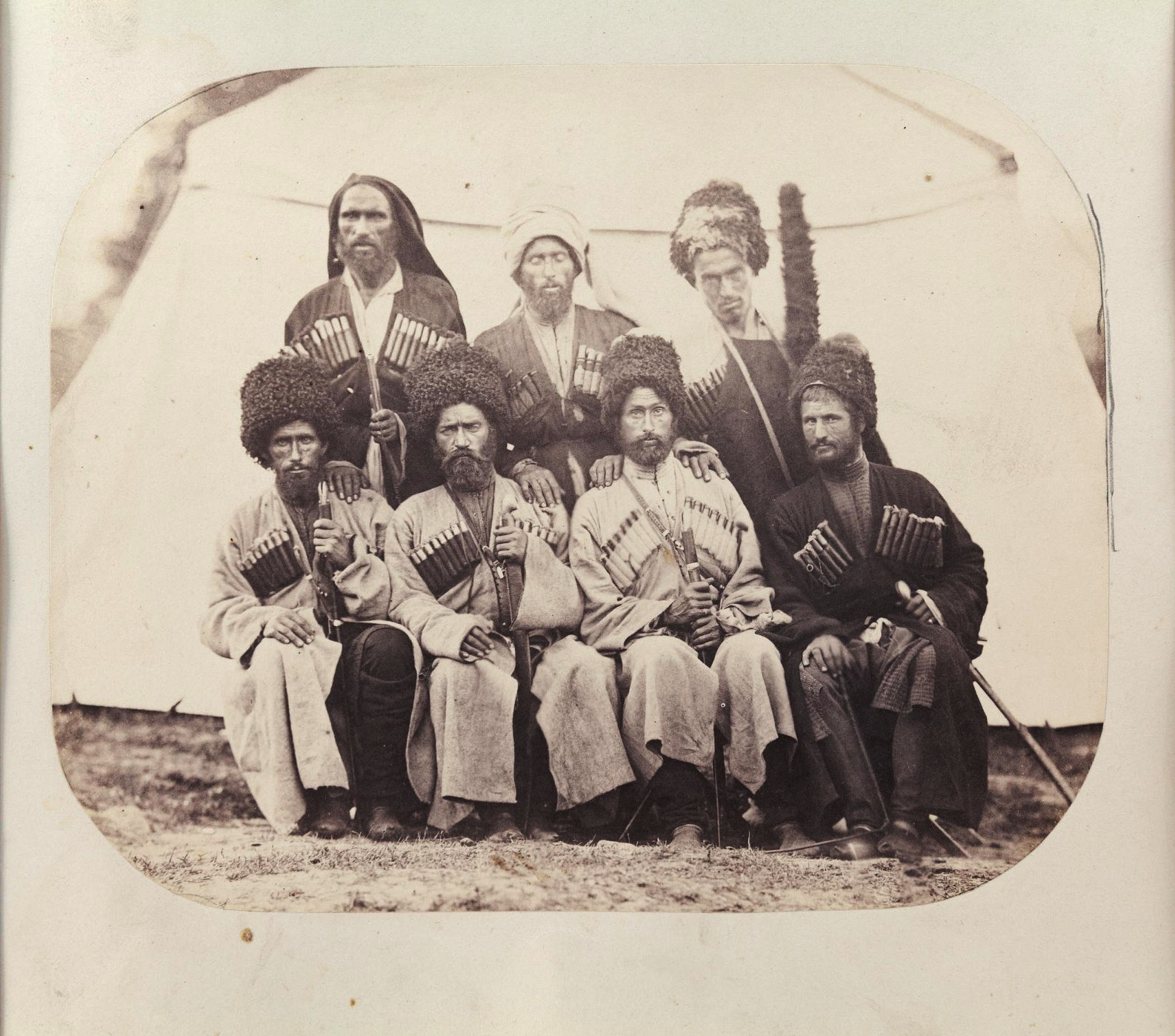
Its speakers were Circassians of the northwest Caucasus, expelled en masse to the Ottoman Empire after the Russian conquest of 1864. Scattered among Turkish villages, the language had no homeland and no schools, and it faded over four generations. The last fluent speaker, Tevfik Esenç, lived in Hacıosman near the Sea of Marmara. A careful, patient man with an extraordinary memory, he spent years dictating his language to linguists — most famously Georges Dumézil — so that it would survive on paper. He died on 7 October 1992, and the eighty consonants went with him.
Worth remembering
- It had around 80 consonants and as few as two vowels — one of the most lopsided sound systems ever documented in a human language.
- Its last speaker, Tevfik Esenç, had so precise a memory that linguists treated him as a living archive, recording his speech for decades.
- Its speakers were Circassians of the Northwest Caucasus, expelled to the Ottoman Empire after the Russian conquest of 1864; the language died out four generations later in Turkish villages.
Gallery
Sources
- Ubykh had ~80+ consonants; last fluent speaker Tevfik Esenç died 1992 Wikipedia
- Tevfik Esenç, last fluent speaker, worked with linguists to document Ubykh Wikipedia
- Ubykh belongs to the Northwest Caucasian family; its speakers were expelled from the Caucasus to the Ottoman Empire in 1864 and the language faded over four generations in Turkish villages with no schools or homeland to sustain it. Encyclopaedia Britannica
A graveyard tradition: leave a stone to show you came, and remembered.