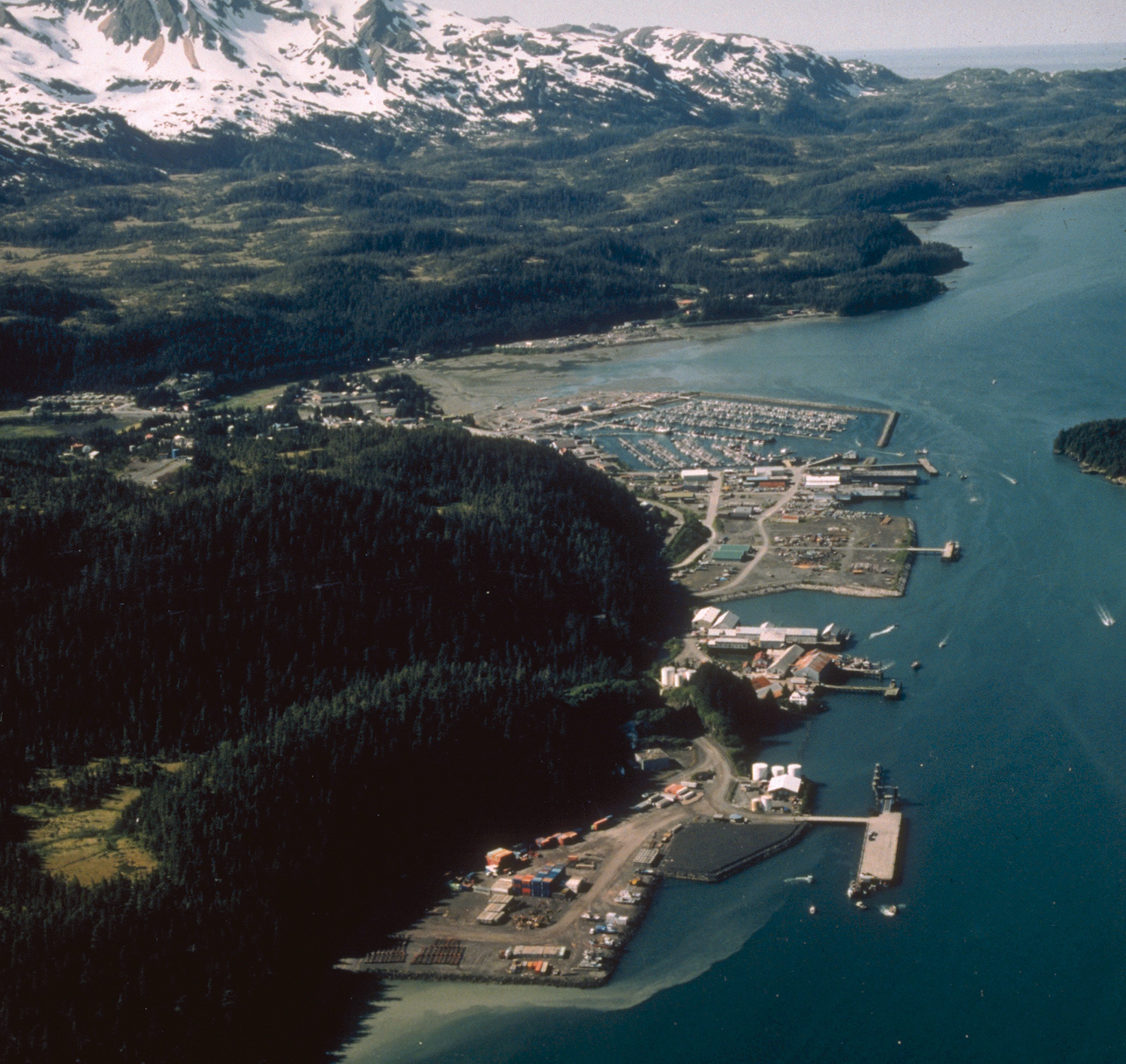
Eyak was spoken for centuries around the Copper River delta on the Gulf of Alaska, a language wedged between the Tlingit and the Athabaskan tongues and quite unlike either. By the 20th century it was already cornered — children were schooled in English, and the number of fluent speakers fell year by year to a handful, then to one.
That one was Marie Smith Jones, born in 1918, the last full-blooded Eyak. She spent her final decades as the sole living speaker of her own language, working with the linguist Michael Krauss to record what she carried so it would not vanish entirely. When she died on 21 January 2008, Eyak became, in the usual phrase, a dead language — though “death” understates it. For years before the end it had no one left to talk to.
Worth remembering
- Marie Smith Jones, its last speaker, was also a peace and environmental activist who once addressed the United Nations.
- Eyak sat between the Tlingit and Athabaskan languages and matched neither — its own branch of the Eyak–Athabaskan family, now a branch with no leaves.
Gallery
Sources
- Eyak language; last native speaker Marie Smith Jones died 2008 Wikipedia
- Marie Smith Jones, last full-blooded Eyak and last native speaker Wikipedia
- Marie Smith Jones, the last fluent Eyak speaker, died 21 January 2008 aged 89 in Anchorage; she was the last person to have learned Eyak the traditional way, from her parents, and worked with linguist Michael Krauss beginning in 1962. NPR
- With Marie Smith Jones's death in January 2008, the Eyak language became extinct; her older sister, also a speaker, had died in the early 1990s, leaving Jones the sole traditional speaker for over a decade. Alaska Public Media
A graveyard tradition: leave a stone to show you came, and remembered.