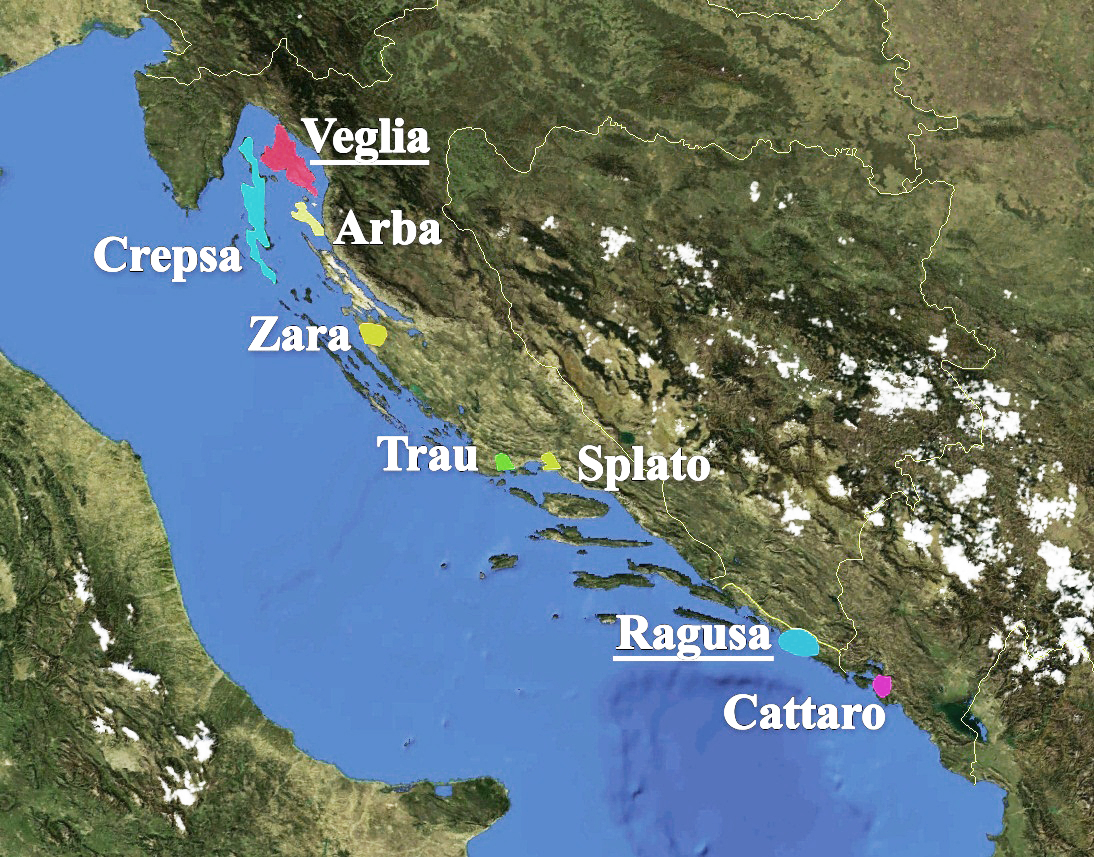
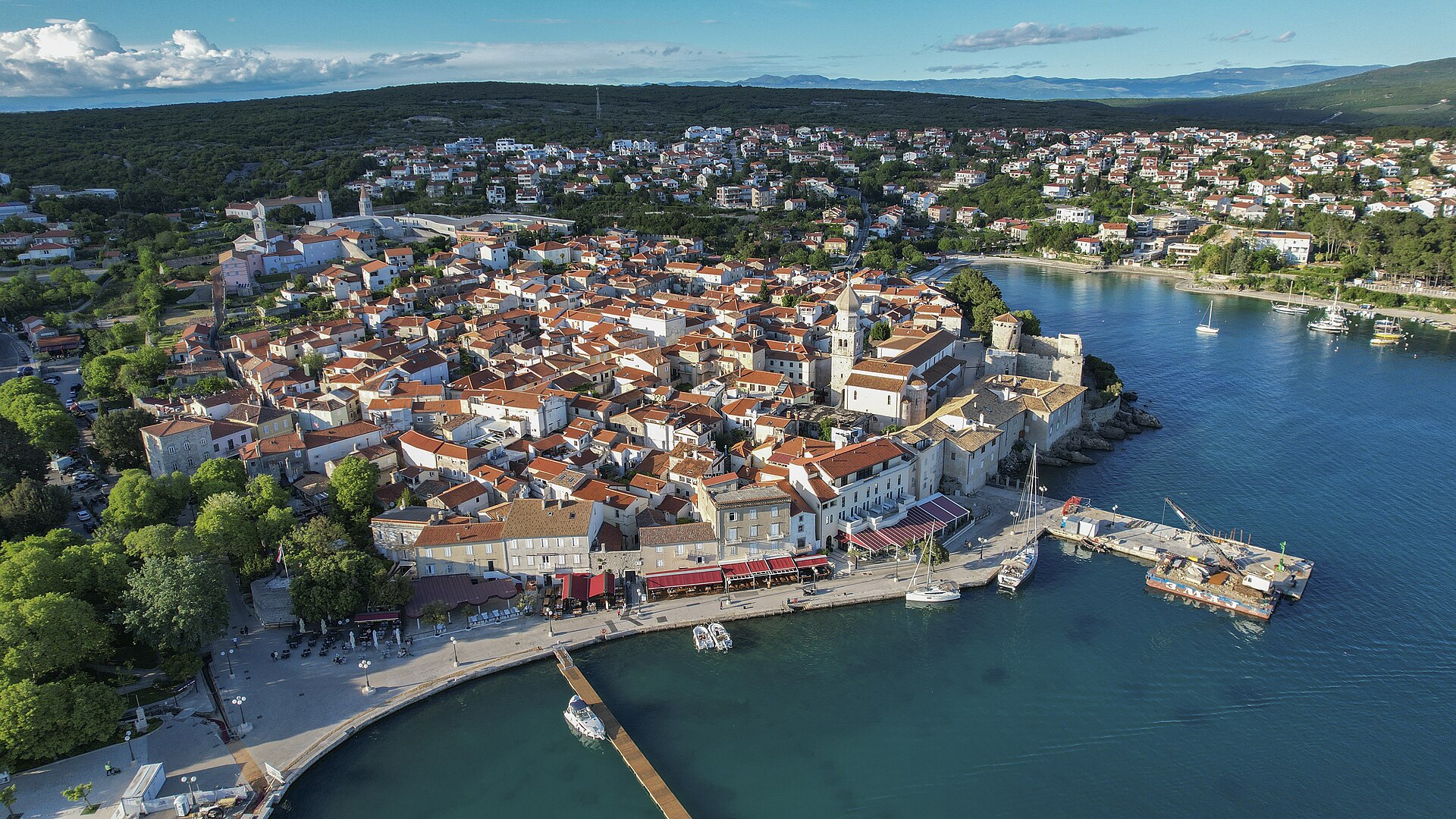
Dalmatian was a Romance language — a cousin of Italian and Romanian — spoken along the Adriatic coast and on its islands. For centuries it was squeezed between the Venetian Italian of the towns and the Croatian of the hinterland, and it lost ground steadily until it survived only on the island of Krk, in the speech of a few old people.
The last of them was Tuone Udaina — Antonio Udina in Italian, known as Burbur — and he is one of the more poignant figures in this museum. He was not a true native speaker: he had learned the language by overhearing his parents, had not used it in daily life for decades, and was deaf by the end. Linguists hurried to record what he could remember. Then, on 10 June 1898, he was killed by an explosion set off during road construction — unable, deaf, to hear the blast coming. The language died with the man who had only half-remembered it.
Worth remembering
- Almost everything scholars know of Dalmatian comes from interviews with its last speaker, who had learned it only by overhearing his parents.
- It was a Romance language of the Adriatic coast, a cousin of Italian and Romanian that left its fingerprints on local Croatian dialects.
Gallery
Sources
- Dalmatian Romance language; last speaker Tuone Udaina died 1898 in an explosion Wikipedia
- Tuone Udaina (Antonio Udina), last speaker, killed by a road-construction explosion Wikipedia
- Dalmatian was an extinct Romance language spoken along the Dalmatian coast from the island of Veglia (modern Krk) to Ragusa (Dubrovnik); the Vegliot dialect became extinct in the 19th century when its last speaker died. Encyclopaedia Britannica
- Antonio Udina (Tuone Udaina) was 'blown up by a land mine in 1898' and was the main — and effectively the last — source of knowledge for the Vegliot Dalmatian dialect. Encyclopaedia Britannica
A graveyard tradition: leave a stone to show you came, and remembered.