The Obituary
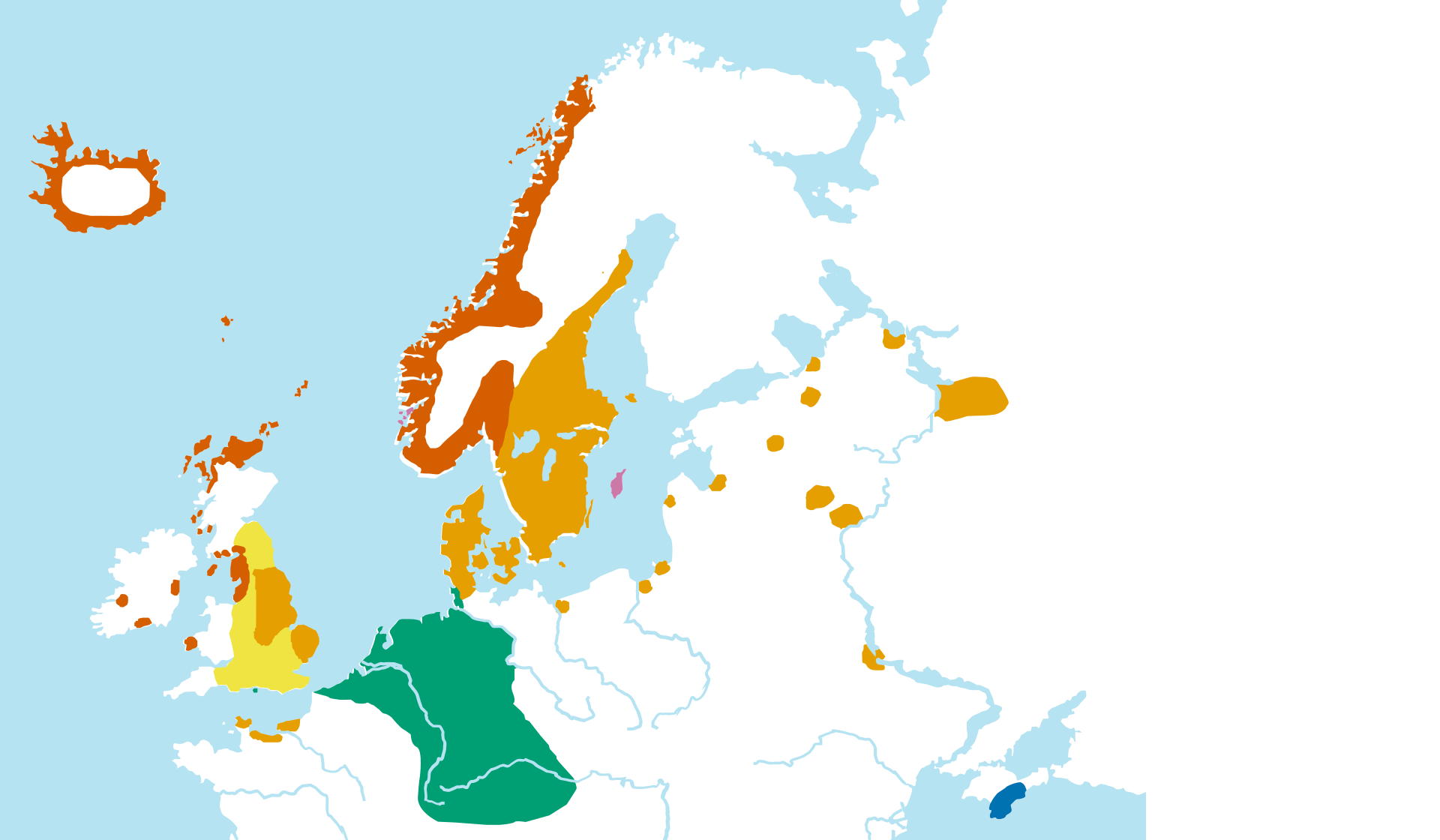
Crimean Gothic was an East Germanic language spoken by descendants of the Goths who settled in Crimea, surviving in that remote corner long after Gothic had died out across the rest of Europe. Almost everything known about it comes from the Flemish diplomat Ogier Ghiselin de Busbecq, who in the 1560s met two men from Crimea in Constantinople and recorded around eighty words and a song. The language is thought to have died out by the 18th or 19th century, absorbed by the Crimean Tatar and other peoples around it.
Worth remembering
- Nearly all that survives is a list of about 80 words written down by a Flemish ambassador in Constantinople in the 1560s.
- It is the only Germanic language attested to have survived in the Crimea, a Gothic remnant after a millennium.
Sources
- Crimean Gothic was an East Germanic language spoken in Crimea, surviving long after other Gothic dialects, attested mainly by Ogier Ghiselin de Busbecq. Wikipedia
- The Flemish diplomat Busbecq recorded about 80 Crimean Gothic words and a song in the 1560s. Wikipedia
- Gothic survived among the Goths of Crimea long after it had died out in Spain and Italy; in 1560–62 the Habsburg diplomat Busbecq collected a word list from Crimean Goths showing their speech was still recognizably a form of Gothic. Encyclopaedia Britannica
- Busbecq, serving as Habsburg ambassador in Constantinople, met two envoys from Crimea and recorded the first known word list of the Gothic variety still spoken there, including it in one of his diplomatic letters. Encyclopaedia Britannica
A graveyard tradition: leave a stone to show you came, and remembered.