
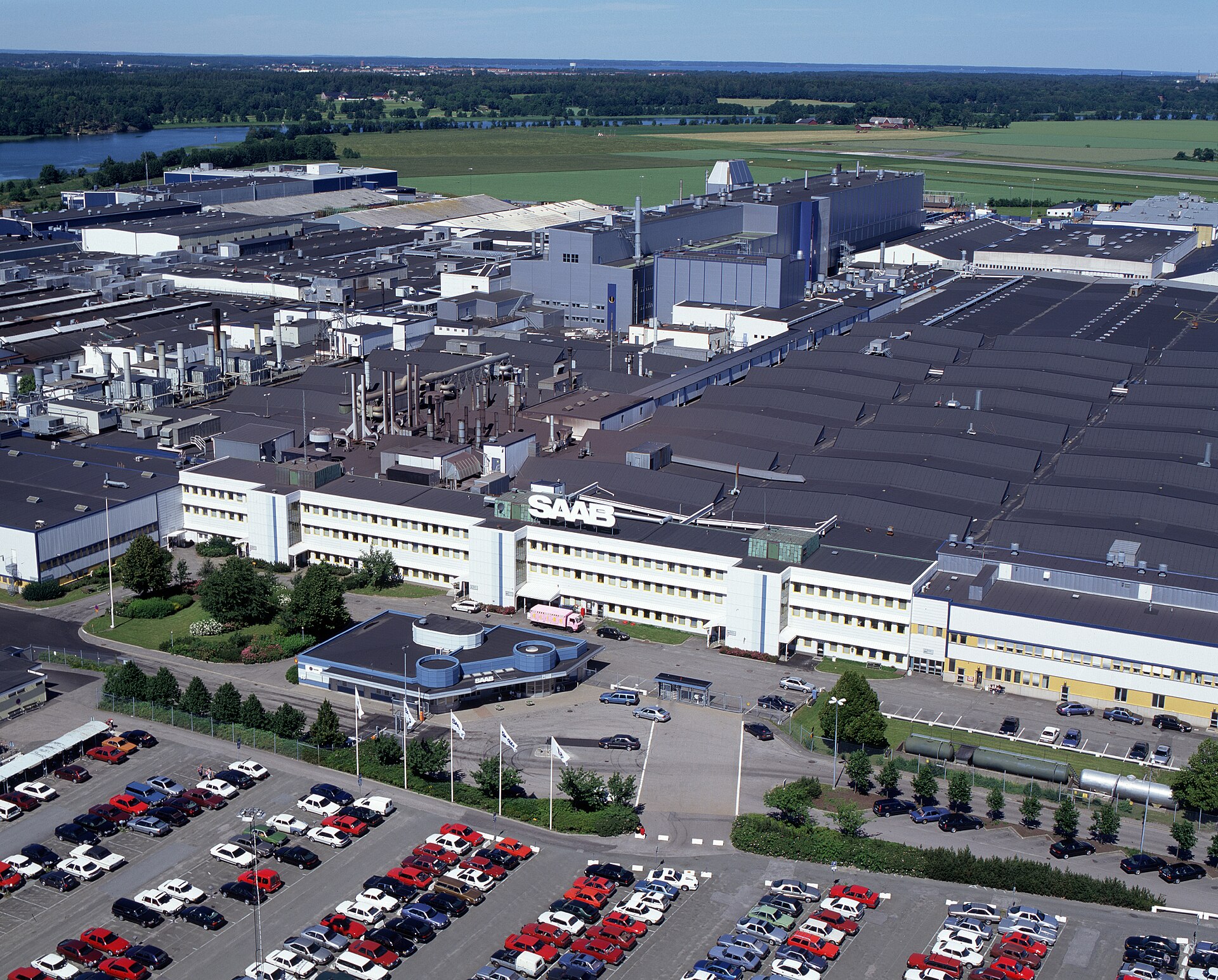
Saab Automobile was created in 1945 in Trollhattan, Sweden as the car-making arm of a Swedish aerospace company. The two shared a name and an engineering culture but were always legally separate, and Saab AB — the defence and aerospace group — outlived the carmaker and operates to this day. The car division built its reputation on safety, unconventional design and the turbocharged engines it brought to ordinary buyers in the late 1970s. Production peaked at 134,112 cars in 1987, and the Saab 900 alone sold close to a million.
General Motors took a half stake in 1990 and full ownership in 2000, steadily hollowing out the brand by rebadging GM platforms as Saabs. By the late 2000s the company was losing money fast. A sale to Koenigsegg fell through in 2009; Spyker bought the brand in 2010 but could not stabilise it; a last deal with Chinese investors collapsed when GM refused to license its technology to the buyers. Saab Automobile filed for bankruptcy on 19 December 2011. NEVS bought the assets in 2012, lost the Saab name in 2014, and itself wound down later.
Worth remembering
- Saab made seatbelts standard on the GT 750 in 1958, years before most governments required them, and the 1978 Saab 99 Turbo was among the first mass-market cars to use turbocharging for performance rather than towing.
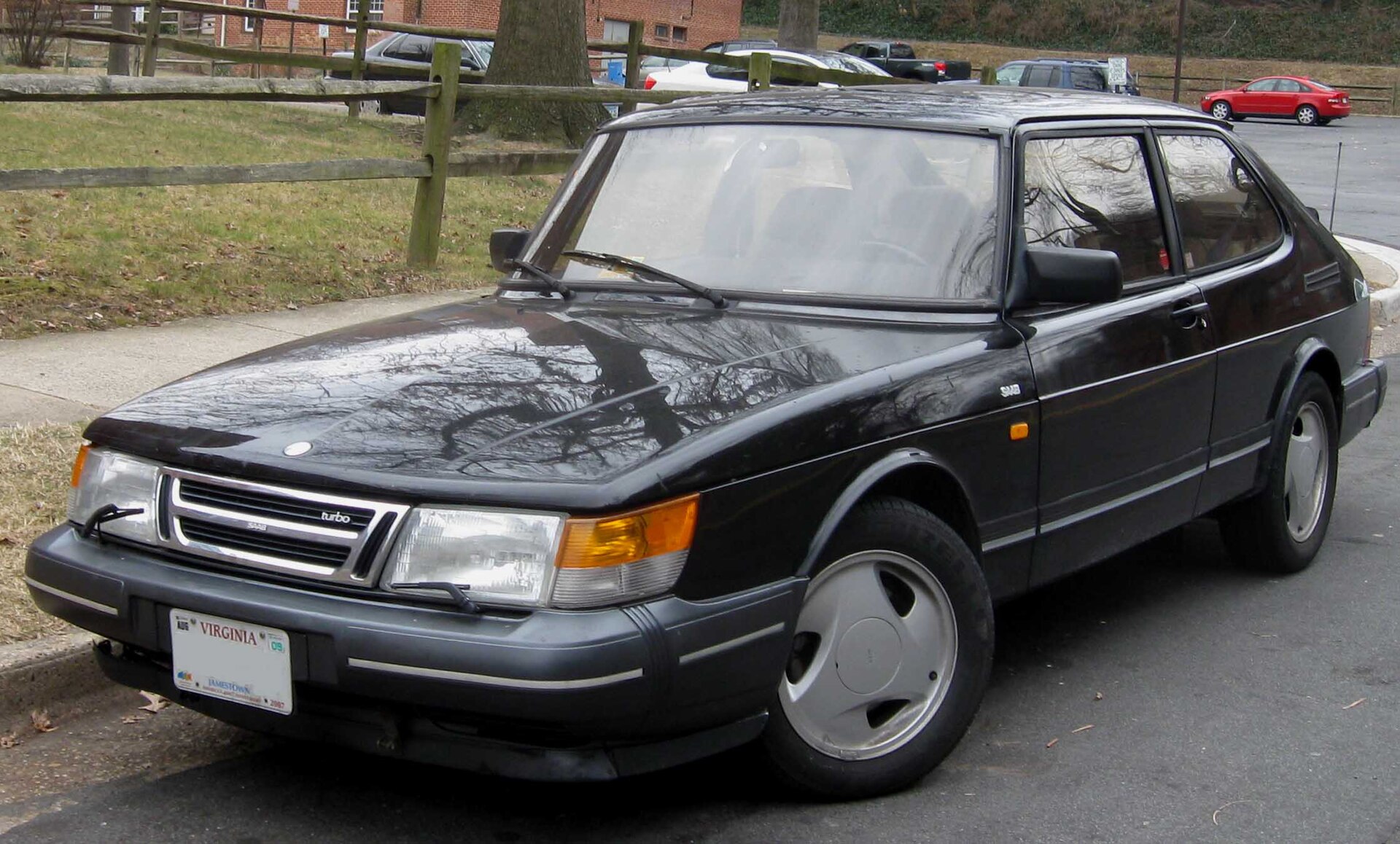
- The Saab 900, built from 1978 to 1994, sold close to a million units and became the car most associated with a particular Scandinavian engineering seriousness — a quirky hatchback beloved by architects and academics.
Gallery
Sources
- Saab Automobile filed for bankruptcy on 19 December 2011; NEVS bought the assets in 2012 but lost rights to the Saab trademark in 2014, while Saab AB (aerospace/defence) remains a separate, operating company. Wikipedia
- Saab fitted seatbelts as standard equipment in 1958, ahead of most competitors, and the 1978 Saab 99 Turbo helped bring turbocharging to mass-market cars for performance. Encyclopaedia Britannica
- General Motors took full ownership of Saab in 2000; rescue attempts by Koenigsegg (2009) and Spyker (2010-2011) failed, and GM's refusal to license its technology to Chinese buyers blocked the final deals before the 2011 bankruptcy. Wikipedia
A graveyard tradition: leave a stone to show you came, and remembered.