
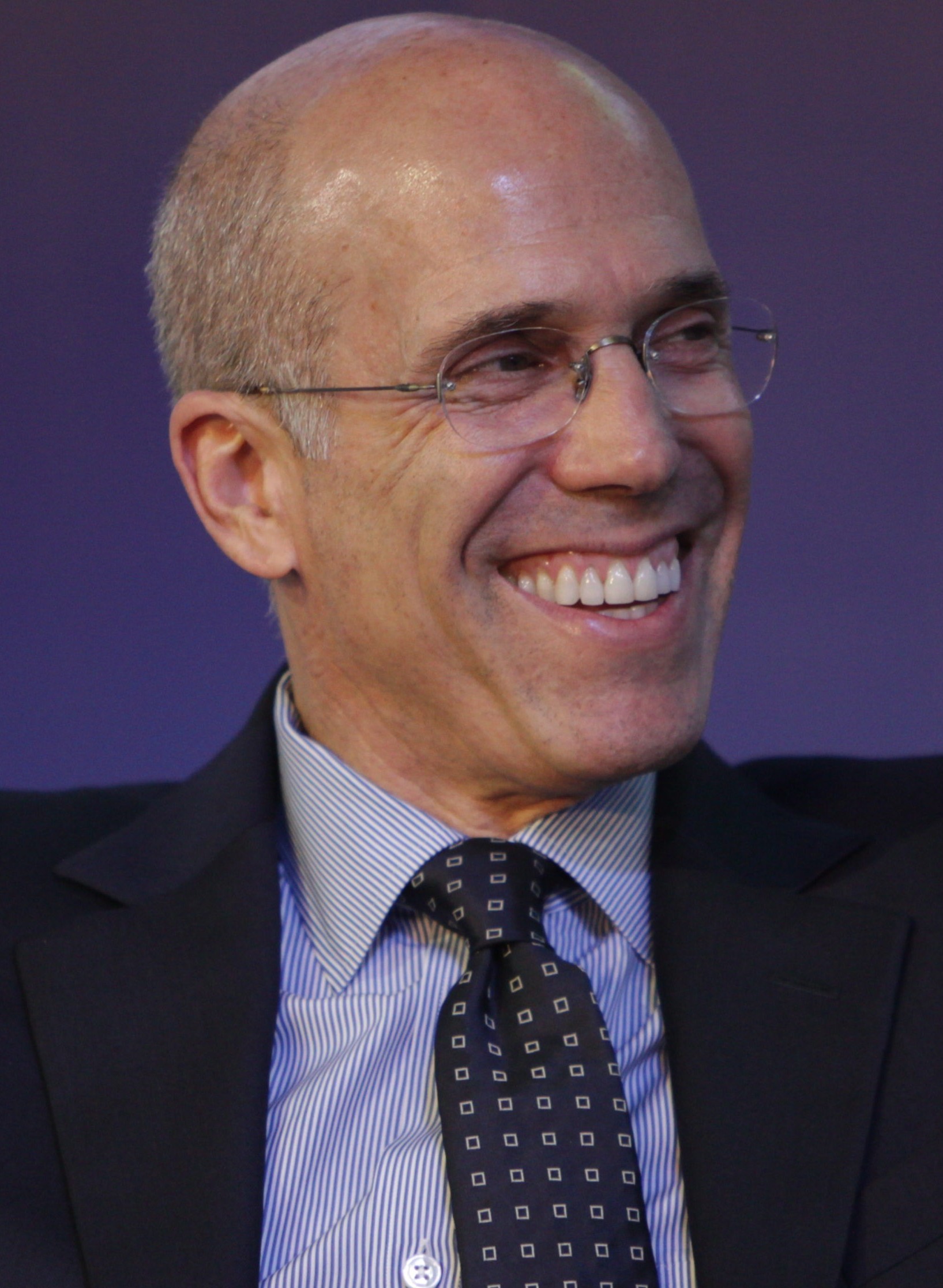
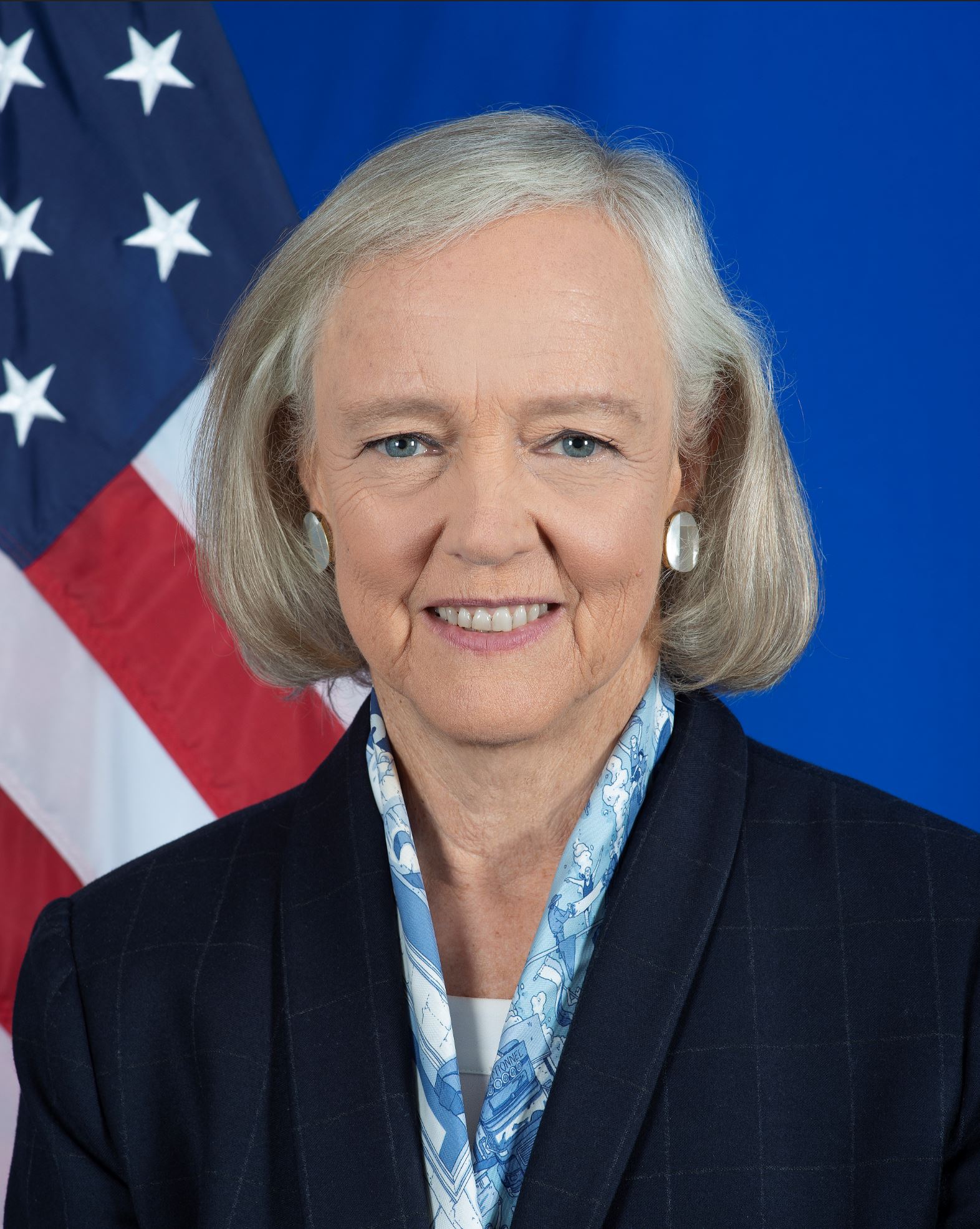
Quibi was conceived by Jeffrey Katzenberg and run by CEO Meg Whitman as a mobile-only streaming service built around episodes of ten minutes or less. The pitch was that commuters and people waiting in queues would pay $5 to $8 a month for professionally made short-form shows. It raised $1.75 billion before launch, spent more than $1 billion commissioning over 175 series, and went live on 6 April 2020 — two weeks after most of the United States went into pandemic lockdown. The commuters it was built for were stuck at home, watching big screens.
The service never found its audience. Apps were installed a few million times, but paying subscribers sat around 500,000 by the time the shutdown was announced on 21 October 2020, against a first-year target of 7.4 million. A mobile-only restriction, a paywall competing with free YouTube and TikTok, and the collapse of the commuting use case left the core idea unworkable. Quibi closed on 1 December 2020. Roku bought the library for under $100 million the following January.
Worth remembering
- Quibi built 'Turnstyle', a format that automatically reframed video between vertical and horizontal as the phone was rotated; it won an Emmy for advanced media technology in 2020, months before the service closed.
- Quibi shows won Emmys even as the platform failed — evidence that its problem was the product, not the programming.
Gallery
Sources
- Quibi was founded in 2018 as NewTV, launched on 6 April 2020, raised $1.75 billion, and shut down on 1 December 2020 with roughly 500,000 subscribers. Wikipedia
- Quibi spent over $1 billion commissioning more than 175 shows; its content library was sold to Roku for under $100 million in January 2021 and relaunched as Roku Originals. Wikipedia
- Quibi was a mobile short-form video service launched in April 2020 by Jeffrey Katzenberg and CEO Meg Whitman that shut down later that year after failing to attract enough subscribers. Encyclopaedia Britannica
A graveyard tradition: leave a stone to show you came, and remembered.