
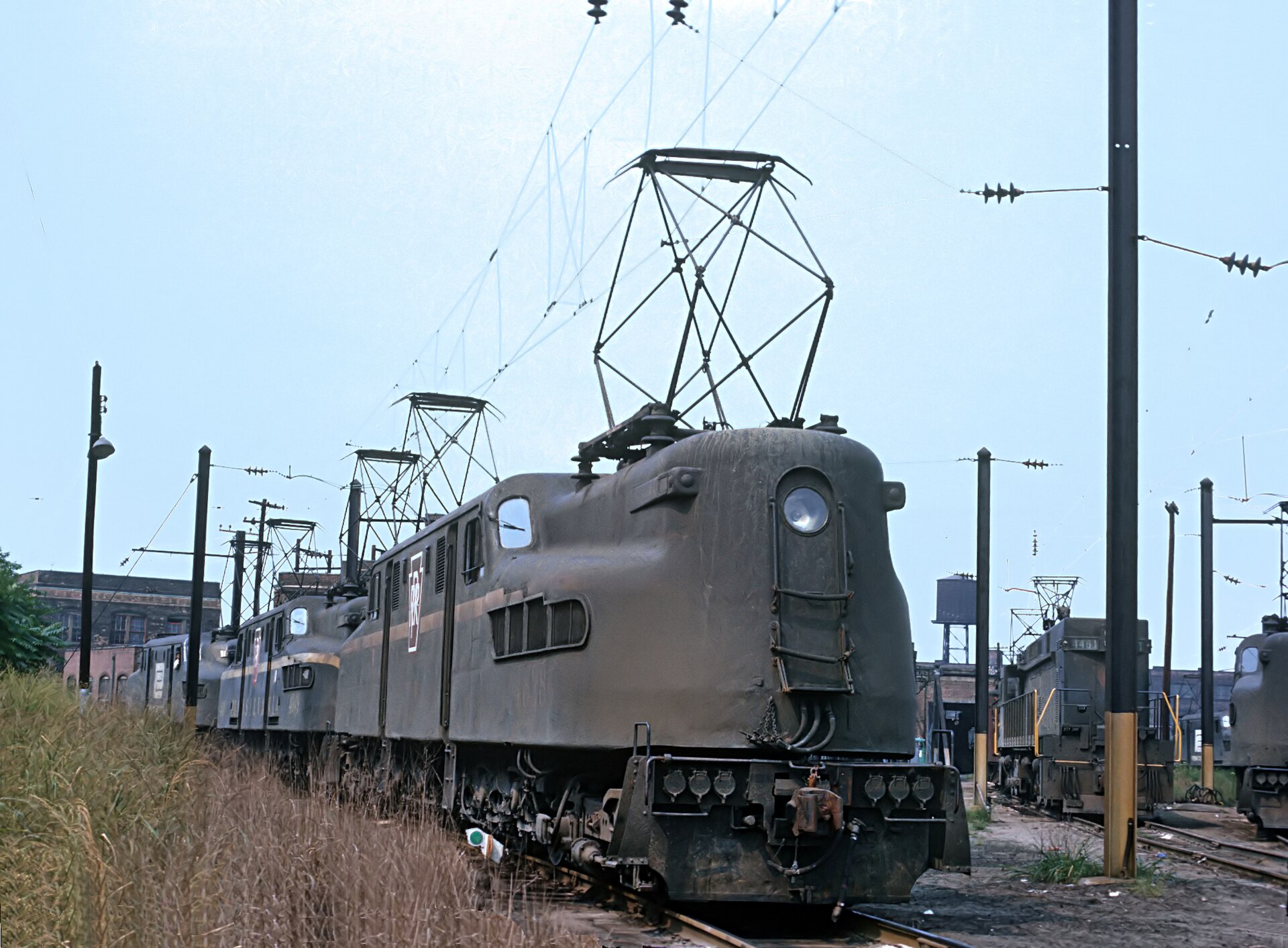
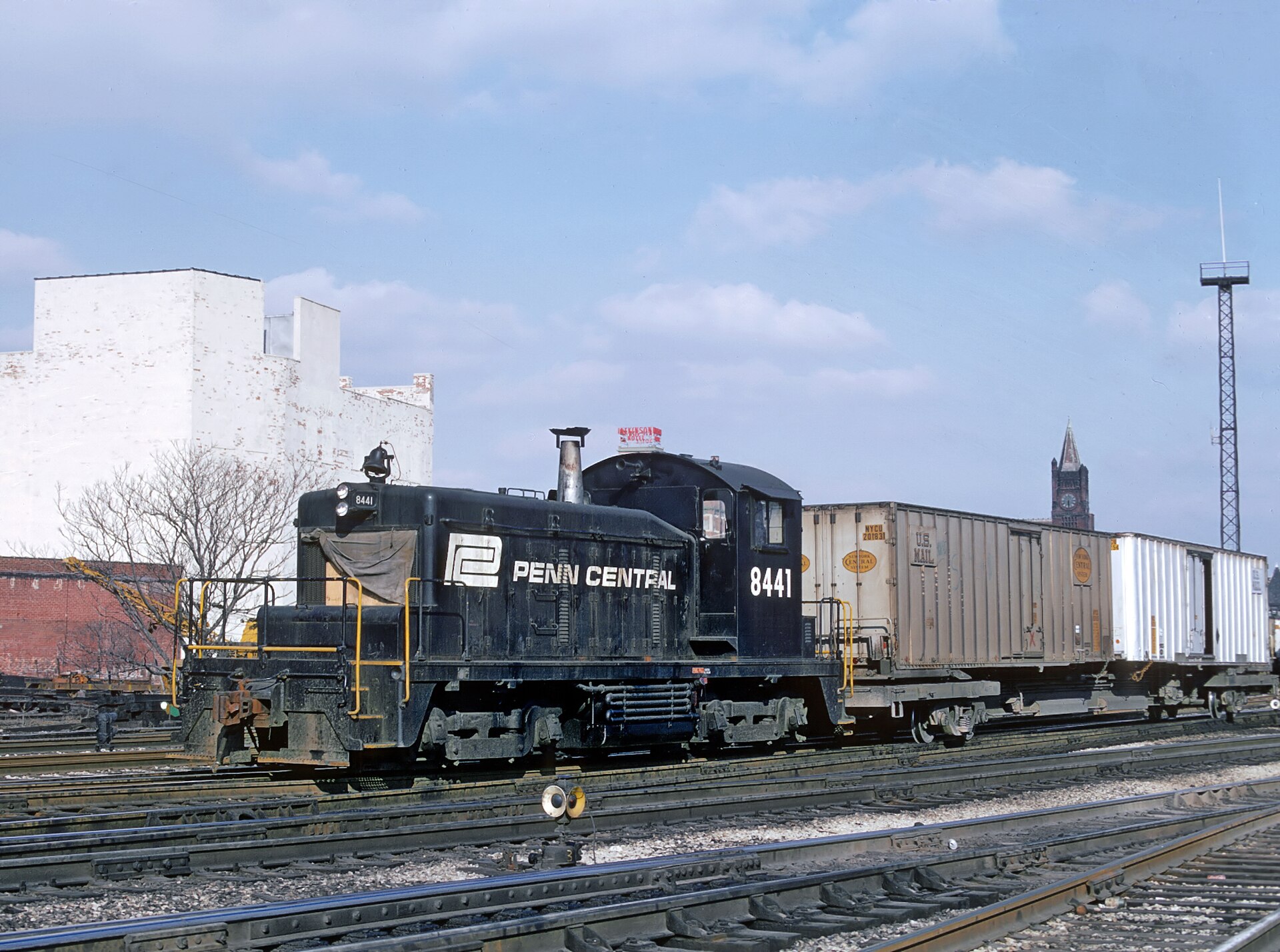
Penn Central was assembled from two of America’s oldest railroads — the Pennsylvania, founded 1846, and the New York Central, founded 1853. When they merged in February 1968 the new company controlled more than 20,000 miles of track and was the sixth-largest corporation in the country. The logic was that combining overlapping northeastern networks would create huge efficiencies. Instead, incompatible computer systems, conflicting union contracts and warfare between former rivals produced operational chaos within months; freight cars went missing for weeks.
By late 1969 the company was losing money faster than it could hide. In early 1970, with debt maturing and quarterly losses above $100 million, the board ran out of options. On 21 June 1970 — 871 days after the first trains ran under the Penn Central name — it filed for bankruptcy, the largest in US corporate history at the time. Federal intervention followed: under the Regional Rail Reorganization Act of 1973, the federally owned Conrail absorbed Penn Central’s rail operations on 1 April 1976.
Worth remembering
- The 1968 merger joined the Pennsylvania Railroad and the New York Central — two fierce century-old rivals — in the largest railroad merger the United States had ever seen, with track from Chicago to New York.
- The combined company's clashing computer systems, union contracts and rival managements produced operational chaos within months; cars and whole trains were repeatedly lost in the network.
Gallery
Sources
- Penn Central filed for bankruptcy on 21 June 1970, then the largest corporate insolvency in US history, formed from a 1968 merger of the Pennsylvania Railroad and New York Central. Wikipedia
- It was the sixth-largest US corporation at filing; the bankruptcy was the largest in US history until Texaco in 1987. Wikipedia
- Under the Regional Rail Reorganization Act of 1973, Penn Central's viable rail operations transferred to the federally owned Conrail on 1 April 1976. Encyclopaedia Britannica
A graveyard tradition: leave a stone to show you came, and remembered.