British Leyland Motor Corporation Ltd · Rover Group
1968 CE1986 CE
A patriotic 1968 merger of nearly every British carmaker — Austin, Morris, Jaguar, Triumph, and Mini — nationalised in 1975 and a byword for strikes, bad cars, and decline.
Born
1968 CE
Died
1986 CE
Lived
18 years
Dead for
40 yrs
At its peak
~40% of UK car market; owned most British marques
Cause of death
Replaced
Replaced by
Rover Group (later broken up; MG, Mini, Jaguar, Land Rover dispersed)
The Obituary
British Leyland was created in 1968 by merging British Motor Holdings and Leyland Motors, bringing nearly every British volume carmaker under one roof, from Austin and Morris to Jaguar, Rover, Triumph, and Mini. The unwieldy combine was beset by overlapping models, militant labour disputes, and poor build quality. Mounting losses led to nationalisation in 1975. Despite government money and the modestly successful Metro and Mini, it kept shrinking. In 1986 it was renamed the Rover Group, ending the British Leyland name. Its surviving marques were later sold off piecemeal to BMW, Ford, and others.
Worth remembering
It once held around 40% of the British car market and owned Austin, Morris, Jaguar, Rover, Triumph, and Mini.
Chronic strikes and poor build quality made it a national symbol of British industrial malaise in the 1970s.
Gallery
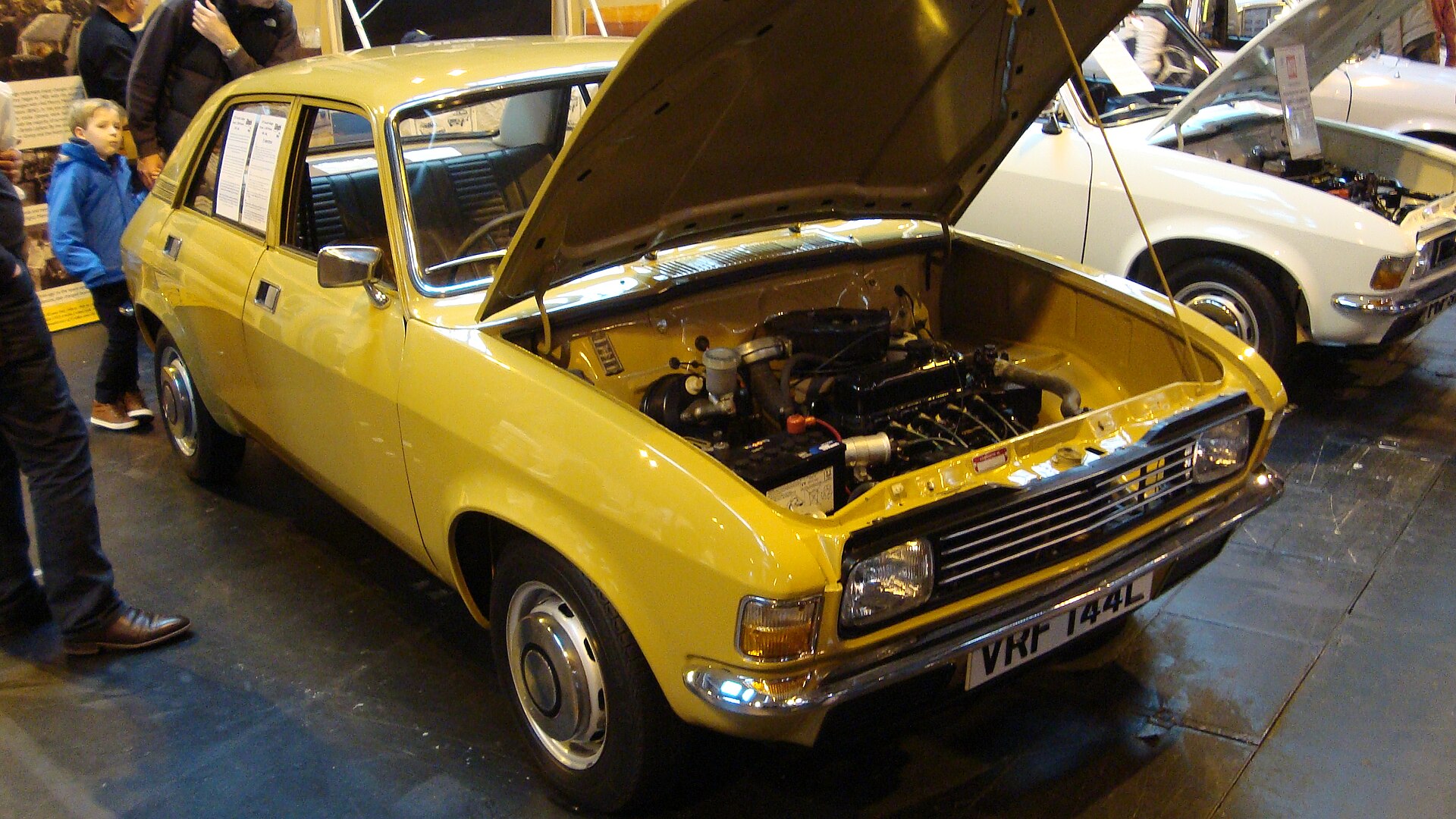
British Leyland Austin Allegro 1300 DL, 1973Kieran White from Manchester, England · CC BY 2.0
Sources
British Leyland was formed in 1968, nationalised in 1975, and renamed the Rover Group in 1986 Wikipedia
British Leyland was plagued by labour disputes and quality problems and required government rescue BBC News
British Leyland, formed by a 1968 merger that united Austin, Morris, Jaguar, Rover and Triumph, was nationalised in 1975 amid mounting losses and labour disputes and was progressively broken apart over the following decades. Encyclopaedia Britannica
A graveyard tradition: leave a stone to show you came, and remembered.
Buried nearby — by shared fate or a neighbouring lifespan.